New Chinese cars redefine the value of used combustion vehicles in the Brazilian market
Read more
AutoPapo
autopapo.com.br

New Chinese cars redefine the value of used combustion vehicles in the Brazilian market

With the entry of Chinese manufacturers into the Brazilian automotive market, a significant change is observed in how the value of used combustion vehicles is perceived. Consumers who bought combustion SUVs a few years ago may now have a direct competitor in a brand new Chinese car when trying to resell their vehicle.

This movement gained momentum in 2023 with the introduction of models like the BYD Dolphin and GWM Haval H6, and intensified between 2024 and 2025 due to continuous launches and price competitiveness. In 2026, the Chinese influence is already noticeable: according to Bright Consulting, these brands accounted for 21.4% of light vehicle registrations in September, more than double the participation recorded the previous year, transforming a mere purchasing alternative into a factor influencing the entire sector's dynamic.

The price dispute in the mid-range

Competition is particularly visible in the price range between R$ 100 thousand and R$ 150 thousand. A buyer interested in a used combustion SUV with two or three years of use can find, within the same budget, an entry-level Chinese electric car, such as the BYD Dolphin Mini. Despite differences in size and purpose, these vehicles begin to compete for the attention of the same consumer, which explains the pressure exerted on the values of used SUVs in this category.

Although some customers prioritize the space and versatility of a traditional SUV, others opt for a new vehicle, which offers embedded technology, factory warranty, and after-sales support, even if they give up a larger body. Thus, market comparison transcends similar models, starting to involve the benefits of distinct categories, requiring a new analysis of cost-benefit in the used segment.

Impact on pricing and challenges for retailers

The main impact of this competition lies in price formation. Historically, the brand-new vehicle served as a crucial reference for the value of a used one. However, when Chinese manufacturers offer discounts, bonuses, or more advantageous financing conditions, this reference is altered, pressuring the depreciation of combustion models and consequently lowering the value of used ones.

For merchants, the challenge is amplified, as a car acquired for stock may need a price reduction to remain competitive, directly affecting profit margins. Data provided by IBV Auto, from Banco BV, indicates that combustion vehicles comparable to those electrified in 2023 suffered a depreciation of 22.2% by September 2026. It should be noted that this drop is not exclusive to Chinese brands, as electric and hybrid vehicles also registered even greater losses in this survey, demonstrating that the pressure on resale value affects various technologies.

Retail adaptation and manufacturer reaction

The current scenario imposes on retail the need to manage inventory with greater rigor. The liquidity and price of the same model can vary regionally, depending on local supply and demand, suggesting that pricing must go beyond traditional references, using updated data, artificial intelligence, and behavioral analysis to optimize sales and profitability.

Established manufacturers are also responding to this dynamic, either through more attractive commercial offers or by investing in equipment updates and electrification. Hybridization projects with flex technology, such as those developed by Stellantis, illustrate the search for solutions suitable for the Brazilian market. However, there is an additional risk in this dispute: preserving the residual value of the vehicles. Very aggressive discounts can boost short-term new car sales but can also distort the price reference for those who already own a car of that brand.

Future prospects of the automotive market

Looking ahead to the coming years, it is expected that the competition will gain new layers. The production of Chinese vehicles in Camaçari, Bahia, and Iracemápolis, São Paulo, adds an important variable related to the recomposition of import taxes. Simultaneously, the recently introduced electric and hybrid vehicles in Brazil are consolidating a broader used market. With potentially lower prices, these models will compete directly with used combustion vehicles, expanding the rivalry beyond new electric models.

This moment is seen as a phase of maturation for the Brazilian market. Combustion vehicles will maintain their relevance, but their competitive capacity will depend less on brand tradition. For buyers and sellers, possessing reliable information about prices, history, maintenance, and vehicle conditions will be essential for more transparent and secure negotiations. Ultimately, the value of a used car will be determined not only by its condition when leaving the dealership but also by the vehicles it will have to compete against at the time of sale.
Similar stories

Geely launches methanol hybrid sedan in China as fuel faces legal issues in Brazil
Read more
autopapo.com.br

Geely launches methanol hybrid sedan in China as fuel faces legal issues in Brazil

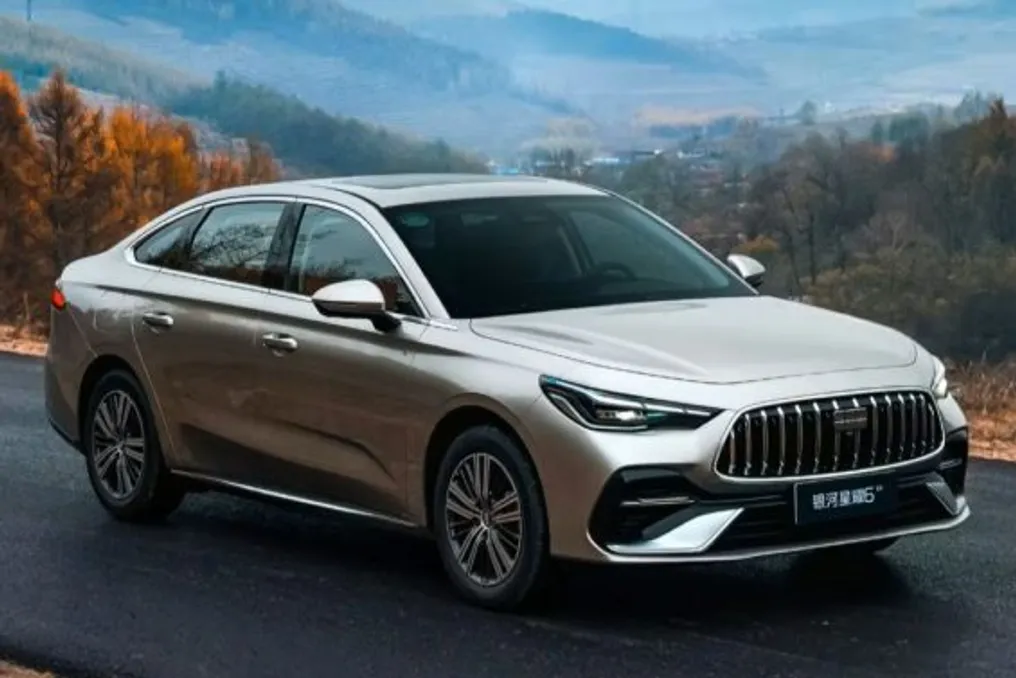
The Chinese manufacturer Geely presented the Xingyao 6 EF model in China on Tuesday, the 3rd. This hybrid sedan has the capability to operate using methanol, gasoline, or electricity.

According to the automaker itself, this represents the first globally manufactured methanol hybrid passenger vehicle. The two liquid fuels can be used in any proportion within the same tank, similar to the operation of Brazilian flex-fuel cars that use ethanol and gasoline.

The system features a sensor that monitors the methanol concentration in real-time, allowing the electronic control unit to adjust injection and ignition according to the mixture used. The engine achieves a thermal efficiency of 48.15%, meaning almost half of the fuel's energy is converted into motion. Geely states that this is the highest index among mass-produced methanol engines.

Thanks to 350 bar direct injection and high-power ignition, the vehicle can start combustion even at temperatures as low as -40°C. In the Chinese CLTC cycle, considered more optimistic than the INMETRO's, the sedan travels 230 km using only electric power. With a fully charged battery, the total range reaches 1,250 km using methanol in a full tank, and 1,880 km when fueled with gasoline. This energy difference is due to chemical composition, as one liter of methanol contains approximately half the energy of one liter of gasoline.

The dimensions of the Xingyao 6 EF are 4.8 meters in length and 2.76 meters in wheelbase. Methanol, also known as methyl alcohol, has characteristics similar to ethanol because it is liquid at room temperature. It can be stored, transported, and refueled comparably to gasoline, requiring a simpler infrastructure than that needed for hydrogen.

In China, interest in this fuel has a strategic character. The country has scarce petroleum resources but possesses an abundance of coal, which is the primary raw material for Chinese methanol, making China the world's largest producer of this fuel. In the city of Guiyang, located in the south of the country, over 90% of taxis operate on methanol, according to data provided by Geely.

Another motivating factor for Geely is the climate. During winter in northern China, electric vehicles suffer a significant loss of autonomy, and the methanol hybrid model offers a solution to this challenge.

Additionally, there is an environmental perspective involved. Geely, which has been researching methanol since 2005, is investing in the concept of green methanol. This is produced from captured carbon dioxide (CO2) and hydrogen generated through renewable energy sources. The brand reported developing a system capable of capturing carbon from the exhaust to reuse it in the fuel production process.

In contrast, in Brazil, methanol gained notoriety for different reasons. In 2025, Operation Hidden Carbon exposed a criminal scheme that diverted more than 10 million liters of methanol with the intent of adulterating gasoline and ethanol at stations linked to the PCC. In some of these locations, the methanol proportion reached 50% of the mixture, drastically exceeding the limit established by the National Agency of Petroleum, Natural Gas and Biofuels (ANP), which is only 0.5%.

In the same year, the consumption of counterfeit beverages containing methanol resulted in 76 confirmed cases of intoxication and 25 deaths nationwide, according to data from the Ministry of Health. This occurs because methanol is considerably more toxic than ethanol and cannot be distinguished from it by smell or taste. Even small ingestions can cause blindness and death, in addition to the substance being able to be absorbed through the skin and respiratory tract.

Handling methanol requires additional precautions: its flame is almost imperceptible under daylight, making fire detection difficult, and the liquid has corrosive properties for rubbers and certain metals, necessitating specific components in the fuel supply system.

Geely, which has a stake in Renault's operation in Brazil, has not disclosed plans to commercialize the Xingyao 6 EF in the Brazilian market.

Five categories of vehicles in Brazil that will resist replacement by Chinese models
Read more
autopapo.com.br

Five categories of vehicles in Brazil that will resist replacement by Chinese models

The Brazilian automotive market has its own characteristics. Although Chinese electrified vehicles are gaining ground in more common segments, such as SUVs, hatchbacks, and sedans, there are still niches where established brands maintain dominance and models that lack direct competitors.

Some of these Brazilian segments are quite specific, depending on local projects, or are areas of less interest for Chinese manufacturers. Below, five types of cars that are unlikely to be overtaken in the country are detailed.

Minivans and tradition

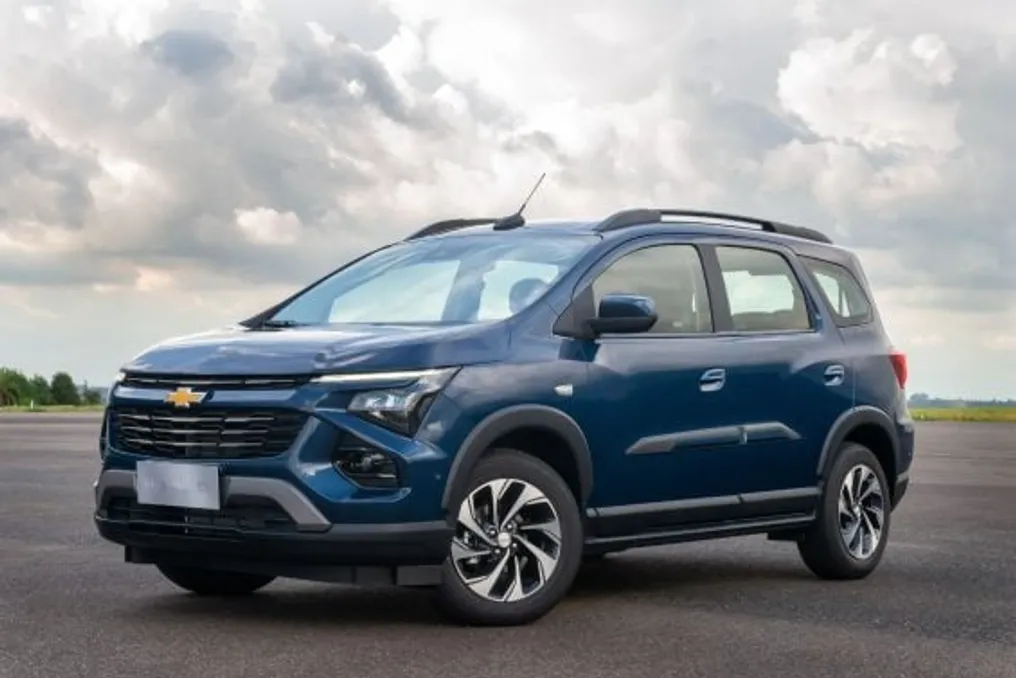
Chevrolet renewed its entire passenger car line using new platforms and three-cylinder engines. However, the Spin minivan remains a strong point from the previous generation, maintaining its Gamma II architecture and the 1.8 Family 1 engine.

Despite being an older model, the Spin received a major update in 2024, incorporating six airbags, active safety assistance systems, greater connectivity, and other modernizations. The automaker itself justified this maintenance with internal data, indicating that the minivan audience is the most loyal within the company.

This vehicle is popular among taxi drivers, large families, ride-share drivers, tourism professionals, bidding agencies, and corporate fleets. The Family 1 engine is known for its durability and low maintenance cost, having been present in the Brazilian market since the introduction of the Corsa in 1994.

Stellantis tried to compete with the Spin through the Citroën Aircross, which offers seven seats and comparable prices. However, the model's simplicity, the absence of a manual transmission, the use of a turbo engine, and the limited presence of the brand in the national territory were unfavorable factors.

Although there are compact and simple minivans manufactured by Chinese companies, such as the Wuling Hongguang (sold as Chevrolet in certain markets), this model is considered more basic than the Spin and is primarily focused on Asian markets.

Compact Pickups and the Italian legacy

The Fiat Strada has held the title of best-selling car in Brazil for several years. This segment of compact pickups was conceived in Brazil by the Italian manufacturer, with the launch of the 147 Pick-up in 1979.

The main challenge to Strada's leadership does not come from Chinese brands, but rather from the Volkswagen Tukan. The German automaker replicated crucial elements of Fiat's success, such as the rear suspension with semi-elliptic springs and the availability of a naturally aspirated engine as an entry option.

BYD is preparing the launch of the Mako, an intermediate pickup derived from an SUV, aiming to compete with the Fiat Toro. Furthermore, there is information that the Chinese company is developing a rival for the Strada, but in this entry-level segment, simple work-oriented models are still highly valued.

An electrified compact Chinese pickup would have a limited impact, affecting at most the Chevrolet Montana.

Compact SUVs and distinct proposals

Currently, there are options for compact Chinese SUVs available in Brazil, including the GAC GS3, Caoa Chery Tiggo 5X, BYD Atto 2, and GWM Ora 5. These models have generated significant competition for traditional brand vehicles in retail, betting on embedded technology to gain market share.

The Renault Duster also falls into the compact SUV category but operates with a different proposal. It resembles a classic utility vehicle, characterized by its high ground clearance, durable suspension, uncomplicated mechanics, and large trunk.

This configuration has made it one of the most popular vehicles used as police patrol cars in Brazil. Stellantis tries to capture part of this audience with the Citroën Aircross, but Chinese brands do not come close to developing an SUV as simple as the Duster.

Mid-size Pickups and American dominance

Chinese brands are entering the mid-size pickup market, with GWM, JAC, and Foton adopting the traditional approach by launching models equipped with diesel engines. However, there is an upper range explored exclusively by North American manufacturers: large trucks.

Specifically, we are talking about robust vehicles with diesel engines and a gross weight exceeding 3.5 tons. In Brazil, only Ram explores this category with its 2500 and 3500 models.

These pickups are highly appreciated by the agricultural sector and attract an audience divided between those seeking ostentation and real users who employ the Ram to tow trailers, often pulled by horses.

The largest Chinese trucks in the global scene are classified as mid-size; some are hybrid and exceed 400 hp, but none possess the operational capabilities of a Ram 3500.

Sports Cars and the preference for classic experiences

Although modest, Ford registered the sale of 858 Mustangs in Brazil in 2025. When the company announced the importation of 200 units with a manual transmission, they sold out quickly.

There is a dedicated public for sports cars in Brazil; the Mustang had notable sales through independent importers before Ford began official distribution. With the discontinuation of the Chevrolet Camaro production, the pony car's position has become even more favorable.

Consumers are aware that, for a much lower cost, there are Chinese electric cars with over 400 hp and impressive acceleration. However, those seeking a sports car value other aspects, such as excellent dynamic balance, engine sound, and the entire sensory experience provided by driving such a vehicle.

Current Chinese brands focus on producing generalist electric cars that are also extremely fast. Their sports models are supercars with over 1,000 hp and equally high prices. On the other hand, enthusiasts continue to prefer the Ford Mustang, the BMW M2, the Porsche 911, and other automobiles with traditional characteristics.

Demand for CNG-powered cars is growing in the Indian market; Maruti and Tata lead
Read more
www.aajtak.in

Demand for CNG-powered cars is growing in the Indian market; Maruti and Tata lead

There is a growing demand for CNG-powered vehicles in the Indian market. In September, these vehicles accounted for 23.11 percent of total sales, making them the second most popular fuel after petrol in the passenger car segment. According to reports, 105,410 units were put into operation in September.

This figure demonstrates significant growth compared to last year: in September of last year, 83,357 CNG-powered cars were sold, which corresponds to a year-on-year increase of 26.5 percent.

Maruti Suzuki dominates this segment, selling the highest number of CNG vehicles. Hyundai is also actively increasing its market presence. Tata Motors ranks second in terms of CNG vehicle sales volume.

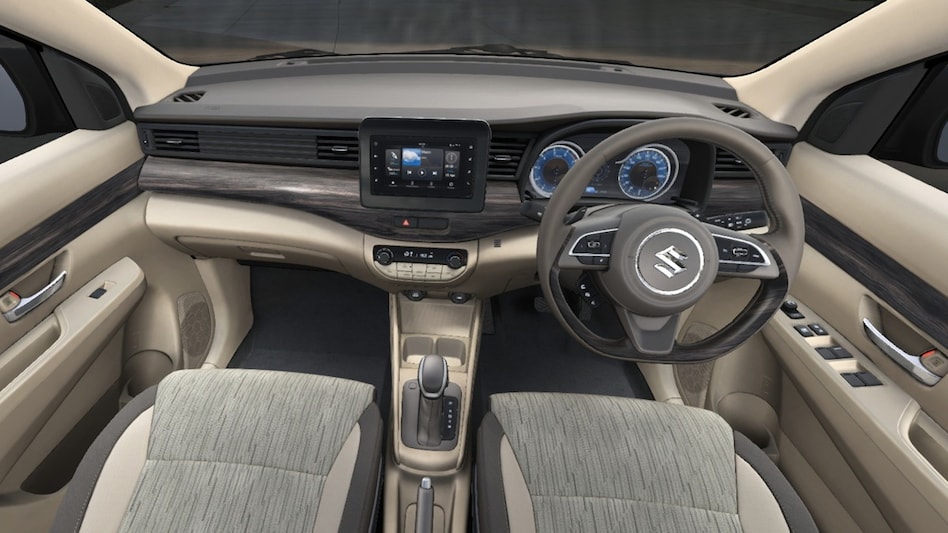
The Maruti Suzuki Ertiga CNG has become a bestseller in the CNG category due to its seven-seater variant. Besides it, the list of best-selling models includes the Dzire, Punch, Hyundai Aura, and Maruti Suzuki Vitto.

According to Auto पंडित्ज, the Maruti Suzuki Ertiga CNG topped sales, realizing 12,481 units in the CNG version. Maruti Suzuki Dzire took second place, selling 12,026 units, although its sales in September decreased by 4 percent compared to September of last year.

Third place in the list was held by the Maruti Suzuki WagonR, which sold 8,596 units in the CNG version. Tata Punch entered the top five, selling 8,473 units. Hyundai Aura is in fifth place, having sold 7,278 units in CNG.

Vitto showed the highest growth rate among CNG vehicles. Maruti Suzuki sold 7,216 units of this model in CNG, whereas only 1,449 units were sold in September of last year. Maruti Suzuki Brezza is also listed, having sold 7,214 units in CNG.

Tata Nexon became the eighth best-selling CNG car, selling 7,149 units in September. Maruti Suzuki Fronx sold 6,034 units in the CNG version, and Maruti Eco, despite being a van, made it into the top ten sellers, realizing 5,823 units in September.

Overall, Maruti Suzuki sold 69,780 CNG cars in September. Tata Motors ranked second with 20,171 CNG cars, Hyundai sold 11,908 units, and Toyota sold 3,551 CNG cars. It should be noted that this analysis only concerns factory CNG versions of cars, although other companies also offer such models.

Popular