Jizzakh Region Discussed Manpower Issues for Nuclear Power Plant Project
Read more
UzDaily
uzdaily.uz

Jizzakh Region Discussed Manpower Issues for Nuclear Power Plant Project

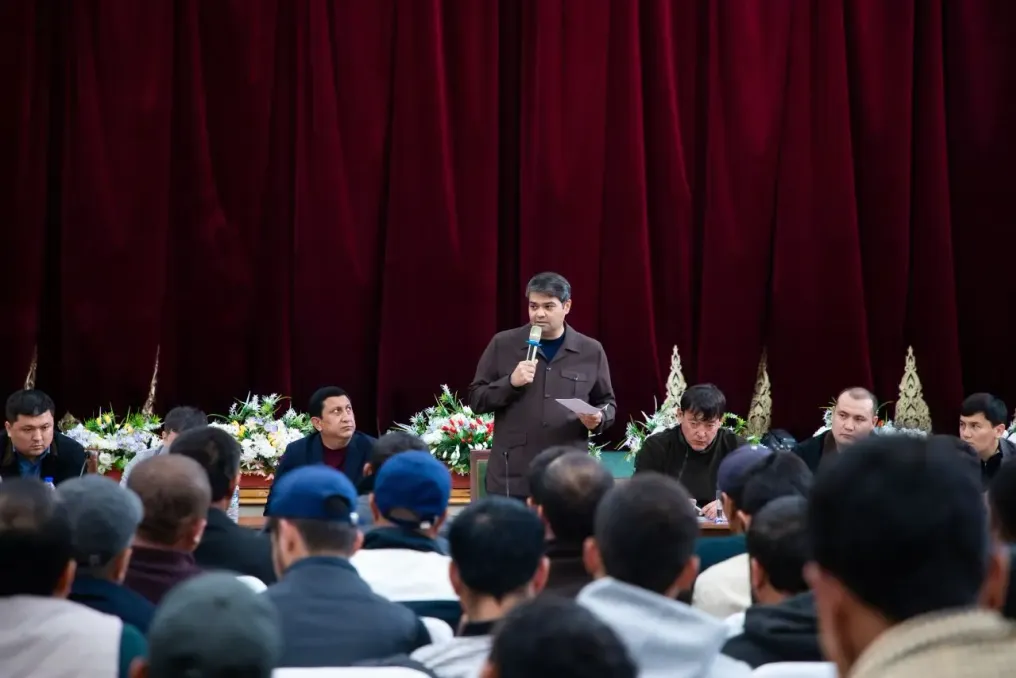
On November 6, an unscheduled public meeting was held in the village of Bogdan, located in the Fergana district of Jizzakh region, Uzbekistan. The event took place in a hybrid format and gathered about 500 people.

Azim Akhmedkhadzhayev, Director of the Atomic Energy Agency of Uzbekistan under the Cabinet of Ministers (Uzatom), conducted this meeting. The main topics raised by residents concerned employment and personnel training for the construction of the nuclear power plant project.

Participants and Residents' Questions

The Hokim of the Fergana district, heads of relevant Uzatom departments, representatives of organizations involved in the NPP construction, as well as heads of educational and specialized institutions were present. Residents asked questions regarding employment, education, internships, and training of mid-level specialists. Akhmedkhadzhayev provided clarifications on requests within the agency's competence, while other issues were recorded for further consideration.

Regional Development Plans

During the meeting, officials presented plans to create a specialized industrial zone in the Fergana district, build a nuclear city, and launch training programs for mid-level specialists next year. The head of Uzatom emphasized that local residents would be given priority when hiring workers for the project sites, which should create additional jobs in the region.

Akhmedkhadzhayev stressed the need for open dialogue with the population to inform the public about the progress of the project implementation and related opportunities. All requests received at the reception were documented and passed on for monitoring. The Agency plans to continue holding public meetings and informing residents about the progress of the nuclear power plant construction.
Similar stories

Uzbekistan and Belarus Discuss Cooperation in Nuclear Energy Sector
Read more
uzdaily.uz

Uzbekistan and Belarus Discuss Cooperation in Nuclear Energy Sector

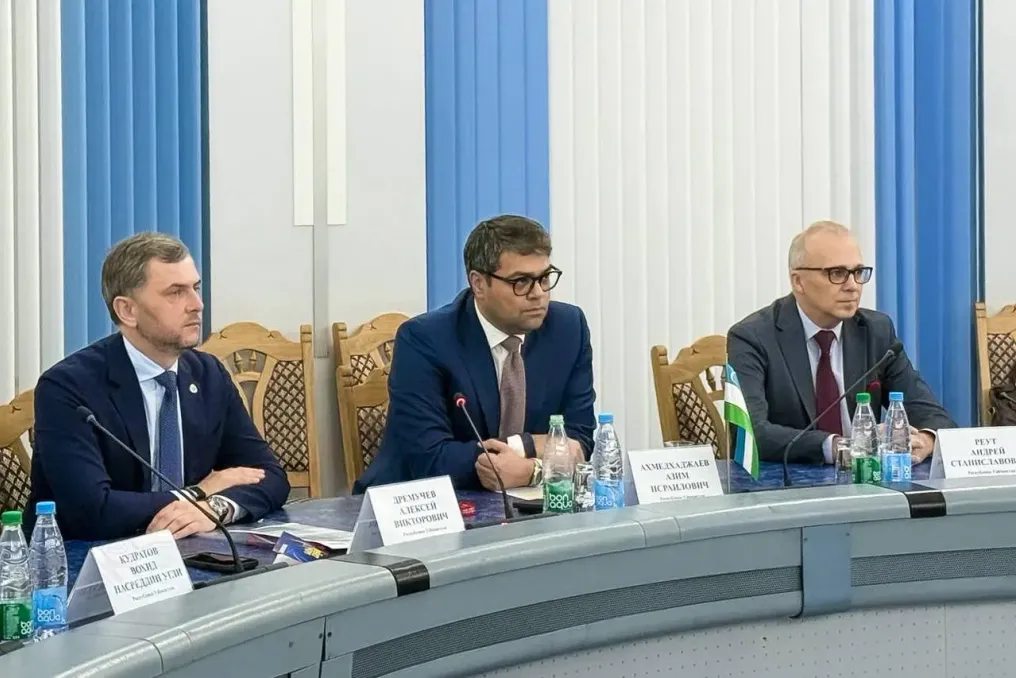
A delegation from the Uzbek agency Uzatom visited Minsk, Belarus, on October 27 to hold negotiations with the Minister of Energy of Belarus, Denis Moroz. The main topic of discussion was the participation of Belarusian enterprises in the project of Uzbekistan's integrated nuclear power plant, as well as the localization of energy equipment and the development of industrial cooperation.

These negotiations took place as part of the Uzbek delegation's working trip to Belarus. The parties reviewed prospects for joint work in the field of nuclear energy and opportunities to involve Belarusian specialists and companies in the implementation of Uzbekistan's national program in the field of atomic energy.

Belarus is also providing practical support in selecting qualified personnel for the construction of the nuclear power plant and related infrastructure. According to Moroz, the production of transformer equipment is one of the promising areas for cooperation.

The Belarusian side is ready to study potential partnership between the V. I. Kozlov Minsk Electrical Engineering Plant, Uzatom, and the Russian state nuclear corporation Rosatom. The Minister also emphasized the possibilities of expanding industrial cooperation, including equipment supplies and the creation of joint production capacities.

Azim Akhmedkhadzhayev, Director of Uzatom, focused on the importance of working with partners who possess the necessary experience to execute the NPP project. He noted that further joint efforts must strengthen the partnership and lead to tangible results. After the meeting, the parties agreed to continue exchanging proposals on specific areas of cooperation and to define projects for further joint consideration.

Uzbekistan and Belarus Discuss Workforce Training for Nuclear Energy
Read more
uzdaily.uz

Uzbekistan and Belarus Discuss Workforce Training for Nuclear Energy

A delegation from Uzbekistan's agency Uzatom held working meetings with representatives of educational institutions and industry in Belarus in Minsk. The purpose of the meetings was to discuss workforce training and potential cooperation within the framework of the nuclear power plant construction project in Uzbekistan.

The main focus of discussions with Alexander Novikov, director of the Minsk State Energy College, was on training mid-level technical specialists required for the operation and construction of energy facilities.

Opportunities for partnership through the Jizzakh Polytechnic Institute were discussed, including the potential creation of a training center for electricians, welders, and other technical specialists in demand by the energy sector.

The Minsk State Energy College has been training specialists for the Belarusian energy industry for over fifty years, having graduated more than 20,000 students. Since 2009, the college has also trained personnel working at the Belarusian Nuclear Power Plant, participating in its construction.

College representatives noted that cooperation with energy companies allows for the combination of classroom learning with practical training while improving graduates' employment prospects.

Novikov emphasized the readiness of the Belarusian side to share its experience in human resource development. He stated that creating a qualified workforce in the field of nuclear energy requires a systemic approach to education, close interaction with industry, and the development of practical skills.

During the visit, the Uzatom delegation also met with Nadezhda Lazarevich, chairwoman of the Belprom concern, and company management to discuss possible industrial cooperation related to the Uzbekistan NPP project.

The parties studied potential areas of joint work aimed at strengthening the technological resilience of the future facility and developing industrial partnerships. Belprom enterprises export products to more than 60 countries and have experience in international cooperation.

Lazarevich reported that Belarus is closely monitoring the development of Uzbekistan's nuclear industry and sees opportunities for long-term cooperation as the country's industrial potential grows. She also expressed the concern's readiness to participate in joint initiatives.

At the conclusion of the meetings, both sides confirmed their interest in expanding practical cooperation, especially regarding specialist training and industrial partnership related to the construction of the Uzbekistan nuclear power plant.

Rosatom proposed practice, mentorship, and the creation of a youth platform for atomic specialists in Central Asia
Read more
podrobno.uz

Rosatom proposed practice, mentorship, and the creation of a youth platform for atomic specialists in Central Asia

Young specialists in the atomic sector from Central Asian countries received a proposal to expand opportunities for internships and practical training, as well as to establish direct connections with future employers and develop a mentorship system.

A correspondent from Podrobno.uz reports that each country must appoint a responsible representative to coordinate this work.

The proposal was presented at the 'Atom 2050' meeting

At the 'Atom 2050' meeting, held on October 23 in Tashkent, Alexey Likhachev, head of Rosatom, put forward this initiative. He emphasized the corporation's readiness to support the organization of practical classes and internships, including in the region's territories, by proposing cooperation through mentorship and establishing direct contacts with potential employers.

Likhachev also suggested involving various experts in dialogue with the youth: scientists, entrepreneurs, leaders of international projects, and other specialized professionals. In his opinion, the topics of such events should be formed based on the interests of the participants themselves, and mentorship can be carried out both individually and in a group format.

Furthermore, the head of Rosatom raised the issue of creating a youth community or a special platform. He noted that the content and development vector of such a structure should be determined by the young people themselves to ensure their interest and relevance of participation.

The event brought together representatives of youth and the leadership of the atomic industry from both Russia and Central Asian countries. During the meeting, the results of national youth nuclear dialogues were presented, where participants discussed issues related to the prospects of atomic technologies, barriers to starting a career, and possible ways to overcome them.

Previously, there was information that about 900 citizens of Uzbekistan are studying at Russian higher educational institutions in atomic and related disciplines. Additionally, about 350 students are studying at the Tashkent branch of MIFI.

Popular