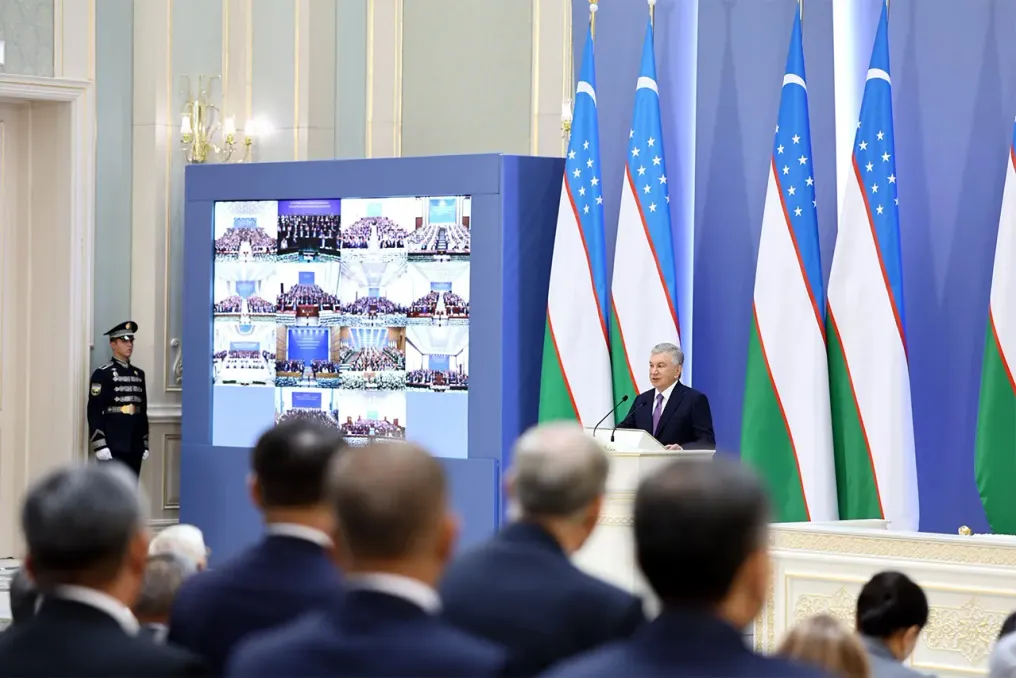
The President of Uzbekistan, Shavkat Mirziyoyev, announced on October 27 the plans to reform the medical education system, expand students' practical training, and introduce additional payments for certain categories of healthcare workers.
These measures were presented during a meeting with representatives of the pharmaceutical and medical sectors, according to presidential press secretary Sherzod Asadov. Mirziyoyev noted that 11 state higher education institutions in Uzbekistan annually graduate about 15,000 doctors, but not all graduates possess sufficient practical skills to begin working with patients independently immediately after graduation.
The President emphasized that the quality of medical specialists' work directly affects patient safety and can threaten people's lives. To solve this problem, it is expected that starting in 2027, medical students will spend three days a week working directly with patients.
Strengthening Students' Clinical Skills
During the final year of study, students will undergo full practical internships in medical institutions to strengthen their clinical competencies before graduation. Furthermore, starting in 2027, Uzbekistan intends to make specialized medical education within higher education free, and residents will receive a scholarship of 3 million soms.
The duration of residency programs will range from two to five years depending on the specialty; for example, family medicine training will take two years, while surgical residency will take five years. A university clinic system is also being introduced, where medical institutions will be affiliated with medical universities, and Mirziyoyev stated that 80% of medical research should be conducted in these clinics. Priority research areas will include increasing diagnostic accuracy, improving treatment effectiveness, and reducing medical complications.
New Standards and Financial Incentives
The President also announced the introduction of New Medical Standards of Uzbekistan, which cover medical education, construction and equipping of healthcare facilities, sanitary and hygienic requirements, patient safety, and service standards. Mirziyoyev stressed that anyone entering a clinic must first encounter cleanliness, order, and a culture of service.
As part of measures to improve working conditions, primary healthcare workers will gradually start receiving special uniforms free of charge. In 2026, regional competitions will be held for the first time to recognize the best doctors and nurses at the district level, with winners receiving cash prizes of 30 million soms. In 2027, 14 doctors who place in the prize positions at the regional stage will receive electric vehicles. The authors of the ten best projects aimed at promoting a healthy lifestyle will also receive grants of 200 million soms each.
Creation of a State Award and Further Reforms
During the meeting, Mirziyoyev proposed establishing a special state award named after Abu Ali ibn Sina. This award will be given to medical workers who have achieved success in protecting public health, implementing scientific developments, and applying modern treatment methods. The President noted that over 800,000 people work in the medical and pharmaceutical sectors of Uzbekistan, and he also announced the signing of a decree granting state awards to industry representatives, including doctors, entrepreneurs, and foreign partners, presenting them at the meeting.
The latest announcements are a continuation of the proposals submitted to the president in September regarding reforms in medical and pharmaceutical education. According to these proposals, the existing specialty 'General Medicine' will be replaced by a six-year bachelor's course in general medicine, starting in the 2027/2028 academic year. Students will complete five years of academic study, followed by one year of practical training.
Another proposed change includes the creation of a unified electronic registry of medical and pharmaceutical workers, containing information about their qualifications, education, and professional activities. It is planned that state registration of medical workers will become voluntary from 2027 and mandatory from 2030. These changes are intended to strengthen practical medical education, improve professional qualifications, and introduce new mechanisms for supporting healthcare workers.