São Paulo Aquarium is the largest aquarium in Latin America and attracts visitors with diverse species
Read more
Viagem e Turismo
viagemeturismo.abril.com.br

São Paulo Aquarium is the largest aquarium in Latin America and attracts visitors with diverse species

Located in the traditional Ipiranga neighborhood, in the south zone of the São Paulo capital, the São Paulo Aquarium stands out as the first and largest thematic aquarium in Latin America. This attraction occupies a complex of 15 thousand square meters and houses approximately 4 million liters of water, where about 3.5 thousand animals belonging to 250 distinct species reside.

Inaugurated in 2006, the aquarium was initially conceived with a special focus on Brazilian ecosystems, including the Amazon Forest, the Pantanal, and the Tietê River environments. It is notable for presenting unique climate enclosures, such as those for polar bears, and for its thematic displays that accurately replicate natural habitats.

Additionally, the São Paulo Aquarium plays an active role in conservation programs and sustainable initiatives, in addition to promoting scientific research related to its theme. It is considered an ideal outing for both families and enthusiasts of global marine life, fauna, and flora.

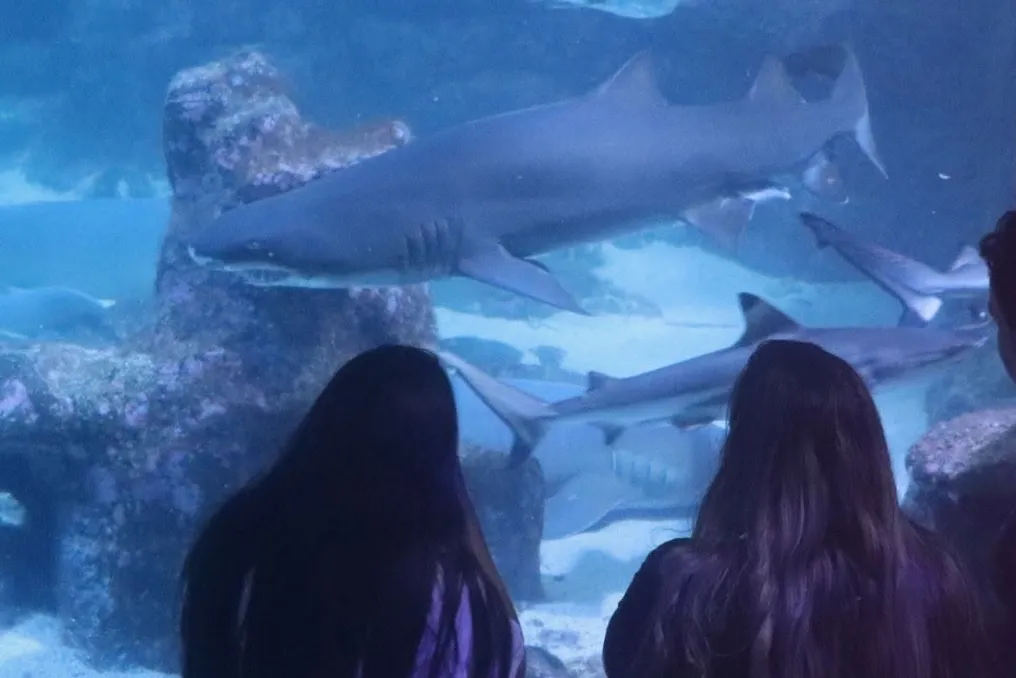
The diversity of living beings in the aquarium is vast. Among the most sought-after marine species are sharks, rays, clownfish (similar to the character Nemo), surgeonfish (like Dory from the Pixar movie), eels, and octopuses. The location also exhibits emblematic Brazilian species, such as pirarucu, large Amazonian fish, and Amazonian river dolphins, known as tapajós.

Besides colorful fish, there is a variety of exotic terrestrial animals that captivate the public, such as kangaroos, koalas (which have just arrived), hedgehogs, lemurs, sugar gliders, sloths, and flying foxes, also called giant bats. In the reptile section, a highlight is the albino caiman, being the only specimen of this species on display worldwide.

However, the main attraction of the aquarium is unquestionably the family of polar bears, which receives many visitors daily. This group consists of the female Aurora, the male Peregrino, and the cub Nur, born within the aquarium itself.

Among the most popular areas is an environment simulating the seabed, featuring a saltwater tank, a submarine replica, and corridors illuminated by neon lights. Another fascinating setting for all ages is the theme of a vast pirate ship, which has suspended decks allowing observation of mammals and other aquatic species from multiple angles, including from above the tanks.

The complex offers food services, including the Fragata restaurant, which operates on a self-service system, the Aquarium Café, with options for sweets, coffees, savory items, and ice cream, and Pier 15, a snack bar with maritime decoration that serves hamburgers.

The São Paulo Aquarium maintains daily operating hours, from 9 am to 5 pm. Weekdays, from Tuesday to Friday, are the most recommended for a calmer visit, as public flow tends to be higher on weekends and holidays.

The address of the space is Rua Huet Bacelar, 407. For those already in the city of São Paulo, easy access can be made by subway; the Santos-Imigrantes station (Line 2-Green) is about a 15-minute walk away. Those who choose to go by car can use the covered parking lot, subject to a fee of R$ 60.00.

Tickets are available for purchase on the official website or directly at the ticket office. The promotional price for adults is R$ 150. The promotional child ticket for children aged 2 to 12 years costs R$ 120. There is a special rate of R$ 100 for seniors over 60, teachers, and people with disabilities, including their companions.

In addition to the aquarium, the Ipiranga neighborhood offers other nearby historical and cultural sites that can be visited on the same day, such as the Ipiranga Museum, the Independence Park, and the USP Zoology Museum.
Similar stories

Return of Bison and Creation of New Habitat for Deer in Bandhavgarh Forests
Read more
www.aajtak.in

Return of Bison and Creation of New Habitat for Deer in Bandhavgarh Forests

A positive picture has emerged in the field of wildlife conservation within the forests of the Bandhavgarh reserve, which became evident during the Diwali festival. The presence of bison, elephants, and vultures enriches the biodiversity of the forests. Furthermore, efforts are being made to restore the deer population.

The primary focus of environmental authorities is on providing wild animals with safe habitats and adapting them to the natural environment. The return of wild animals that had once disappeared locally in Bandhavgarh is considered a significant achievement of conservation efforts. These efforts contribute not only to increasing the number of wild animals in the forests but also to strengthening the ecological balance.

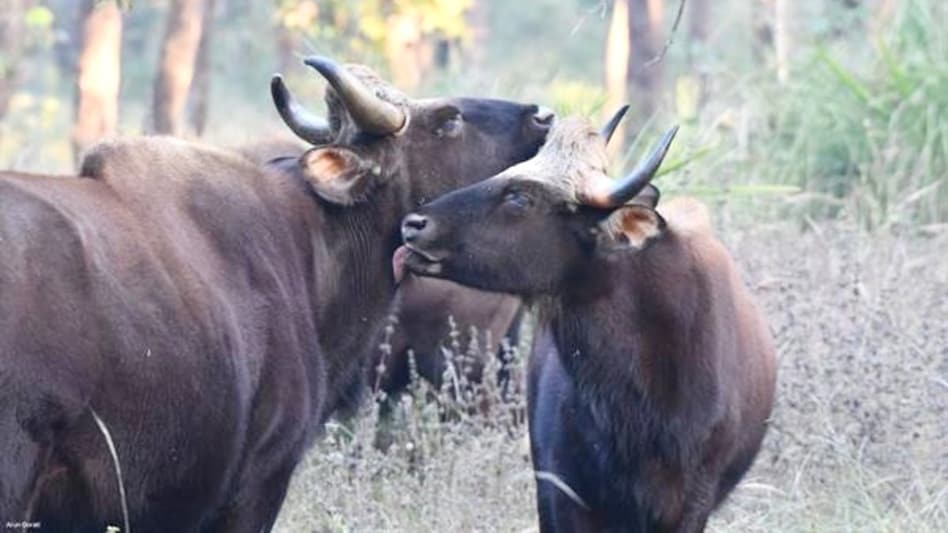
The return of bison to the forests of Bandhavgarh is an important success in wildlife protection. After conservation and restoration efforts, bison are again freely moving in their natural environment. Their growing presence strengthens the forest ecosystem and biodiversity.

Elephants, which arrived in Bandhavgarh in 2018, have gradually made these forests their new home. Over time, the elephants have adapted to the local environment and are now an integral part of the fauna of Bandhavgarh.

Vultures are known as nature's sanitation workers. They play a critically important role in maintaining environmental cleanliness and ecosystem balance by preying on dead animals. In the safe rocks and forests of Bandhavgarh, they are provided with suitable shelter. Conservation and habitat creation efforts help sustain their existence.

Initiatives are also underway to bring deer back to Bandhavgarh. As part of this program, deer were brought from the Kanha reserve and placed in a secure enclosure. Attempts are currently being made to adapt them to the new environment. This step is an important direction for the future creation of safe natural habitats for them.

The initiatives involving bison, elephants, vultures, and deer show that consistent conservation efforts and the provision of safe habitats can open up new opportunities for wildlife to thrive. This could lead to an increase in the natural wealth of Bandhavgarh and provide a new impetus for eco-tourism development. The message conveyed by the forests of Bandhavgarh during Diwali is that if wild animals are provided with safe shelter and a favorable environment, both life and biodiversity can flourish in the forests.

Study shows over 100 thousand species of wildlife are traded globally
Read more
noticiasaominuto.com

Study shows over 100 thousand species of wildlife are traded globally

A recent study revealed that more than 107,000 species of wildlife are traded globally, which is double previous estimates. Analysts note that the lack of data may indicate that the actual number could be 'much higher.'

Previously, it was estimated that around 50,000 species were traded worldwide. However, a new comprehensive assessment, based on intersectoral data from wildlife trade monitoring programs, established the figure at 107,356 species. This is reported in a statement about the research published by the University of Melbourne in Australia.

This study, described as the 'first comprehensive assessment of species sold among plants, animals, and fungi,' was published today in the journal Science Advances, published by the American Association for the Advancement of Science (AAAS).

Alice Hughes, a lead researcher from the Australian university's School of Life Sciences, explains that wildlife trade covers a wide range of goods: 'from timber, seafood, and medicinal plants to pets, cut flowers, ornamental fish, and fungi,' although many primarily imagine the smuggling of elephants, tigers, and pangolins.

Citing the statement, the scientist notes that 'most of this trade is legal' and generates 'about ten times more than the illegal trade.' According to the findings presented in November 2025, illegal trade was estimated at $360 billion ($323 billion euros) annually.

Highlighting the problem of insufficient information on wildlife trade, the study acknowledges that the stated figure of 107,356 species may be significantly lower than the actual volume. The researcher points out that 'for most of these species we have little or no data,' adding that 'there is no data on quantity and origin, let alone population level, to assess whether the trade poses a risk to species survival.'

She also emphasizes: 'Without better data, we cannot accurately assess the risks to biodiversity or determine when trade leads to species decline.'

In Alice Hughes' view, the huge gaps in the global wildlife trade monitoring system identified in the study 'underscore the need for a radical change in how trade is accounted for and reported.'

The scientist draws attention to the fact that despite the existence of a global biodiversity agreement, expert assessments show that it 'accounts for only about two or three percent of traded species, leaving the other 97 percent out.'

The Convention on International Trade in Endangered Species of Wild Fauna and Flora (CITES) provides different levels of protection for over 40,000 species of animals and plants, regardless of whether they are sold as live specimens or as derivative products.

Wildlife trade also carries risks such as the import of pests and pathogens, as well as invasive species.

To change the current situation, the study advocates for the necessity of 'unifying trade data collection,' suggesting that reusing 'existing customs and veterinary sanitary processes' would allow countries to 'develop a robust system for monitoring trade.'

Collaboration between scientists, government agencies, companies dealing in wild species, and consumers driving demand is also critically important. Alice Hughes concludes: 'If we consider it important to stop the loss of biodiversity, we need much more comprehensive, transparent, and globally coordinated reports on wildlife trade.'

Record frog species discovered in Pico da Caledônia
Read more
g1.globo.com

Record frog species discovered in Pico da Caledônia

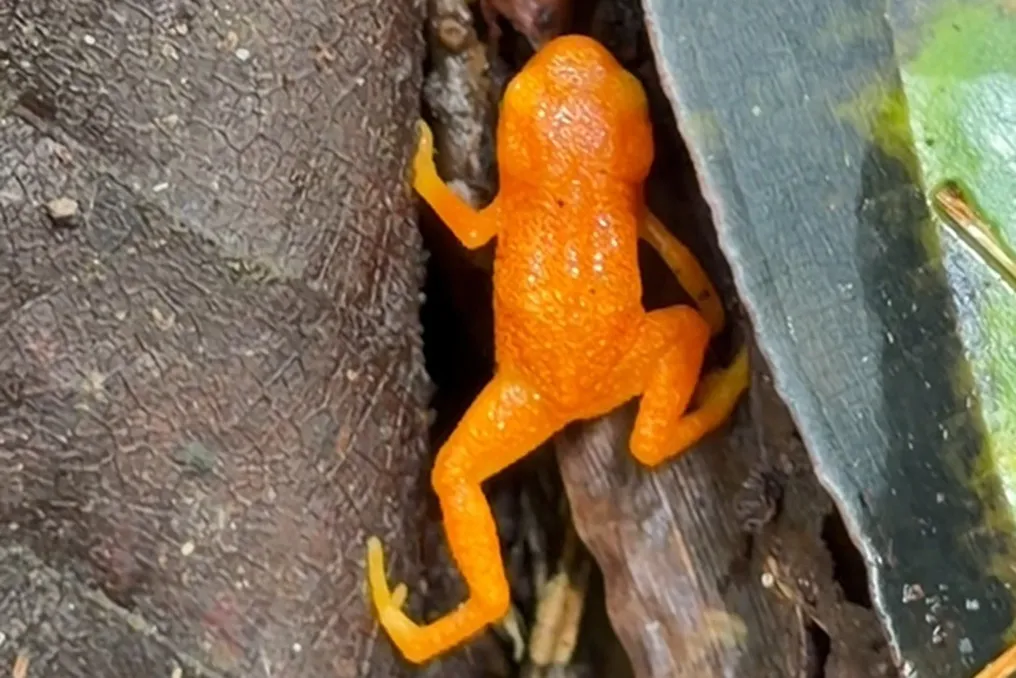
A rare observation was made in Nova Friburgo, in the Serrana Region of Rio state: the pingo-de-ouro frog (Brachycephalus ephippium) was discovered in Pico da Caledônia. This species is known for its tiny size and bright coloration, and it is one of the most curious representatives of the Atlantic Forest fauna, currently endangered.

The animal's size ranges from twelve millimeters to one centimeter, making it smaller than a 1 real coin and allowing it to be considered the smallest terrestrial amphibian in the world. Despite its miniature size, the pingo-de-ouro plays an important role in maintaining ecosystem balance.

According to data from the State Institute of Environment (Inea), this species serves as an indicator of environmental quality, as its presence is usually associated with well-protected areas. This species is native to the Atlantic Forest and inhabits areas above 600 meters above sea level.

The discovery took place in Pico da Caledônia, in Nova Friburgo, one of the highest points in the state of Rio de Janeiro, which reaches an altitude of 2257 meters. The record was made by the Aventura Animal project in Pico da Caledônia.

Researchers note that this discovery underscores the critical importance of preserving natural areas to ensure the survival of rare species such as the pingo-de-ouro, which are particularly sensitive to changes in the environment.

Popular