Zomato founder revealed details of the TEMPLE device: it works without a microphone thanks to vibration sensors
Read more
Aaj Tak
www.aajtak.in

Zomato founder revealed details of the TEMPLE device: it works without a microphone thanks to vibration sensors

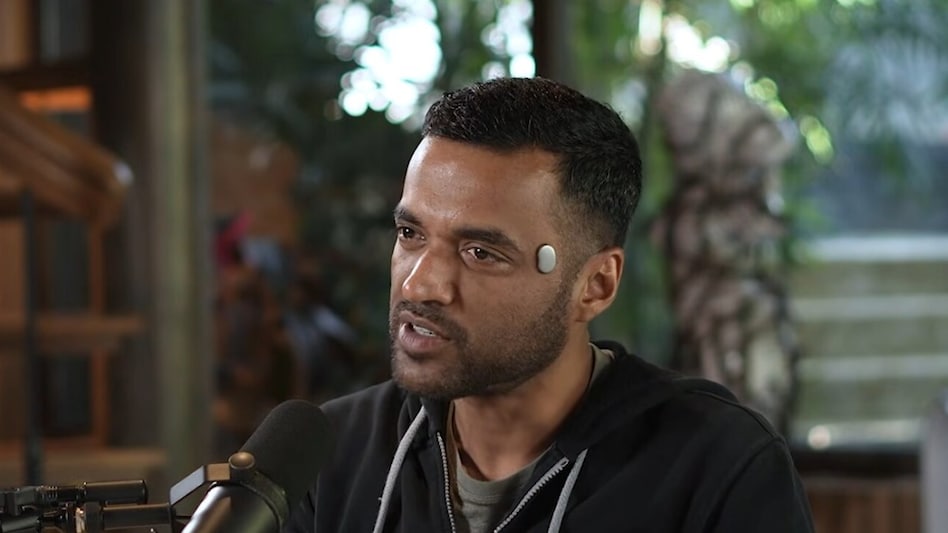
Dipinder Goyal, founder of Zomato, introduced his device TEMPLE, calling it an AI companion named Room Def Voice AI. Notably, this gadget does not have a microphone.

This raises the question of how the device is able to perceive speech. TEMPLE is equipped with motion sensors that detect the slightest vibrations generated during user conversation and convert them into text. Thus, the device can understand the owner's speech but cannot listen to conversations of other people in the room.

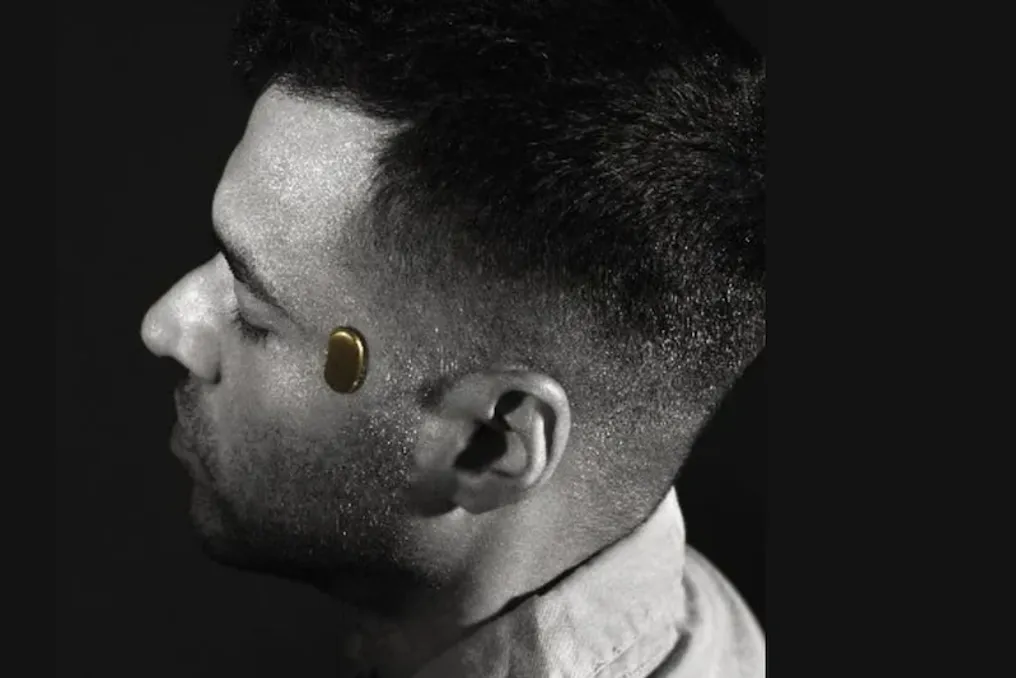
Essentially, TEMPLE is a health-oriented product worn on the temple. It tracks blood flow in the brain and provides information about health status. However, the effectiveness of this technology has recently become a subject of questions.

According to Dipinder Goyal, the TEMPLE device lacks features such as a microphone, camera, and screen. Users can activate it simply by double-tapping it. The device confirms the start or end of operation with small vibrations.

TEMPLE Integration with AI

Goyal also stated that TEMPLE is integrated with artificial intelligence, allowing users to record their ideas, set reminders, and log important moments without taking out their mobile phone from their pocket.

Furthermore, TEMPLE is capable of tracking daily activities, such as logging meals and workouts, as well as recording health issues.

TEMPLE is designed as a wearable health tracker. It has the capability to monitor heart rate, heart rate variability, sleep, as well as track chewing activity and body temperature.

Similar stories

Dipinder Goyal refutes fraud allegations against TEMPLE device in response to doctors
Read more
www.aajtak.in

Dipinder Goyal refutes fraud allegations against TEMPLE device in response to doctors

Co-founder of Zomato, Dipinder Goyal, is preparing for the launch of the TEMPLE device, for which pre-registration has already begun, with delivery expected soon. Recently, the TEMPLE device has become a subject of controversy, and Goyal issued a statement asserting that it is not a scam.

Some doctors have classified TEMPLE as major medical fraud and health deception. However, Dipinder Goyal rejected these claims, emphasizing that the device was developed at a cost of 188 million rupees.

Goyal stated that he spent 20 million US dollars (equivalent to approximately 188 million rupees) on creating this product. He responded to Indian doctors via the X platform, stating that about 30 million dollars were spent on the device's development, of which 20 million were his personal funds.

He added that if TEMPLE were a scam or if people were making big claims about it, those conducting tests would have noticed within a few days.

Furthermore, Goyal assured that the company offers a 14-day money-back guarantee without questions asked; if TEMPLE does not work, it will be returned from the start. He also stressed that his project is not aimed at quick profit, referencing his CEO's post.

TEMPLE is a device resembling a pea that is attached near the head, specifically on the temple. The company claims that TEMPLE tracks changes in blood flow in the brain and entropy. According to the TEMPLE portal, entropy refers to how much effort the body exerts to cool down and dissipate heat.

Many doctors have questioned TEMPLE's ability to actually track blood flow in the brain. One of the most vocal critics is hepatologist Dr. Sayrik AB Phillips, also known as 'The Liver Doc,' who labeled TEMPLE as serious medical fraud and health deception.

In response to the criticism, Goyal mentioned the WHOOP fitness tracker, noting that the company released its fitness tracker in 2015 and faced similar questions, but it is now popular worldwide.

Demolition of Hanumanji statue being prepared in Ujjain: Team from Bhopal conducted inspection using equipment at night
Read more
www.aajtak.in

Demolition of Hanumanji statue being prepared in Ujjain: Team from Bhopal conducted inspection using equipment at night

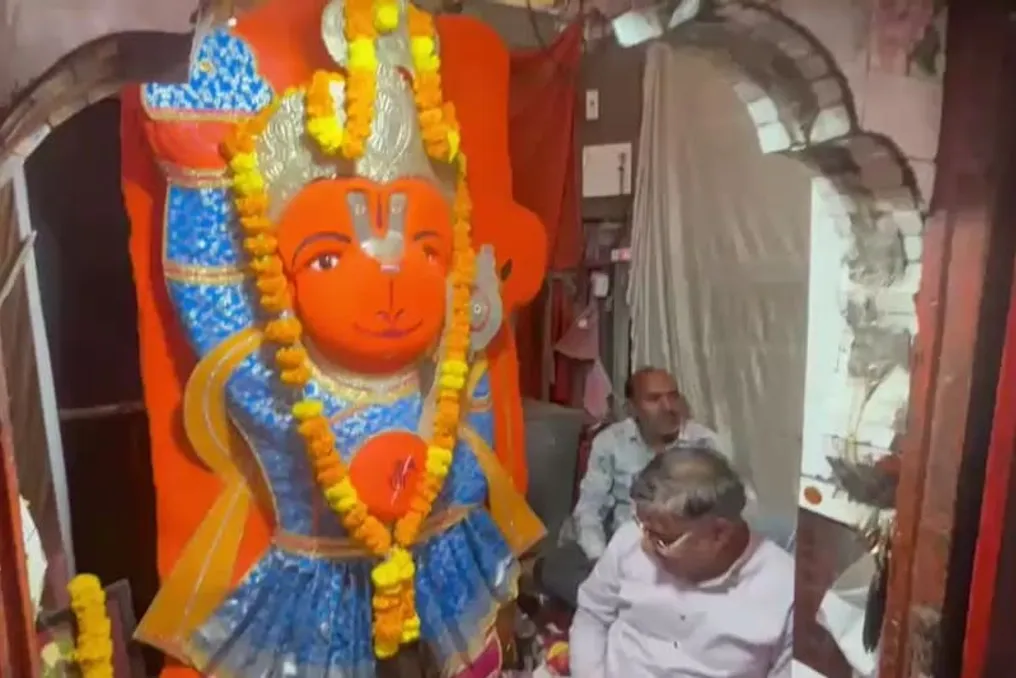
Preparations are underway in Ujjain, Madhya Pradesh, for the possible relocation of the Hanumanji statue located in a temple that is about 170 years old. The temple's frame is destroyed, and the statue is currently housed in a tent, but the administration continues its activities regarding this matter.

A recent night between Monday and Tuesday caused new resonance: a special group arrived in Ujjain from Bhopal. The temple was opened at night, and an inspection of the Hanumanji statue began using modern equipment. The team remained on site for about an hour and a half.

The purpose of the inspection was to determine the depth of the statue underground, assess its fixation, and identify the potential risk of damage during extraction attempts. However, after this operation, the question arose: why conduct such an important inspection secretly, late at night?

This incident occurred in the Sarafa area of Ujjain, where the Hanumanji temple is located. Street expansion work is ongoing in the city as part of preparations for the Singhasth fair. The temple itself, which is about 170 years old, is situated on the route from Kantal to Chhatri Chowk.

Attempts to move the temple to another location have been ongoing since the end of August. Although the district administration has dismantled the main frame of the temple, the Hanumanji statue has not yet been moved and remains in a tent, where devotees visit it. According to the temple caretaker, Ramu Guru, pilgrims continue to come regularly for prayers despite the destruction of the temple structure.

After the temple closed on the night from Monday to Tuesday, the team from Bhopal began the inspection. Accompanying the Bhopal team was L.N. Garg, Deputy District Magistrate of Ujjain. Specialists used modern tools to study the statue. Special attention was paid to two aspects: firstly, how deep the statue is buried underground; and secondly, what the system for fixing the statue to the ground is.

The inspection, which lasted about an hour and a half, aimed to ascertain a safe method for extracting the statue and to assess the probability of damage during the process. Nevertheless, the administration has not yet released a report or the results of this inspection, and it is unclear whether a decision has been made regarding the statue's relocation.

Regarding the late-night inspection, Hindu leader and former council member Santosh Vyas commented. He questioned the method of the inspection, asserting that if the administration needed to study the statue's structure and fixation, it could have been done transparently and publicly. He asked why a team was needed in the dark without public notification, as this could cause anxiety among devotees.

Santosh Vyas also mentioned the Shahi mosque in Chhatri Chowk. He noted that construction had begun there after part of the building was demolished, whereas the Hanumanji temple statue has remained in a tent since the frame was destroyed. No official response has yet been received regarding these comparisons and allegations against the administration.

The main question in this matter remains open: what will happen to the Hanumanji statue? Will it be moved after the survey, or is the administration seeking another solution? At present, the administration has neither announced any relocation of the statue nor the results of the inspection conducted.
Popular