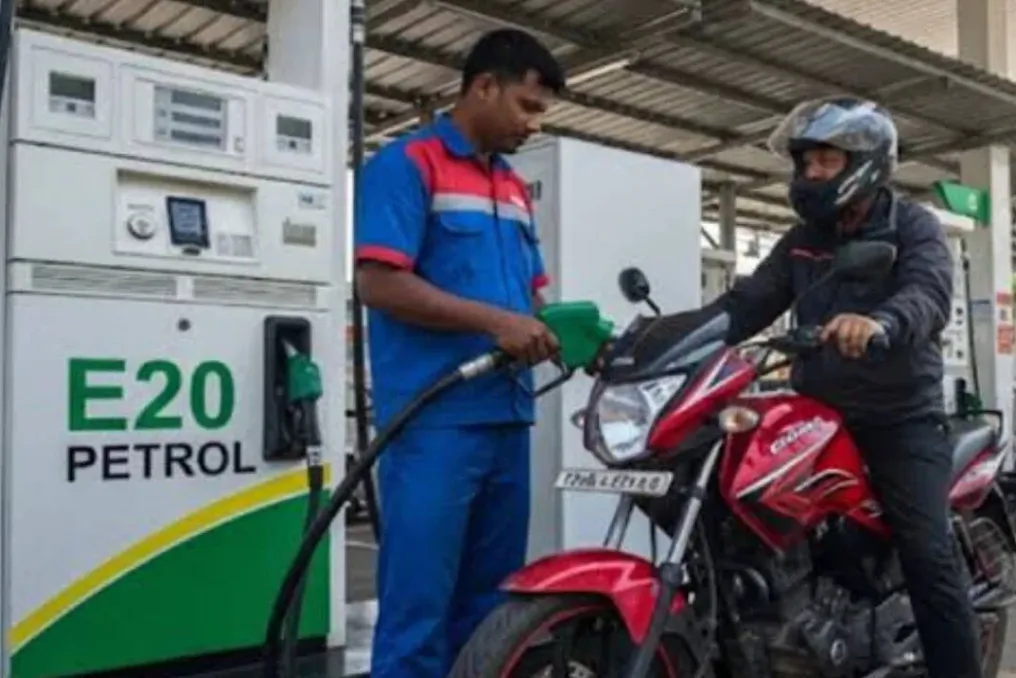
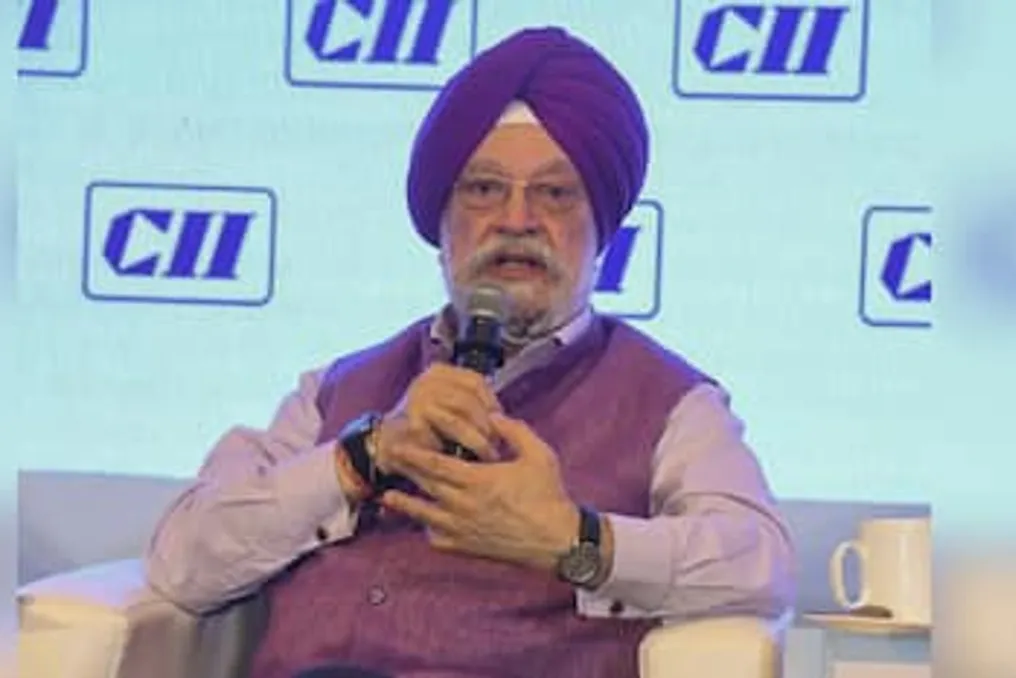
Oil and Natural Gas Minister Hardeep Singh Puri announced on Tuesday that the government does not plan to increase the content of ethanol in gasoline beyond the current 20 percent.
During an event marking the opening of the 29th meeting on energy technologies and innovations in South Goa, Puri also addressed the spread of disinformation regarding biofuels. He described myths about E20 gasoline (with 20% ethanol) as a 'fabricated narrative.'
He clarified that the goal concerning biofuels was to reach a 20 percent level, and there is currently no intention to increase this share. The government promotes ethanol-blended gasoline as part of a strategy to reduce dependence on imported crude oil, which is one of the main factors contributing to the country's current account deficit. E20 gasoline, containing 20% ethanol and 80% gasoline, has already been implemented.
The three-day meeting, focused on 'Accelerating Energy Innovations from Research to Commercialization,' was held in the village of Betul in South Goa. The event was organized by the Ministry of Petroleum and Natural Gas.
Puri mentioned social media posts claiming that vehicles had stopped and broken down, implying that the government had ceased selling blended fuel. The Minister noted that the relevant vehicles are designed to run on E20 fuel. He pointed out issues with older models manufactured before 2003.
The Oil Minister stated that the introduction of E20 gasoline helped the government save 160,000 crore rupees, of which 140,000 crore rupees was returned to farmers. He commented on this by saying that farmers have become 'Urjadata' (energy givers) instead of 'Annadata' (food givers).
Responding to questions about problems reported by E20 fuel users, Puri suggested that the issue might be related to the transportation of the blended fuel, as the tankers were used for other purposes. Regarding stories of engine damage, he reported that someone made such claims, and the corresponding car manufacturer sued them. The Minister reiterated that the information about E20 fuel is a 'fabricated narrative.' He added that sixty million vehicles visit gas stations daily, and if engine damage were occurring, it would be obvious.
Meanwhile, the Ministry of Transport notified last week of changes to the Central Motor Vehicles Rules of 1989, allowing the use of flexible fuel vehicles capable of running on fuel up to E100 (nearly pure ethanol). E100 fuel allows vehicles to run on nearly pure ethanol. Flexible fuel vehicles are designed to operate on higher ethanol concentrations, such as E85 (85% ethanol, 15% gasoline) and E100, unlike standard gasoline cars approved for lower ethanol concentrations. Major automakers, including Toyota Motor Corporation, Tata Motors, and Hyundai Motor Company, are also developing flexible fuel vehicles for the Indian market as part of policymakers' efforts to reduce the country's fossil fuel imports.