Unitree and Star Plus Legend Unveil Limited Edition UNI-DOGGIE Robot Priced at 43,900 Yuan
Read more
Pandaily
pandaily.com

Unitree and Star Plus Legend Unveil Limited Edition UNI-DOGGIE Robot Priced at 43,900 Yuan

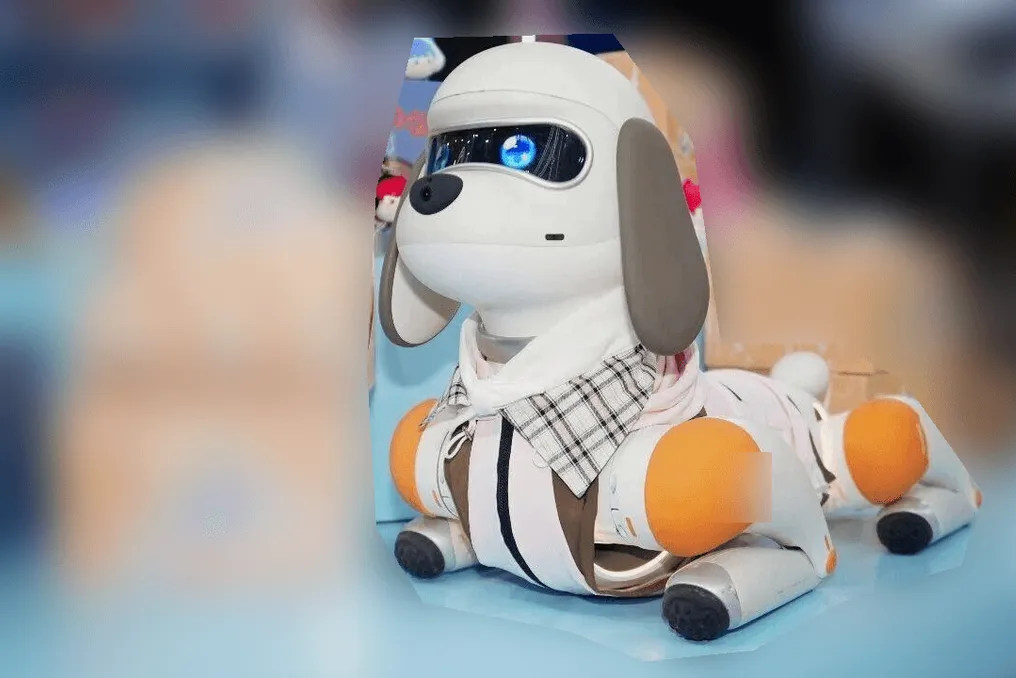
Unitree Robotics, in collaboration with Star Plus Legend, has released the collectible consumer robot dog UNI-DOGGIE, priced at 43,900 yuan. The product presentation took place on November 6th at the Ninth China International Import Expo in Shanghai. According to information obtained from Jiemian News via Sina and IT Home, the global production limit is set at 2,000 units.

The partners position this machine as a combination of a quadruped robot, character-based design, and a collectible consumer item. Promotional materials emphasize social use, interaction, and companionship rather than cargo transport or industrial inspection. The companies themselves state that UNI-DOGGIE is Unitree's first collectible robot dog for consumers.

The physical specifications of UNI-DOGGIE are as follows: it measures 72 by 37 by 71 centimeters when standing and weighs approximately 19 kilograms. Its locomotion system is equipped with 12 aluminum alloy joint motors, and the stated maximum speed reaches two meters per second. According to published specifications, the robot is capable of overcoming steps up to 16 centimeters high and inclines up to 40 degrees, as well as moving across tiled floors, carpets, flat surfaces, and shallow grass. It is important to note that these figures are supplier specifications, not results from independent testing.

Interaction functionalities include running, jumping, handstands, dancing, lion dance gait, shaking hands, and heart-shaped gestures. The robot is equipped with a camera in its snout, allowing it to take photos and videos alongside the user. Furthermore, the product is advertised with features such as automatic leash-free following, 4G network application control, and over-the-air software updates.

According to launch reports, distributor ADATA acquired 1,000 units. This purchase volume by the distributor accounts for half of the announced limited run, but this does not equate to 1,000 confirmed sales to individual consumers. Reports lack data on retail sales or a detailed supply schedule.

The potential applications for the robot range from family interaction and outdoor walks to participation in branded performances and parent-child engagement. Thus, the launch tests a consumer offering focused on entertainment and presentation, as well as mobility. However, the published launch information does not specify how reliably the robot performs these functions in a typical home environment.
Similar stories

Kawasaki presents the quadruped robot Corleo at EICMA 2026 fair in Milan
Read more
autopapo.com.br

Kawasaki presents the quadruped robot Corleo at EICMA 2026 fair in Milan

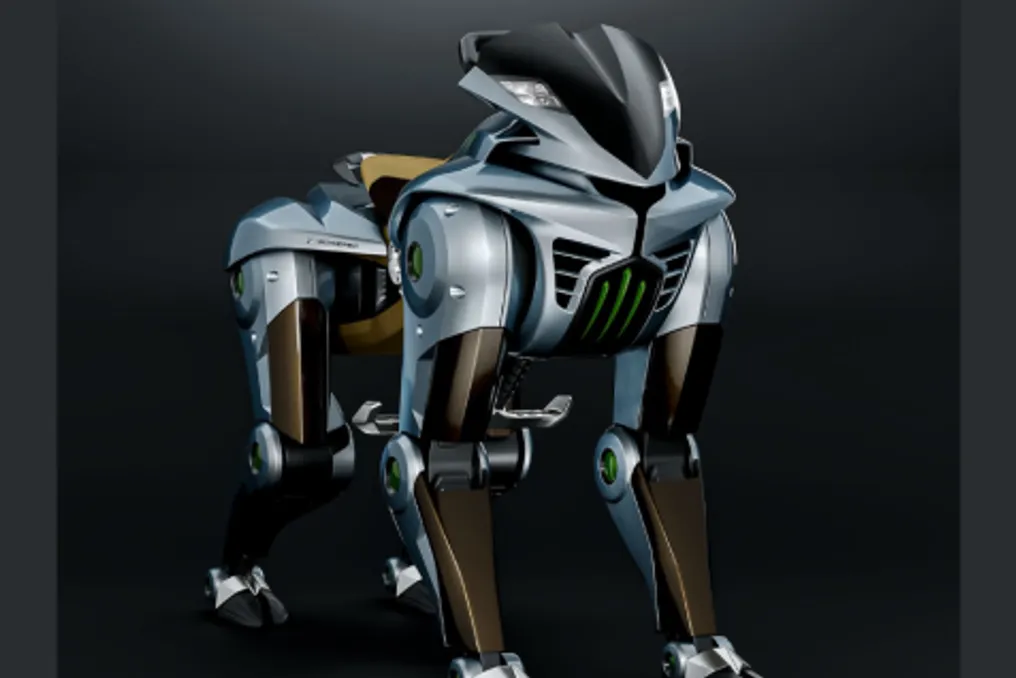
One and a half years after being displayed at Expo 2025 in Osaka, the robotic vehicle Corleo will be presented at EICMA 2026 in Milan. Kawasaki Motors Europe confirmed that the four-legged robot will be present at booth N46 of Pavilion 11, between November 5th and 8th.

However, visitors will not see the robot in motion at this event. According to Kawasaki, the exhibited unit is only a full-size prototype, serving to illustrate the physical dimensions of the project, essentially functioning as a model. In its previous appearance in Osaka, the Corleo demonstrated only limited movement, managing to stand up and perform small postural adjustments.

There is a considerable difference between this static version and the promotional images released by the brand. The promotional videos show the vehicle jumping and running on uneven terrain, a functionality that is still under development and cannot be demonstrated at the fair.

Corleo's Features and Proposal

Kawasaki categorizes Corleo as an RMV (Robotic Multi-legged Vehicle), meaning a multi-legged robotic vehicle. The central idea is to replace the traditional wheels of a motorcycle with four articulated legs equipped with independent actuation. This would allow the vehicle to traverse mountainous and irregular surfaces where conventional vehicles face limitations.

In terms of propulsion, the vehicle uses a 150 cm³ hydrogen-powered engine that acts as an electricity generator. The fuel is stored in tanks located at the rear. During the initial presentation, the company also mentioned features such as anti-slip treads and a vision system equipped with artificial intelligence, capable of identifying terrain, avoiding obstacles, and providing illumination during travel.

Controlling Corleo differs from the methods used in motorcycles or ATVs. The operator guides the robot through body weight transfer, similar to riding a horse, with sensors interpreting these movements to adjust the legs in real time.

Additionally, Kawasaki plans to implement its own navigation system. This system will take into account variables such as weather, temperature, ground condition, and even the presence of wildlife to suggest safe routes. This information will be displayed both on the vehicle's dashboard and on connected devices.

Future Vision and Development

All these innovations are grouped under the concept called "Safe Adventure," which aligns with the company's three pillars of Group Vision 2030: near-future mobility, remotely connected society, and environmental and energy solutions. The development of this project is under the responsibility of the Safe Adventure Business Development team, which reports directly to the president of Kawasaki Heavy Industries, signaling the internal importance of the project.

Shigemi Tanaka, General Manager of Kawasaki Motors Europe, stated that Kawasaki is at the forefront of various research and areas of operation. He emphasized that CORLEO exemplifies not only the company's vast technical, industrial, and environmental experience but also its commitment to building a carbon-neutral future. Tanaka expressed hope that visitors will show interest in the robot, in addition to the 2027 motorcycle line displayed at the booth.

Although Corleo was shown in April 2025 without a defined launch date, Kawasaki now projects its large-scale commercialization around 2035. This implies a development period of nearly a decade before the vehicle achieves the capabilities seen in the videos. For now, participation in the Milan fair offers the chance to view the robot in person.

Noetix Robotics files for initial public offering in Hong Kong
Read more
technode.com

Noetix Robotics files for initial public offering in Hong Kong

The Chinese humanoid robot manufacturer Noetix Robotics has confidentially filed documents for an Initial Public Offering (IPO) in Hong Kong. According to Bloomberg, this offering could potentially raise hundreds of millions of dollars.

The Beijing-based startup may list on the stock exchange as early as 2027, although the final timeline and amount of funds raised have not yet been determined.

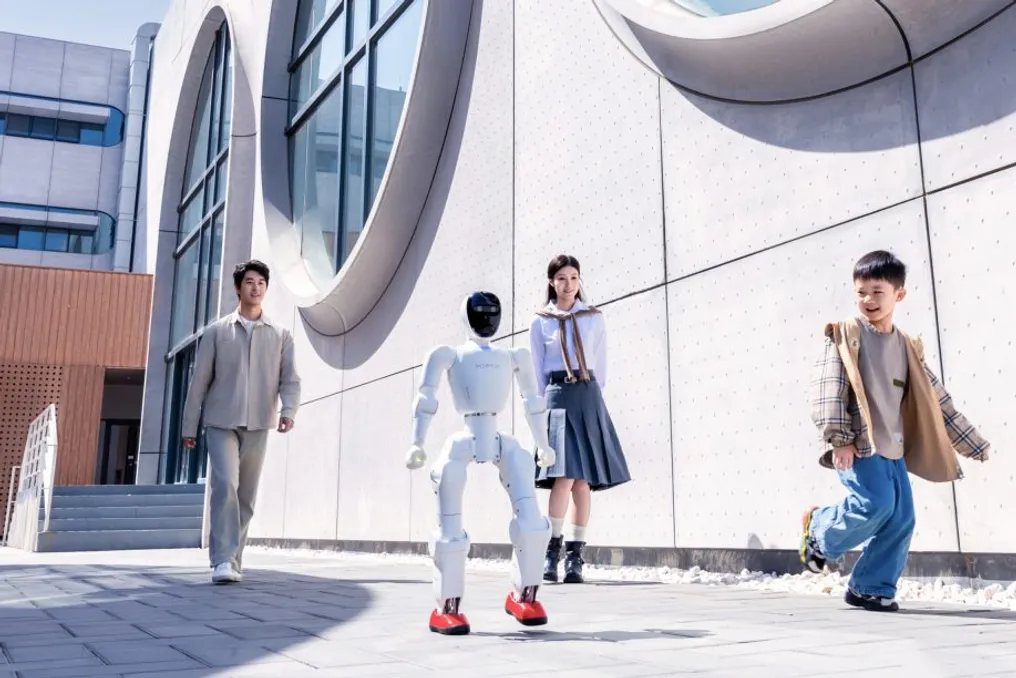
Noetix was founded in September 2023. The company develops humanoid robots, including the consumer model Bumi, which is available for a price starting from 9,998 yuan. Additionally, the company offers N and E series robots.

Earlier in March, the company raised approximately 1 billion yuan in a round led by Chendao Capital, an investment platform affiliated with battery manufacturer CATL. The potential stock offering will provide Noetix with an additional source of capital for developing products for consumer, educational, and commercial use.

Ararendá City Hall in Ceará acquires two humanoid robots for R$ 277 thousand for educational purposes
Read more
g1.globo.com

Ararendá City Hall in Ceará acquires two humanoid robots for R$ 277 thousand for educational purposes

The City Hall of Ararendá, a municipality located in the semi-arid region of Ceará with just over 11 thousand inhabitants, purchased two humanoid robots for the amount of R$ 277 thousand. This investment was funded by resources from the Fund for Maintenance and Development of Basic Education and Valorization of Education Professionals (Fundeb).

According to the municipal administration, the purpose of this acquisition is to improve students' learning process, focusing specifically on the areas of artificial intelligence (AI) and robotics. The purchase notice stipulated that the objective was to 'stimulate interactive and technological learning to meet the city's school units.'

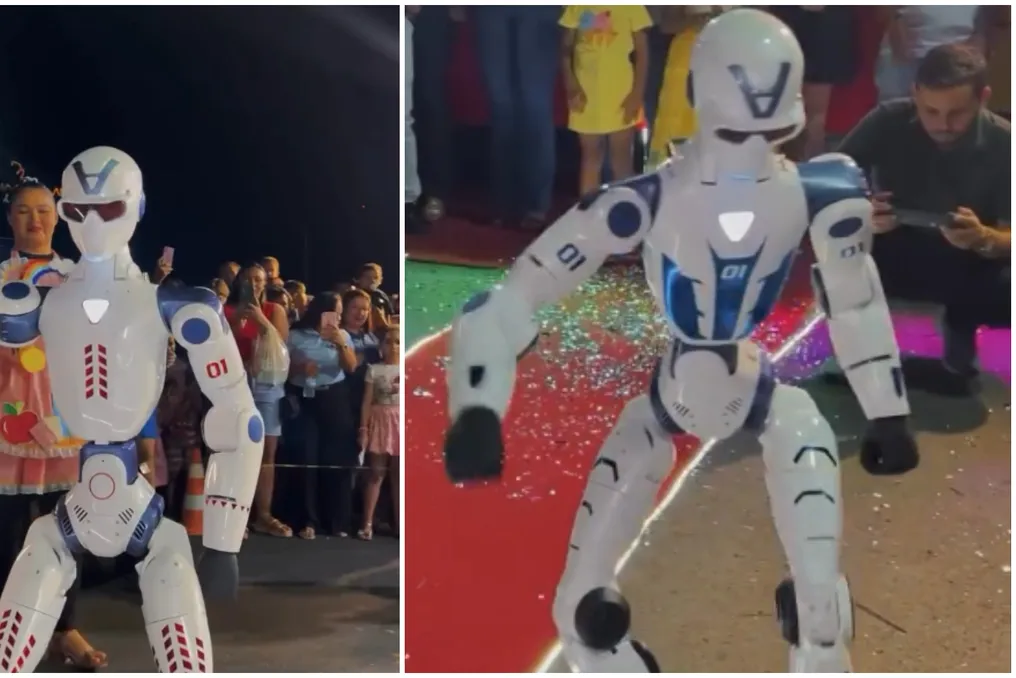
Ararendá has 14 educational institutions, ranging from nurseries to regular schools, but it was not clear how these robots will be distributed among them. The acquired robots are model R1, manufactured by the Chinese company Unitree, measuring approximately 1.2 meters high and weighing less than 30 kilograms, with a battery autonomy of about one hour. These machines have functionalities such as jumping, dancing, and performing somersaults.

The robotic duo served as a central attraction during Children's Day celebrations held by the city hall on October 16 and 17 in different neighborhoods. The mayor, Aristeu Eduardo (PT), celebrated the arrival of the machines, declaring his commitment to robotic education. He justified this initiative by saying: 'We are in a technological world where robotics is gaining more and more space, and we cannot be left behind this contemporary world' in a video released on social media.

The purchase process was formalized with the publication of the notice in the State Official Gazette on June 31, with the online bidding taking place on August 17. The winning company for the tender was Solar's CE, based in the municipality of Cratéus, near Ararendá, and specializes in solar energy.

Although Unitree, the manufacturer of the R1 model, does not sell the robot directly in Brazil, its international models range between 4,900 and 5,900 dollars. In the Brazilian market, after import procedures, costs can vary between R$ 97 thousand and R$ 139 thousand.

The acquisition was made through an electronic bidding process, intended for the purchase of material goods. The notice provided for the acquisition of two robots, each valued at R$ 138,499.00, totaling R$ 276,998.00. The resources used come from Fundeb, which is the main funding source for municipal basic education in the country, and the items were classified as permanent material for elementary education activities.

In the terms of reference, the document that underpins the opening of the tender, the Ararendá Education Secretariat alleged that the introduction of these equipment aims to increase student engagement and 'directly works on reducing school dropout rates.' The Secretariat stated that the municipality of Ararendá, located in the interior of Ceará, seeks to train its youth for a global economy highly dependent on Technology and Artificial Intelligence, positioning local education at the forefront of state technology.

Additionally, the document indicated that students would have the opportunity to program commands, movements, and responses in the robots, which would help strengthen knowledge in logic, physics, mathematics, and languages, in addition to benefiting the development of students with Autism Spectrum Disorder (ASD). The terms of reference also mentioned that the National Common Curricular Base (BNCC) recommends the use of technological resources in schools, and the machines would allow for optimizing the use of human resources by fostering the theoretical and practical continuing education of teachers.

Despite the justifications presented in the municipal documents analyzed by g1, there is no clear information on how the robots will be effectively implemented in the school units, whether in complementary activities or inside the classroom.

Popular