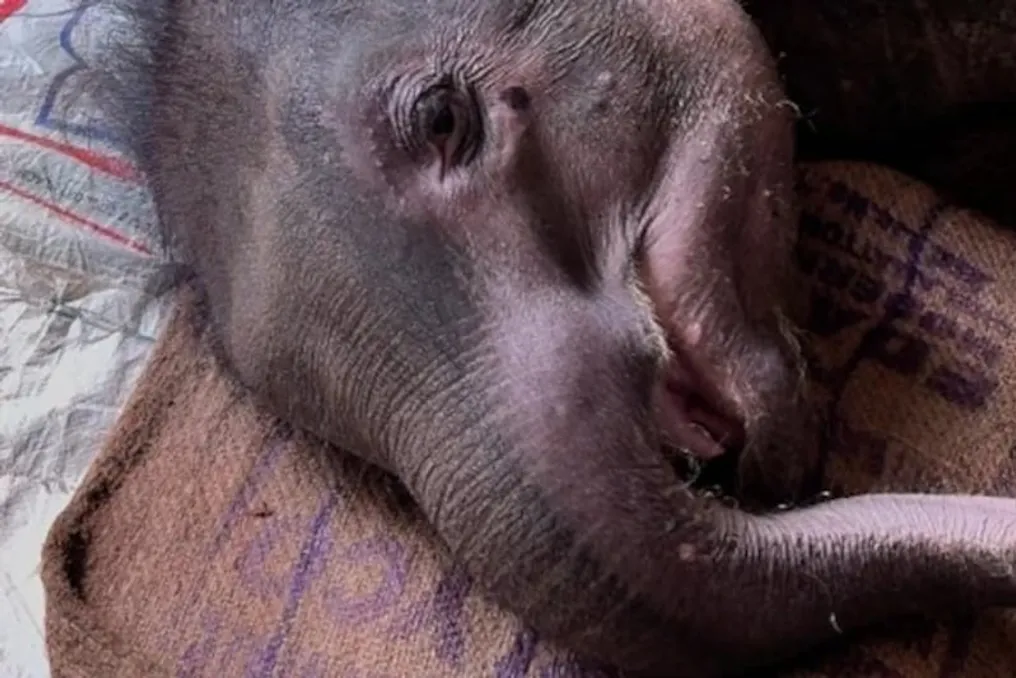
15-month-old elephant Maya being airlifted from Kerala to Vantara in Jamnagar for specialized treatment
Read more
Aaj Tak
www.aajtak.in

15-month-old elephant Maya being airlifted from Kerala to Vantara in Jamnagar for specialized treatment

The 15-month-old elephant Maya from Keralam is being airlifted from Kochi to Vantara in Jamnagar, Gujarat, with the aim of providing her with better medical care. Despite treatment by the Forest Department for several months, there was no improvement in her health, leading to the decision to transfer her to Vantara for long-term intensive medical facilities.

Maya was abandoned by her herd at birth. Subsequently, she was brought to the sanctuary camp in Kapprikkad, Keralam, where the responsibility and continuous care were taken up by the Forest Department staff and caregivers.

In July 2026, Maya fell in an accident, resulting in her inability to bear weight on her legs and preventing her from standing on her own for about two months. Given her critical condition, the Forest Department formed an expert medical board to monitor her treatment.

Based on the recommendations of the medical board, the assistant forest veterinarian treated Maya at the sanctuary's veterinary hospital. However, her condition did not improve as expected, suggesting that she required long-term intensive treatment and specialized care.

If a baby elephant cannot stand for a long time, it can develop various health problems; prolonged lying down puts pressure on the body, which can lead to wounds, muscle weakness, as well as respiratory and digestive complications. At 15 months of age, Maya needs proper nutrition and continuous care.

The Forest Department decided to seek expert assistance for Maya's treatment. Upon the request of the sanctuary's assistant conservator, she was medically examined on October 24, 2026. Following this, the Forest Department contacted Vantara, which has experience in elephant care and rehabilitation. A team of veterinarians from Vantara was sent to the sanctuary with little notice. There, the team conducted a detailed examination of Maya along with officials and doctors from the Forest Department.

After the joint examination findings, both parties agreed that transferring Maya to Vantara's advanced facilities would be more beneficial for her treatment and chances of recovery.

Maya is being airlifted from Kochi Airport to Vantara in Jamnagar, where she will receive intensive medical facilities. Members of the medical board and Forest Department officials will also accompany her during this journey. Both teams have made necessary arrangements to ensure her care during the travel.

This decision to transfer Maya to Vantara is the result of a joint effort by the Keralam Forest Department and Vantara. The main objective is to provide her with specialized medical assistance and continuous expert care to increase the possibility of her complete recovery.
Similar stories

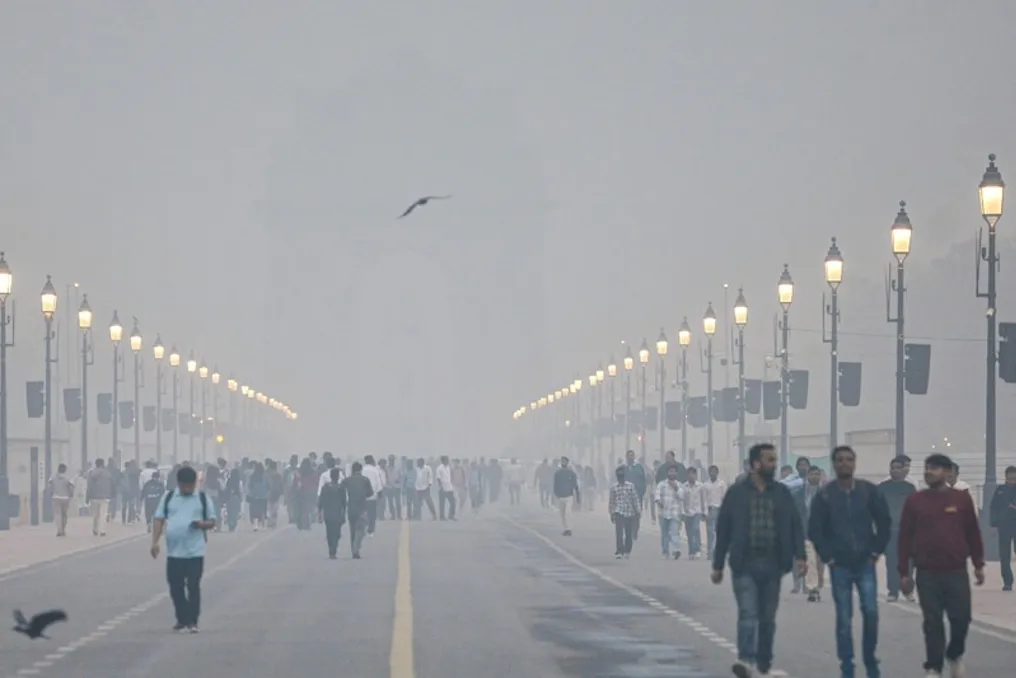
Air in Delhi and NCR becomes toxic before Diwali: AQI exceeds 400 in several areas, GRAP-3 proves ineffective
Read more
www.aajtak.in

Air in Delhi and NCR becomes toxic before Diwali: AQI exceeds 400 in several areas, GRAP-3 proves ineffective

Just before the Diwali festival, the air in the national capital Delhi once again became toxic. Pollution levels reached their peak, and despite all efforts made, the Air Quality Index (AQI) exceeded the mark of 400 in some areas.

Due to the deteriorating environmental situation in Delhi-NCR, the third stage of the Graded Response Action Plan (GRAP) was implemented. Nevertheless, the air in the capital remained heavy and unbearable.

According to data from the Central Pollution Control Board, on the morning of the 6th, most areas of Delhi were registered in the 'severe' category. The AQI in urban areas exceeded 400.

The worst air quality was recorded at IIT Delhi, where the AQI reached 442. This was followed by Punjabi Bagh with a reading of 433, Mundka with 421, Rohini with 418, RK Puram with 417, Sonia Vihar with 414, Najafgarh with 413, as well as Bavana and Dwarka with 411. In these locations, air quality is classified as 'critical.'

Furthermore, an AQI of 409 was recorded in Narela, 402 in Alipur, and 403 in Patpaddanganj. Next, in areas categorized as 'very poor', the AQI was 397 in Chandni Chowk and Mandir Marg, 393 in JNU, 392 in Burari, 383 in Ayia Nagar, 382 on Matura Road, 364 in Nangloi, and 340 at IGI airport.

Other readings included 337 in Vizirpur, 324 in Shadipur, 320 in Ashok Vihar, and 316 in Badarpur. Among the least polluted areas were Lodhi Road (278) and Anand Vihar (276), which fall into the 'poor' category.

The situation in Noida was also challenging; the worst reading was recorded in Sector-62 (IITM) with an AQI of 415. Other sectors showed the following values: Sector-116 – 287, Sector-125 – 281, Sector-39 – 267, Sector-110 – 257, and Sector-1 – 251. The best situation was observed in Sector-150, where the AQI was 230.

Due to the rising pollution levels, the CAQM subcommittee immediately implemented GRAP-3 restrictions for Delhi-NCR. CAQM previously reported that on November 6, 2026, the average daily AQI in Delhi was 382, which falls under the 'very poor' category. Forecasts from the Meteorological Department and IITM indicate a possible further deterioration to the 'critical' category in the coming days. Meanwhile, the measures stipulated by the first and second stages of GRAP remain in effect.

According to established rules, GRAP-1 is applied when AQI is between 201 and 300, GRAP-2 is applied between 301 and 400, GRAP-3 is applied between 401 and 500, and the strictest GRAP-4 is introduced when AQI is above 450.

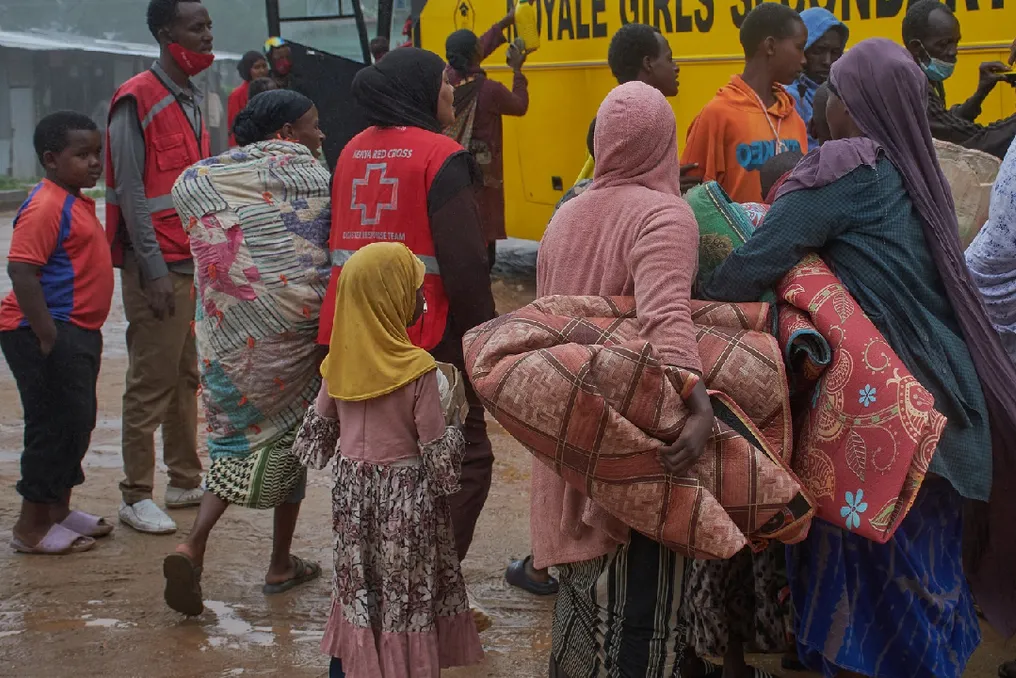
UNHCR warns: nearly 90 million displaced people face serious climate risks
Read more
cgtn.com

UNHCR warns: nearly 90 million displaced people face serious climate risks

The UN Refugee Agency (UNHCR) has called for urgent action to protect millions of refugees and people forcibly displaced by climate change. The agency warns that climate financing is not reaching many communities that are in the highest risk zones.

A report published ahead of the 31st UN Climate Change Conference (COP31) in Antalya, Turkey, indicates that about 90 million forcibly displaced people, which constitutes three-quarters of the global total, live in countries exposed to high or extreme climate hazards. These hazards include severe droughts, deadly floods, and abnormal heat.

UNHCR emphasizes that many displaced persons face additional threats in host countries where opportunities and resources for climate change adaptation are extremely limited. The report, titled 'No Escape III: Displaced Voices from the Frontlines of the Climate Crisis,' contains moving testimonies from eight representatives of displaced communities. These personal stories demonstrate not only the difficulties associated with climate change but also the resilience and innovative local solutions these communities use to overcome the circumstances.

The report notes an alarming trend: more than two-thirds of refugees who returned home in the first half of 2026 went back to countries that are highly vulnerable to climate threats. This calls into question the sustainability of their returns, especially in places like Syria, where returning refugees face declining groundwater levels and serious disruptions due to climate change.

Extreme heat is also a critical problem, particularly in Sub-Saharan Africa. UNHCR predicts that by 2050, one of the three refugee settlements in this region may experience at least 100 days of dangerous heat annually. For example, in Ethiopian settlements such as Helawayn, dangerous temperatures could exceed 200 days a year, posing significant health risks and threatening livelihoods.

Furthermore, the report highlights the enormous scale of climate displacement: over 255 million internally displaced persons caused by natural disasters have been registered globally over the last decade, averaging about 70,000 displacements daily. East Africa is particularly vulnerable; forecasts suggest that El Niño-related severe flooding could lead to the displacement of up to three million people in Somalia, Kenya, South Sudan, and Uganda by the end of 2026.

Despite these pressing issues, fragile and conflict-affected states receive only about 10% of global climate finance, even while hosting large numbers of vulnerable displaced populations. To address this, UNHCR advocates for increased investment in climate adaptation and highlights community-led initiatives in regions such as the Sahel, Uganda, and Colombia, showcasing solutions including solar-powered water supply and climate-resilient agriculture.

At COP31, UNHCR intends to stress the need to include refugees in national climate action plans and calls for a shift from short-term humanitarian aid to sustainable, locally managed solutions.

International Energy Forum in Xi'an Calls for Enhanced Global Cooperation in Clean Energy
Read more
cgtn.com

International Energy Forum in Xi'an Calls for Enhanced Global Cooperation in Clean Energy

The 15th International Forum on Energy for Sustainable Development was held in Xi'an, gathering about 300 participants. This marked the first time this event has been held in China.

The forum concluded with the signing of the Xi'an Declaration, which calls for strengthening international energy cooperation. Delegates, speaking before CGTN, highlighted China's achievements in clean energy and emphasized the critical importance of joint international efforts to advance the global energy transition.

Popular