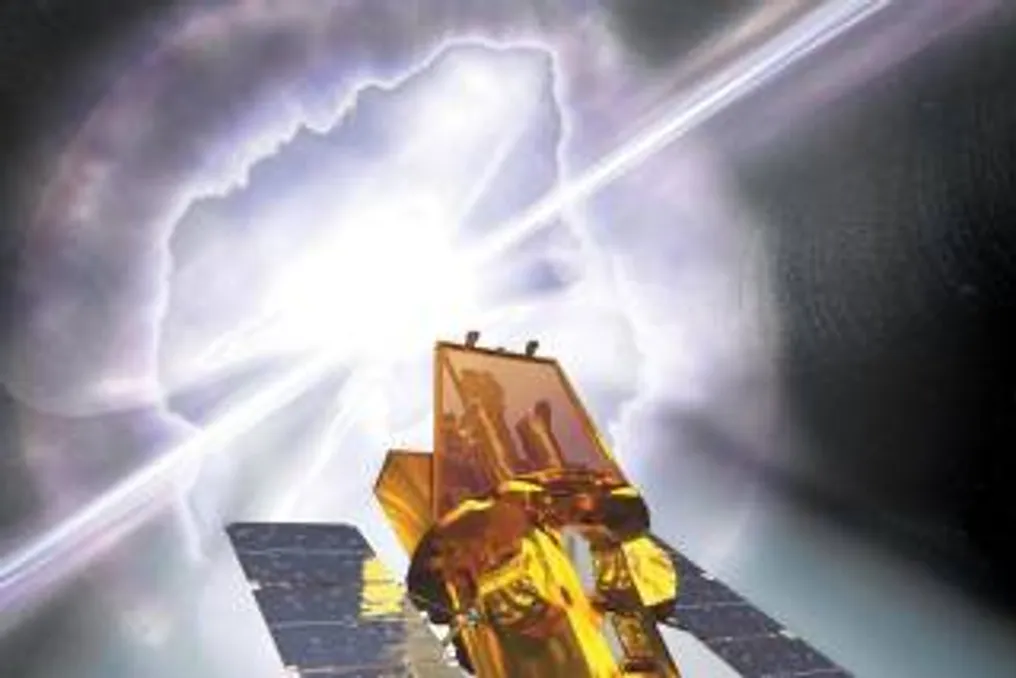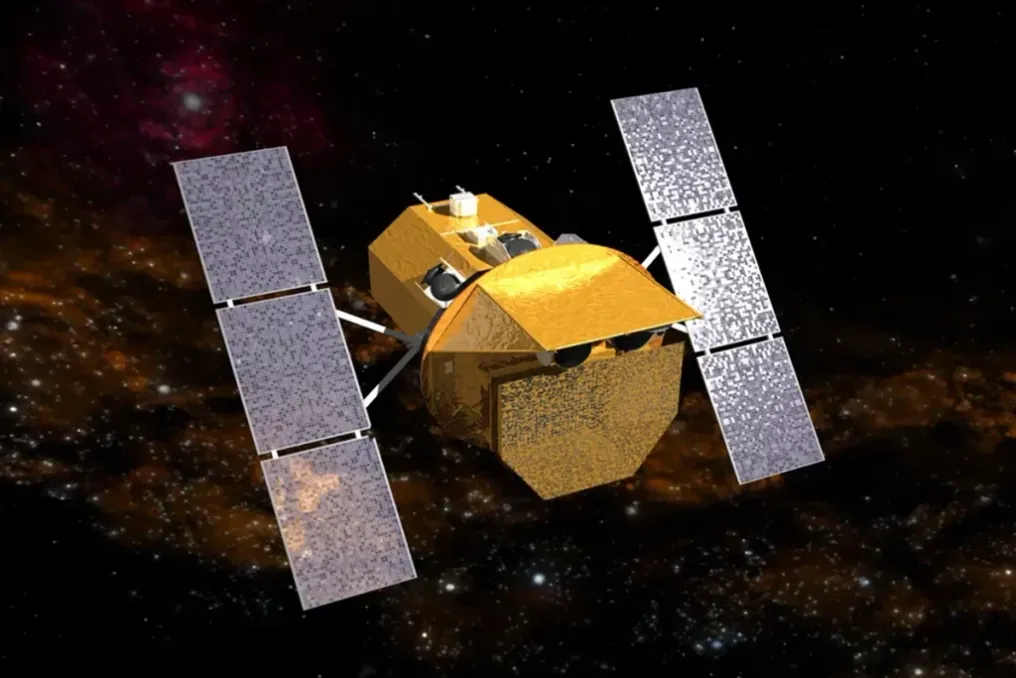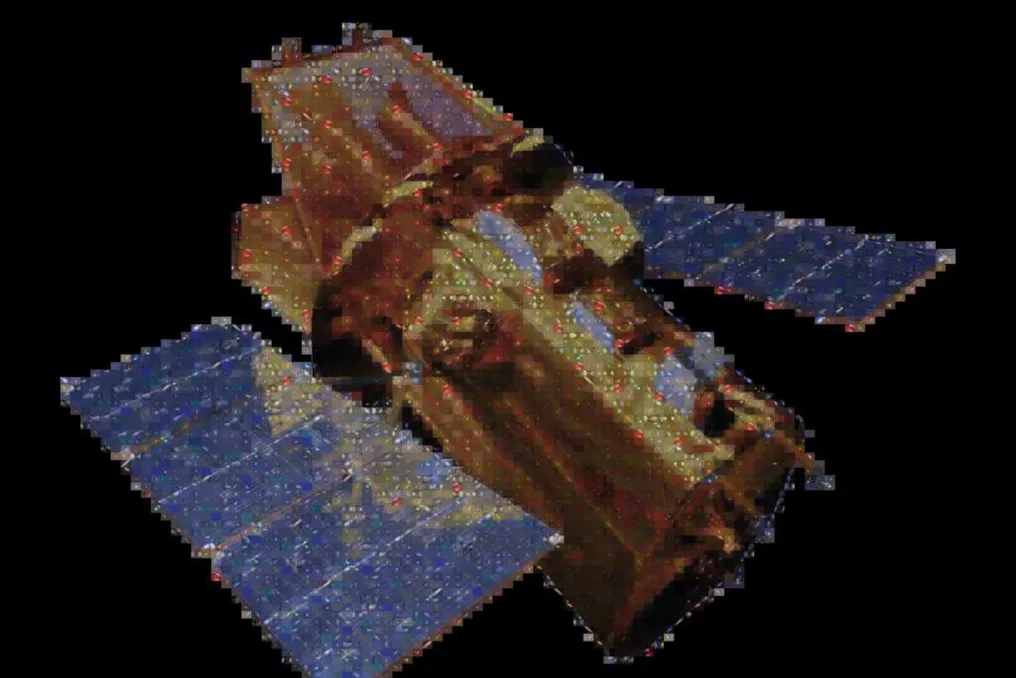
NASA has released a mosaic consisting of approximately one million photos captured by the Neil Gehrels Swift Space Observatory. This record presents a small selection from the vast amount of data generated by the equipment over almost twenty-two years of operation, offering a visual overview of its study of some of the most powerful phenomena in the Universe.
The US agency selected this image for the edition of Friday (6) of the Astronomy Picture of the Day. The mosaic was created in 2018, using some of the first photographs recorded by the Swift Ultraviolet/Optical Telescope.
This material transcends mere visual composition, representing part of the legacy of an observatory that assisted astronomers in investigating gamma-ray bursts, supernovae, black holes, and other cosmic events.
The release held additional significance because Swift concluded its mission on Wednesday (4), re-entering Earth's atmosphere after nearly two decades in space.
The mosaic was assembled from records obtained by the observatory's ultraviolet/optical telescope. This instrument had the capability to monitor celestial bodies across various wavelengths, complementing observations made by the mission's other instruments.
The composition includes a considerable number of photographs taken in the early years of Swift's operation. Each record helps delineate the scientific scope of the observatory, which analyzed different areas of the sky and tracked short-duration astronomical events.
The telescope played a crucial role in observing gamma-ray bursts, which are extremely high-energy events that can last from fractions of a second to several minutes. Such bursts are among the most intense phenomena known to astronomy, making rapid identification and subsequent observation essential to understand their causes and consequences.
The mosaic's publication occurred concurrently with the end of the mission. On Wednesday, the observatory re-entered the Earth's atmosphere over the North Sumatra area of Indonesia at 9:39 AM (Brasília time).
This re-entry resulted from the progressive loss of altitude, intensified by increased solar activity. The heating of the upper atmosphere caused it to expand, increasing drag on the satellite.
NASA attempted to extend the mission's lifespan through a rescue operation involving the company Katalyst Space. The plan involved sending a robotic spacecraft to capture the observatory and boost it into a higher orbit, but failures in the guidance system prevented the operation from succeeding.
Even inactive, Swift will remain valuable to science, as its data will remain accessible to researchers, who can explore the archive accumulated over almost twenty-two years in search of new discoveries.
The mosaic presented by NASA thus serves as a visual tribute to this journey: a collection of images symbolizing part of the work of an observatory dedicated to studying the most extreme events in the Universe.