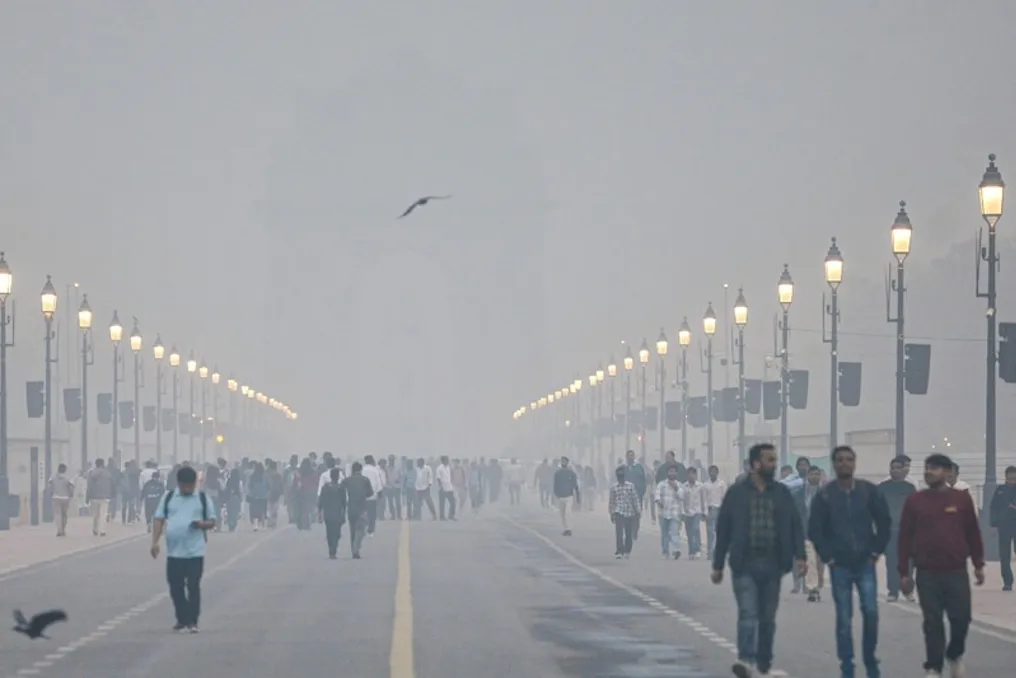
The Supreme Court stated that attempts to solve the air pollution problem in Delhi, despite significant judicial efforts, have only led to marginal improvement because people tend to violate the imposed restrictions with greater force.
The judicial bench, which included Chief Justice Surya Kant, along with judges Joymalya Bagchi and Vi Mohan, analyzed numerous orders and subsequent monitoring of their implementation aimed at improving air quality. The judges noted that achieving a clean air level below 100 (AQI) during the winter in Delhi is a utopian goal, as 'very poor' and 'severe' conditions have become the new norm.
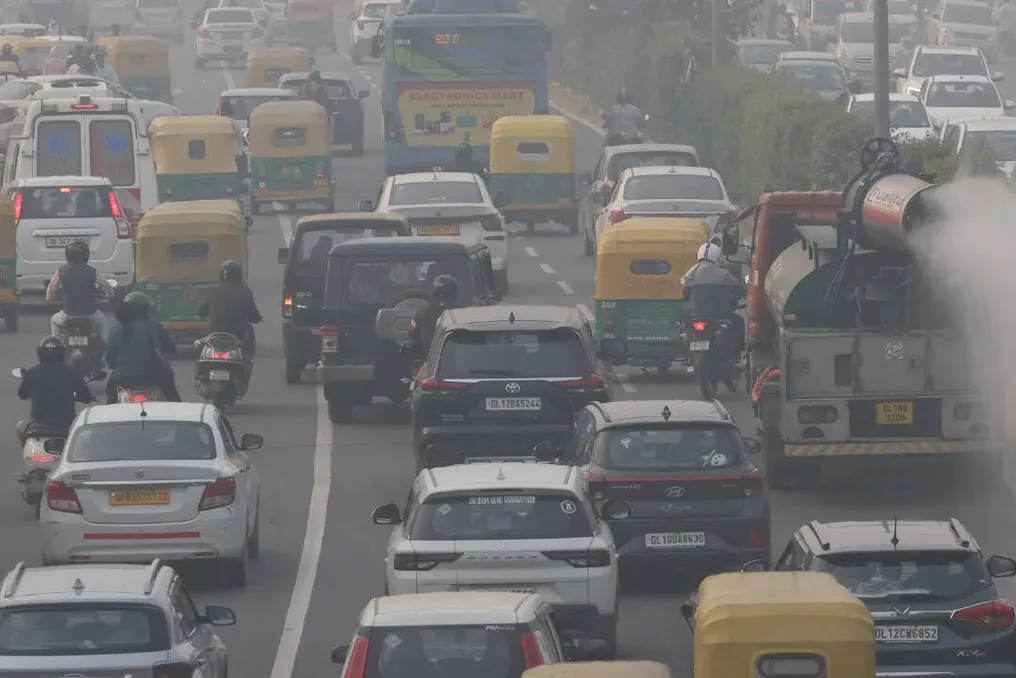
When amicus curiae advocate and senior counsel Aparajit Singh drew the court's attention to the spread of news about selling regular firecrackers as 'green crackers' and linked the rise in pollution to this phenomenon, the bench noted that there had been severe traffic congestion in the capital in recent days. The presence of a large number of vehicles on the roads for extended periods likely increases the pollution load.
Additional General Advisor Aishwarya Bati explained the traffic jams due to the festive season, while senior counsel Sanjeev Sen, representing MCD, pointed out that the culture of gift-giving has become one of the main reasons for the sharp increase in road traffic.
At this point, Singh brought to the court's attention that selling regular firecrackers under the guise of 'green crackers' is a gross violation of judicial directives, warning of a possible sharp rise in pollution levels after Diwali.
The bench emphasized that Diwali celebrations must be accompanied by public awareness campaigns, as awareness is what can stop pollution. It was noted that no amount of restrictions will help, and the more court orders there are, the more violations occur, which is a human tendency. The court decided to follow expert advice.
The Chief Justice stated that local councilors must conduct awareness work among the population. The bench reported the adoption of certain orders and requested compliance in the NCR states.
Bati informed the court that the Commission for Air Quality Management (CAQM), an expert body responsible for developing and implementing short-term, medium-term, and long-term measures to combat air pollution, has introduced the Graded Response Action Plan (GRAP). She explained that each stage of GRAP activates additional restrictions, such as halting construction, banning entry of BS-IV standard vehicles, water spraying, and phased changes in office working hours. Furthermore, the number of public transport using clean fuel has been significantly increased. However, Bati added that all human activities contribute to pollution, noting that factories in Delhi operate on clean fuel, and thermal power plants have been closed.
She indicated that the main pollution load comes from vehicles, given the huge number of them in Delhi. The Additional General Advisor stated that the primary sources of pollution in Delhi are vehicles and other local sources. Stubble burning in winter, which has sharply decreased in Haryana and to some extent in Punjab, exacerbates the situation due to Delhi's unique geographical location and wind direction, making the national capital a recipient of pollution.
Singh stressed the importance of monitoring the implementation of anti-pollution measures and complained that vehicles continue to idle at MCD toll plazas at 126 entry points. Sen refuted this claim, stating that after integrating technology, no vehicle idles at any of the nine toll plazas serving 90% of commercial traffic in Delhi.