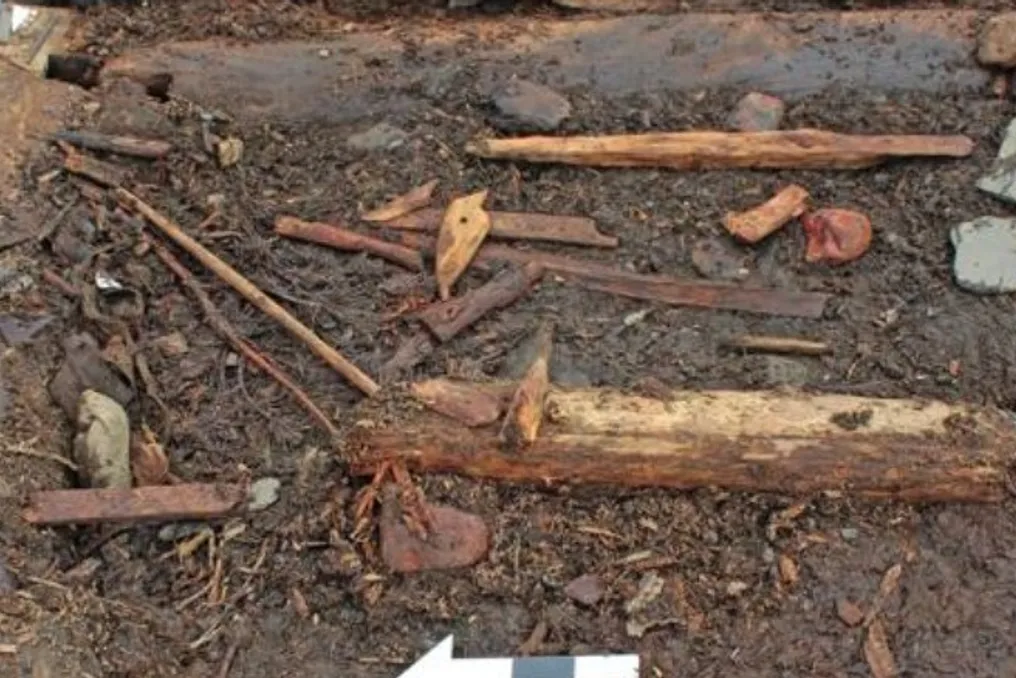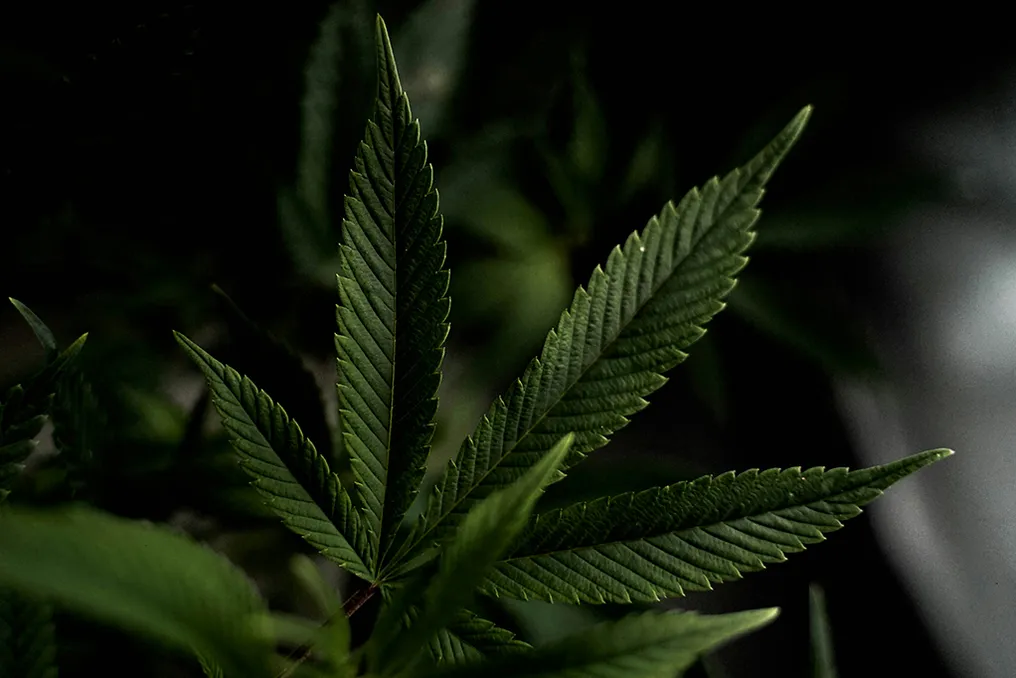
A discovery in a tomb dated to approximately 2,800 years ago, located in the far south of Siberia, Russia, has provided the oldest known evidence of psychoactive cannabis consumption. Archaeologists found plant seeds among the burial artifacts, as well as chemical traces of its composition in human hair found inside the site.
This site was the last dwelling of high-status individuals belonging to the Citas, a group of nomadic tribes of Iranian origin that dominated the Eurasian plains between 900 BCE and 3 CE. Although this people left no written records, archaeological sites like Tunnug 1, where the tomb was found, help elucidate their way of life.
These burials are part of a funerary treasure characterized by small artificial mounds erected to house the aristocracy. Dozens of sacrificed horses lie in these mounds, along with various human bones. Among these items, archaeologists recovered nearly a thousand cannabis seeds, estimated to have been deposited around 790 BCE.
The seeds were small and resembled wild cannabis, differing from modern varieties that have undergone artificial selection. Although the plant is often associated with warmer climates, it grows naturally throughout Central Asia, suggesting it was locally harvested by the Citas people of the time. However, the mere presence of the seeds would not be sufficient to confirm consumption.
Researchers obtained a crucial additional clue: a preserved human hair strand, dated to the same period as the seeds, found in Tunnug 1. Unlike other materials, hair resists decomposition, and as it grows, it retains circulating substances in the body, creating a lasting chemical record after death.
Chemical analyses performed on this hair strand confirmed the presence of cannabinol—a compound generated by the oxidation of THC (the psychoactive active ingredient in cannabis)—as well as traces of THC itself. This indicates that the individual who consumed the plant experienced psychoactive effects.
Although it is not possible to determine the method of consumption by the Citas—whether it was smoked or if the seeds were ingested—it is clear that they used the plant. These findings were published in the journal Science this Thursday (5). The inclusion of seeds in elaborate burials raises questions, leading researchers to speculate that cannabis use might be linked to funeral rituals or human sacrifice practices.