Yemail Arquitectura's 'Instructions for Speaking with Birds' Project in Punta del Lacho
Read more
ArchDaily Brasil
archdaily.com.br

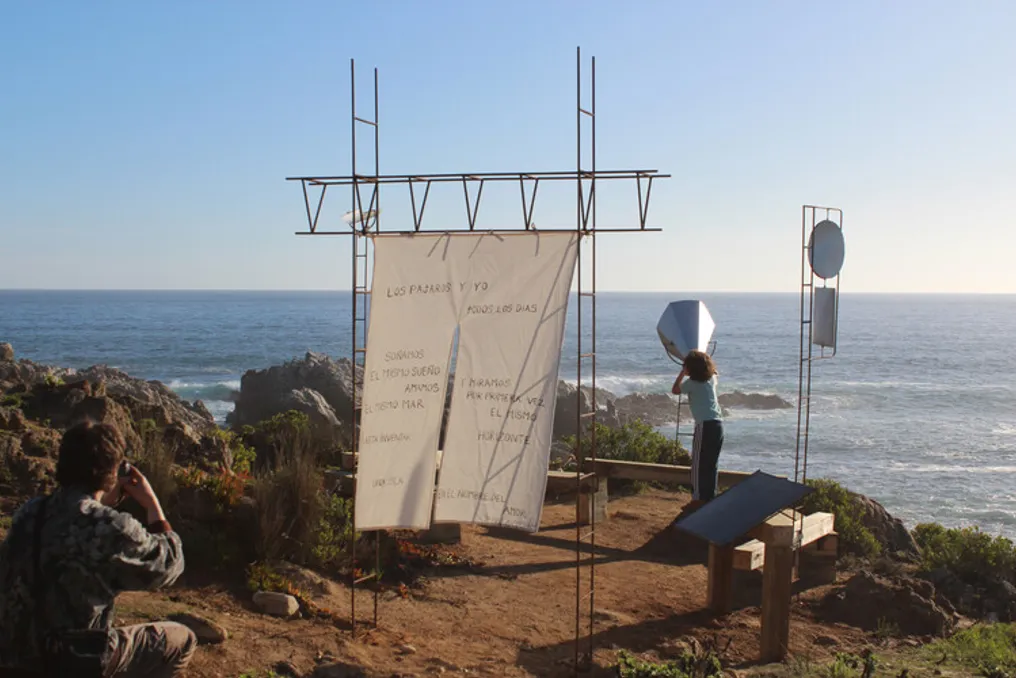
Yemail Arquitectura's 'Instructions for Speaking with Birds' Project in Punta del Lacho

The architectural intervention titled 'Instructions for Speaking with Birds' was developed by Yemail Arquitectura. This project is located in Punta del Lacho, which belongs to the commune of El Tabo, an area known as the 'coast of poets' on the Chilean Pacific.

This Chilean geographical region is characterized by the convergence of elements such as the sea, rock, wind, cultural memory, and the works of notable poets, including Vicente Huidobro, Pablo Neruda, and Nicanor Parra.

The site of the intervention is near the Coastal Station of Marine Research of the Pontifical Catholic University of Chile and was created within the context of the AULA from LA ESCUELA___ and the Residencia Barco.

The space in question is not seen merely as a landscape, but rather as a dynamic territory. In this territory, birds, insects, vegetation, tides, visitors, and neighboring communities coexist under a condition of shared fragility.

Similar stories

Torquato Neto's poems are translated into English for the first time in a collection organized by an American professor
Read more
g1.globo.com

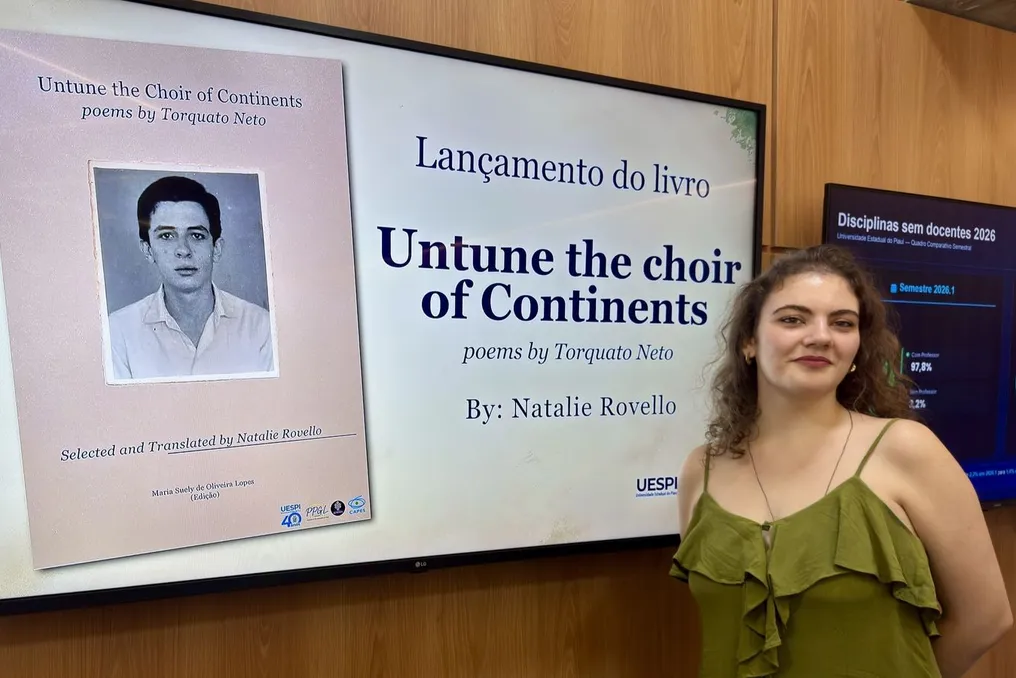
Torquato Neto's poems are translated into English for the first time in a collection organized by an American professor

The poems of the Piauí writer Torquato Neto were translated into English for the first time in a collection released by the State University of Piauí (Uespi) on Tuesday, the 27th, in the city of Teresina. The digital book, titled Untune the Choir of Continents – Poems by Torquato Neto, was organized and translated by the North American professor Natalie Rovello, who belongs to the University of New Mexico, located in the United States.

This work gathers texts created between 1961 and 1971, in which personal concerns, daily experiences, and political themes are explored. The e-book is freely available through the university publisher's portal.

Natalie arrived in Teresina in March of this year, participating in the Fulbright program, where she worked as an English language teaching assistant at Uespi. With a background in Art History, she already recognized the relevance of Torquato Neto to Brazilian counterculture and decided to deepen her studies of the poet's work during her stay in Piauí.

According to the professor, Brazilian literature still has little translation into English compared to other literary traditions. She argues that translating Brazilian authors allows international readers to see aspects of the country's culture and history.

Who was Torquato Neto

Born in Teresina in 1944, Torquato Neto worked as a poet, journalist, and lyricist, and was also one of the names associated with the Tropicalist movement, which left its mark on Brazilian music and culture in the late 1960s.

His artistic production was characterized by experimentation and cultural contestation during a period of military regime in Brazil. The writer addressed social issues and individual anxieties in his poetry and song lyrics. Torquato Neto died in 1972, at the age of 28, in Rio de Janeiro. His work remains a fundamental reference for Brazilian literature and counterculture.

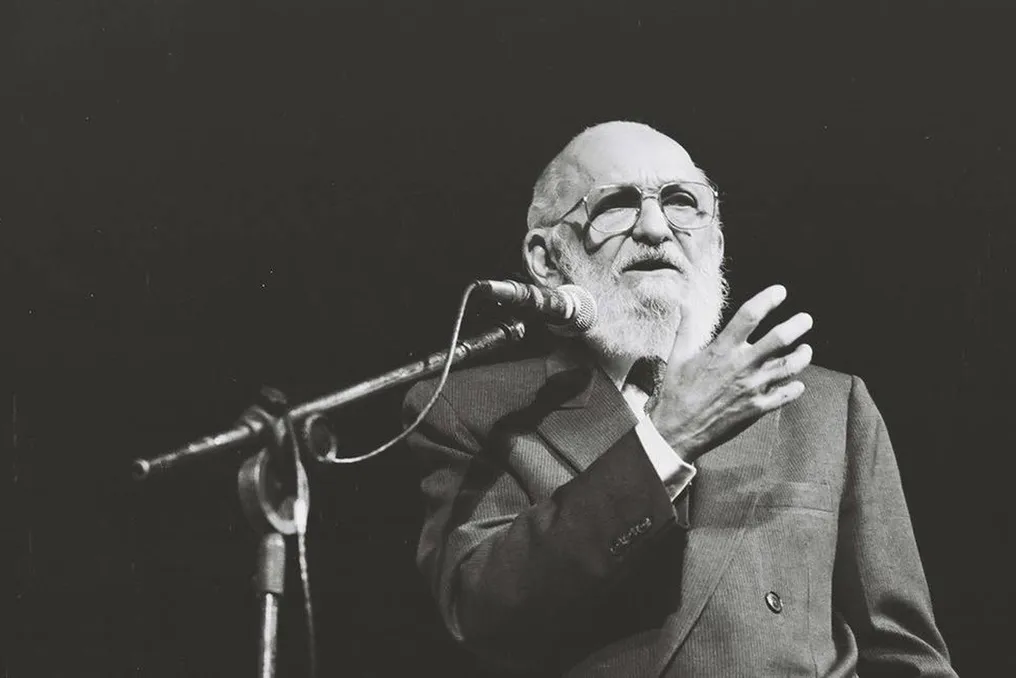
Paulo Freire's experience in Angicos recognized as intangible cultural heritage of Rio Grande do Norte
Read more
g1.globo.com

Paulo Freire's experience in Angicos recognized as intangible cultural heritage of Rio Grande do Norte

The initiative known as "40 Hours of Angicos," coordinated by educator Paulo Freire in 1963 in the city of Angicos, has been officially recognized as Intangible Cultural Heritage of Rio Grande do Norte. This decision was formalized in this Tuesday's (27th) Official Gazette.

This literacy project was implemented in the municipality of Angicos, located in the interior of the state. The recognition covers all aspects related to the experience, including oral accounts, knowledge, pedagogical practices, and the memories of the communities and individuals who participated.

As established by legislation, the purpose of this recognition is twofold: to preserve the collective memory of those involved and to stimulate research, in addition to promoting the dissemination of historical and cultural references linked to the project. Furthermore, it aims to transmit this legacy to future generations and highlight the relevance of Angicos to the trajectory of Brazilian education.

The official text clarifies that such recognition does not annul the administrative procedures for inventory and registration provided for in cultural heritage protection standards. Nor does it impose on the state education network the adoption of a specific pedagogical method or promote changes in school curricula.

The 40 Hours of Angicos

In 1963, Freire introduced an innovative model of popular education in the city of Angicos, located in the West of Rio Grande do Norte, which at the time had approximately 9.5 thousand inhabitants. The educator set an ambitious goal: to teach adults to read and write in just 40 hours. The first class had 380 registered participants, about 300 of whom completed the course, which took place between January 28 and April 2.

The Paulo Freire method focuses on adult literacy through the discussion of their mutual experiences, using words extracted from the reality of the students themselves, which are later decoded to aid in acquiring writing and understanding the world.

Freire structured his literacy method based on people's life experiences. Instead of using standardized teaching materials, such as teaching phrases like "the bull baba" or "grandma saw the grape," he worked with so-called "generating words" that came from the reality of the common citizen.

A practical example shows that a factory worker could learn terms like "brick" or "cement," while a farmer would learn vocabulary such as "sugarcane," "hoe," "earth," and "harvest." The formation of new vocabulary occurred through the phonetic decoding of these words.

The coordination of Paulo Freire's arrival in Rio Grande do Norte began in 1962, under the management of the then governor Aluízio Alves, a native of Angicos, and was facilitated by the Secretary of Education Calazans Fernandes. The intention was to extend the Paulo Freire program throughout the state to reduce illiteracy rates; however, the educator was exiled in 1964 after the military coup, accused of subversion.

Filigree tradition found in Buenos Aires, recognized by UNESCO
Read more
viagemeturismo.abril.com.br

Filigree tradition found in Buenos Aires, recognized by UNESCO

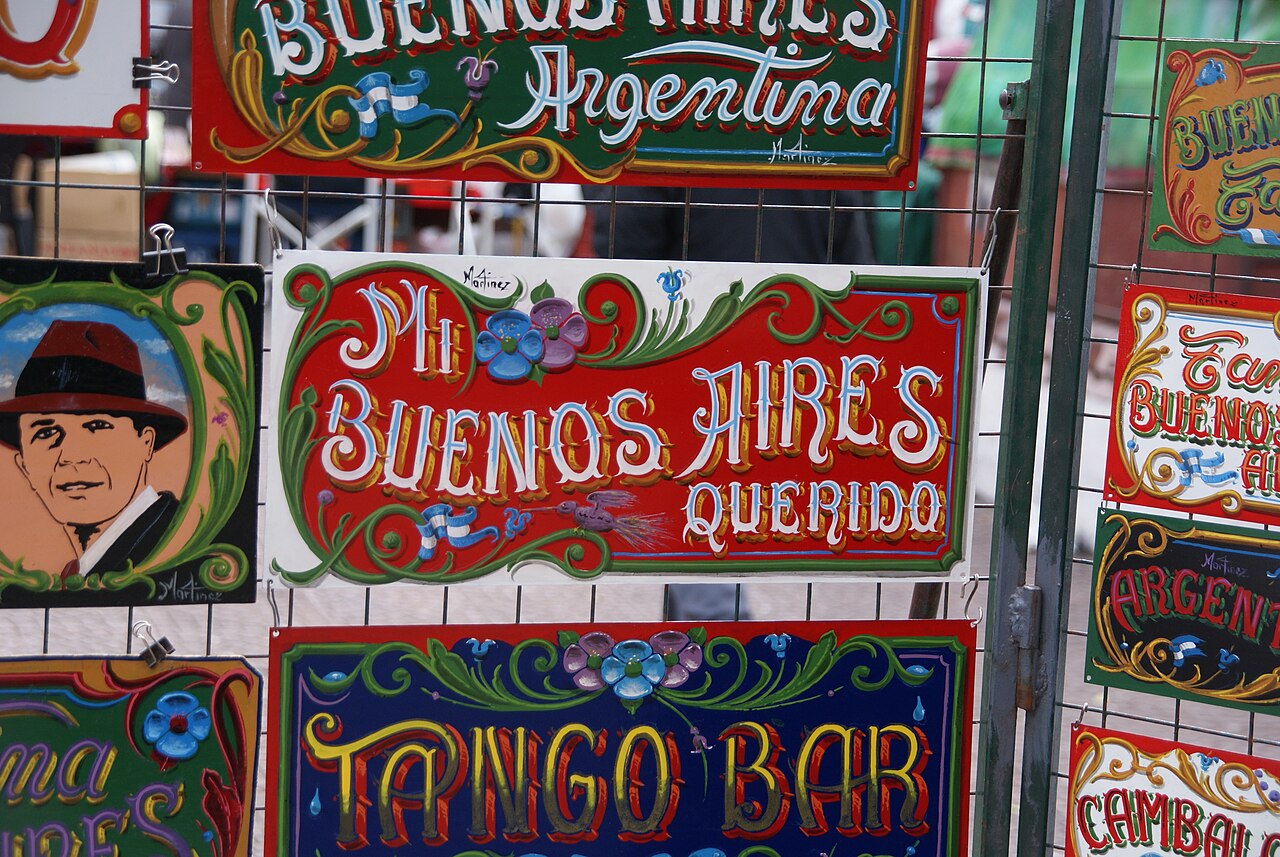
The filigree tradition, present in Buenos Aires, uses cursive letters and Gothic-inspired typography. The brushes employed in this painting are specific, possessing fine and elongated bristles, which allows for the creation of the characteristic strokes of this style.

Visitors to the Argentine capital can see filigree in multiple locations, ranging from vehicles such as buses and trucks to signage and facades of commercial establishments and residences. In 2015, this technique was recognized by Unesco as Intangible Cultural Heritage of Humanity.

Porteño filigree originated in Buenos Aires during the transition to the 20th century. Initially, its function was to decorate animal-drawn carriages used for transporting food and goods. Over time, the technique was integrated into the city's culture, becoming particularly associated with signs, shop windows, and trucks.

Artistic representations generally address social, religious, and cultural themes of the country, presenting icons that depict saints, political figures, renowned musicians, and football idols. Furthermore, popular phrases and proverbs in Castilian Spanish are quite common, often serving as a record of national collective memory.

Notable places to appreciate filigree

Although filigree is spread throughout the city of Buenos Aires, there are specific points worth noting. San Telmo, a neighborhood known for its bohemian atmosphere, serves as a notable example, considered an open-air museum dedicated to filigree, filled with murals and decorative signs.

One such location is Bar El Federal, located at Carlos Calvo Street, 599. This historic spot features a magnificent filigree mural and is often chosen as a starting point for cultural tours of the Argentine capital.

The San Telmo Market, located at Defensa Street, 1098, offers visitors fairs, antique stalls, and stands that help preserve signs and posters in this traditional artistic style. The Church of San Pedro González Telmo also displays various filigree works created by the influential master Martiniano Arce, one of the main exponents of Porteño filigree who remains active today.

The Abasto neighborhood area is strongly linked to tango culture, especially the memory of the singer Carlos Gardel, a celebrity figure for popularizing the musical genre. Both Jean Jaurès Street and adjacent streets are famous for forming a busy route to observe colorful facades and murals painted in filigree.

Additionally, the famous La Boca neighborhood, which houses the team Boca Juniors and the tourist attraction Caminito, is on the list of interesting places, displaying colorful facades adorned with the filigree style, linked to Argentine football iconography and the region's port history. The Boedo neighborhood, known for its bohemian atmosphere, with streets full of charming cafes and bookstores, also incorporates this decorative style on facades, usually in commercial establishment and bar signs.
Popular