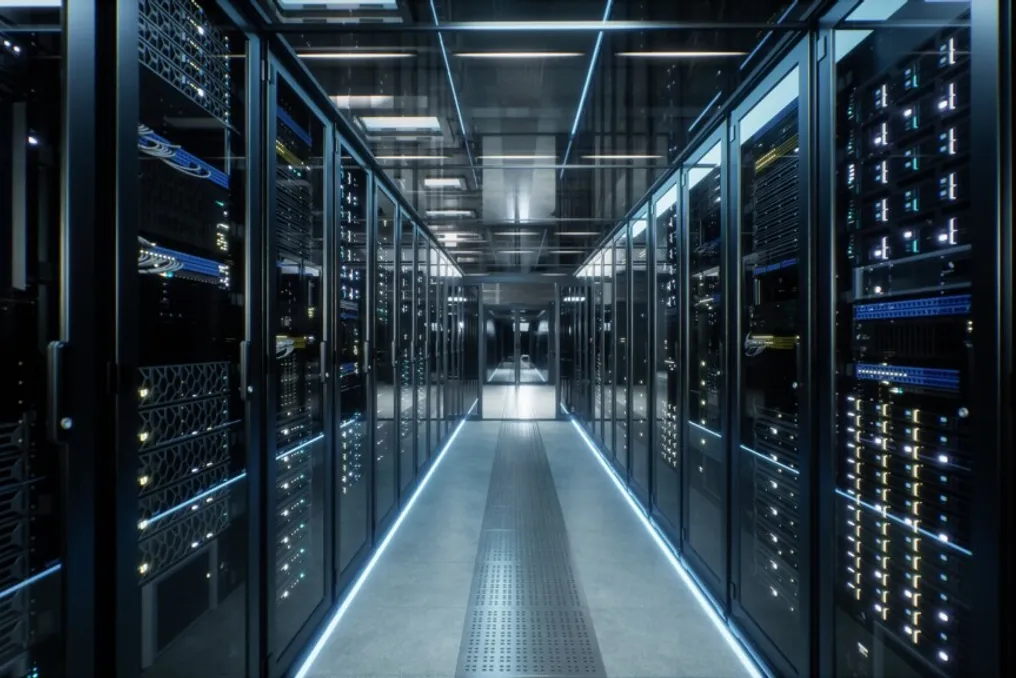
Lisa Su, CEO of AMD, recently stated that the company adopts the stance of being a data center focused company. This declaration raised questions about whether AMD would be relegating the gaming and personal computer (PC) market to a secondary position.
The statement was made during an interview given by Lisa Su to Yahoo Finance on November 5th. It is important to note that the executive did not state that AMD will become exclusively a data center company, but rather that this sector already receives priority within the company.
There is a clear justification for this shift in focus: in the third quarter of 2026, the data center segment alone generated US$ 8.55 billion in revenue for AMD. In contrast, the segments for PC solutions (including the Ryzen line), gaming (such as chips destined for PS5), and embedded systems totaled just under US$ 5 billion in the same period.
This indicates that the data center sector is responsible for approximately 65% of AMD's total revenue currently. This increase in demand for infrastructure is not surprising, given that the accelerated growth of artificial intelligence applications is driving this type of need globally.
AMD primarily supplies the data center sector with its Epyc processors and Instinct graphics accelerators, with Instinct having been available since 2017. Since these products have coexisted for years with PC solutions, the fear of abandoning the gaming segment can be considered exaggerated.
However, the concern is understandable because the high demand for data centers has led many technology companies to migrate almost entirely to this niche, leaving the consumer market in a secondary position. An illustrative case of this was Micron, which discontinued the Crucial brand, aimed at PCs, at the end of 2025 to focus on data center memory.
Despite the justification for the apprehension, AMD has not signaled intentions to abandon the gaming or PC segments in general. As evidence, the company remains involved in Project Helix, which represents the next generation of Xbox. Furthermore, regarding high-performance PCs, the company continues to update its Ryzen X3D chip line.
However, one should not ignore the possibility that prioritizing investments in data center solutions may result in less frequent updates or lower availability of units for lines such as Radeon GPUs.
In summary, the scenario requires caution and attention, although it is not time to panic.