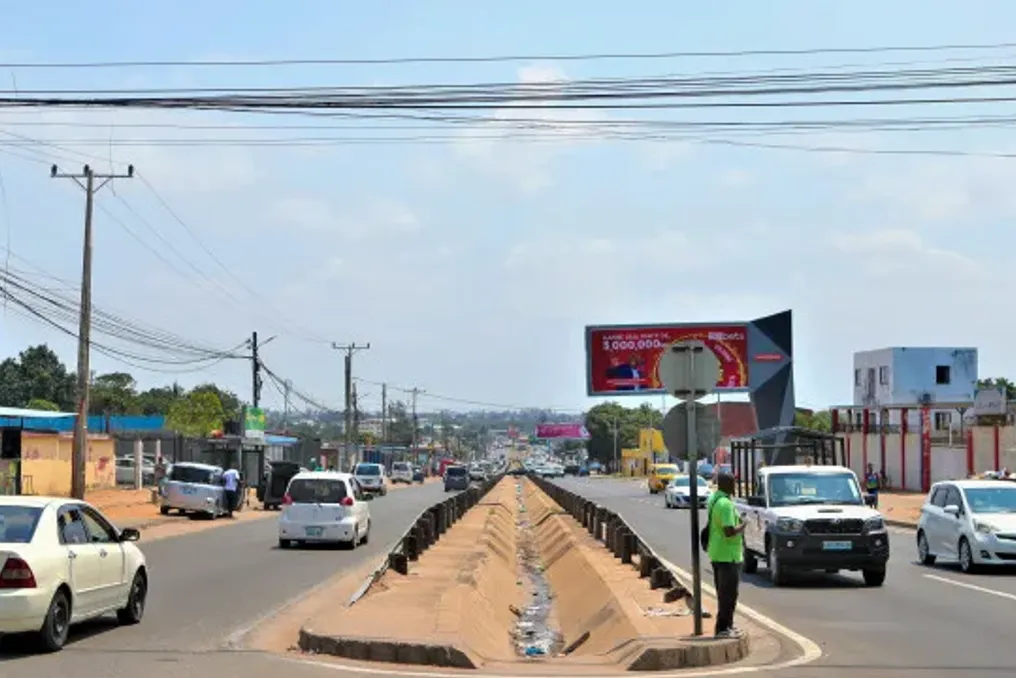
Government maintains transport tariffs in Maputo after agreement with operators
Read more
Noticias ao Minuto
noticiasaominuto.com

Government maintains transport tariffs in Maputo after agreement with operators

The Ministry of Transport and Logistics of Mozambique announced the maintenance of public transport tariffs in the capital agglomeration of Maputo. This decision was reached after an agreement with carriers, which provides for financial compensation for three months.

The agreement was concluded between the Government and the Federation of Mozambican Road Transport Associations (Fematro). This was reported by the national director of transport and safety, Alberto Matusse, in Maputo following several rounds of negotiations.

Matusse stated at a press conference that there would be no increase in public transport fares starting Monday, and passengers would continue to use services at the current tariff without any increases related to this agreement.

According to the director's report, the compensation ranges from 25 thousand meticais (about 350 euros) to 90 thousand meticais (about 1260 euros) monthly and per unit of transport, depending on the vehicle category. This measure is temporary and initially calculated for three months, during which the Government will support the operators.

This decision followed Fematro's announcement on October 30 of a plan to increase semi-public transport tariffs in the capital agglomeration by five meticais starting November 7. At that time, the minimum fare was 15 meticais (0.21 euros), while carriers initially demanded an increase of 20 meticais (0.28 euros), citing rising operating costs.

Responding to questions about carrier complaints, who claim they did not receive compensation in the previous support period, Matusse called for submitting supporting documents to sectoral representative structures for analysis by competent authorities. He emphasized that Fematro is ready to accept complaints and forward them to the relevant departments.

The director admitted that the financing of this support, guaranteed by the State Budget, may prove unsustainable in the long term, but considered it extremely difficult to pass the costs on to passengers through fare increases. Therefore, he advocated for continuing the dialogue to find sustainable solutions.

In turn, the president of Fematro, Paulo Matusse, confirmed the achievement of the agreement and noted that negotiations with the Government will continue to find a solution that meets the needs of operators without harming passengers. Matusse stated: 'We will continue to negotiate with the Government to find a long-term solution that will be good for the people of Mozambique and for carriers as a whole.'

In May, diesel and gasoline prices rose by 45.5% and 12.1% respectively, prompting carriers to demand a tariff review. To avoid an immediate increase, the Government introduced a temporary compensation mechanism that was in effect from June to August.
Similar stories

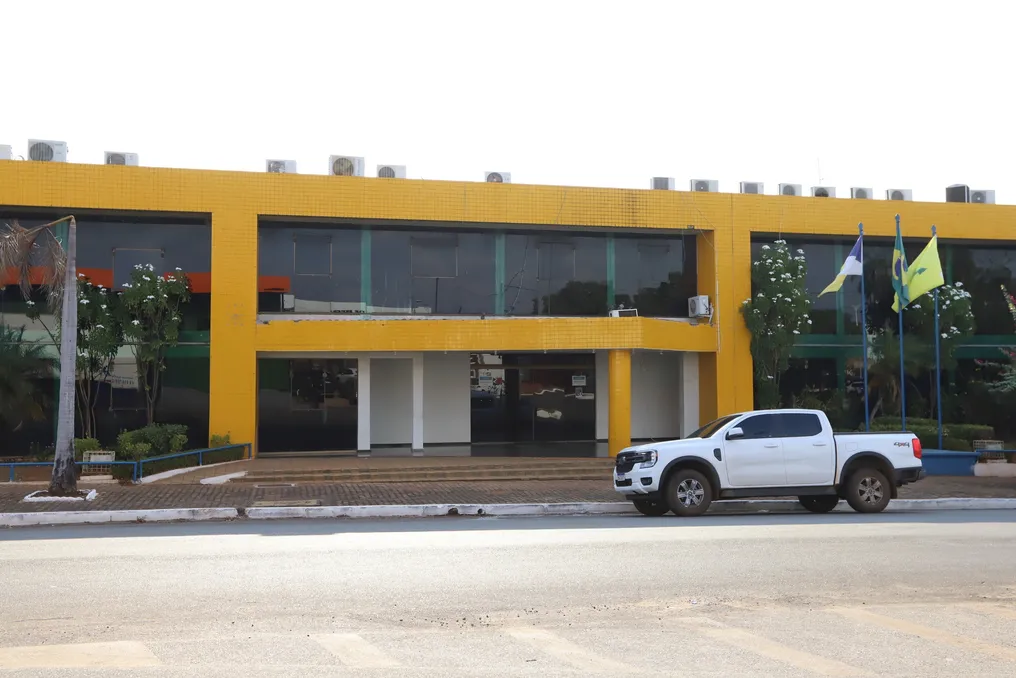
Porto Nacional City Hall zeroes bus fare all week starting in November 2026
Read more
g1.globo.com

Porto Nacional City Hall zeroes bus fare all week starting in November 2026

A municipal decree determined the free use of public transport in Porto Nacional, located in the central region of the state. This new measure will take effect on November 9, 2026, and will cover weekdays, holidays, and weekends.

According to the city hall, to use the service, presenting an access card or any other type of document will no longer be required. The official decree was published in the October 23 edition of the Municipal Official Gazette.

The decision was made taking into account a financial and impact feasibility study, in addition to safeguarding the 'social right to transport and leisure provided for in the Federal Constitution of Brazil of 1988.'

The Porto Nacional City Hall announced that there will be two buses available to serve the city center: one in active operation and another kept as a reserve. It was assured that the transport service in the district of Luzimangues will continue to be offered normally.

The operation of the service will be conducted by the company JMT CONSULTORIA PROJETOS E LOCAÇÕES LTDA. The decree specifies that the expenses for this program will be covered by its own budgetary allocations or by municipal funds dedicated to urban mobility, if necessary. However, the municipality has not yet disclosed the total cost of the operation.

Regarding values, the city hall informed that the estimated costs for maintaining the service and its validity period will be communicated as soon as confirmation is received from the responsible sector. The monthly cost of the operation will also be disclosed after the ratification of the contractual values.

The municipality emphasizes that if a resource shortage is found, the collection of the fare may be reinstated. If this occurs, the value will be defined through technical studies on operational costs. Other circumstances that may lead to the resumption of charging include a persistent economic-financial imbalance in the transport system that threatens the quality or continuity of the service, or any change in the guidelines of the municipality's mobility or macroeconomic policy.

São Paulo Administration begins control and fines for electric scooters and bicycles
Read more
autopapo.com.br

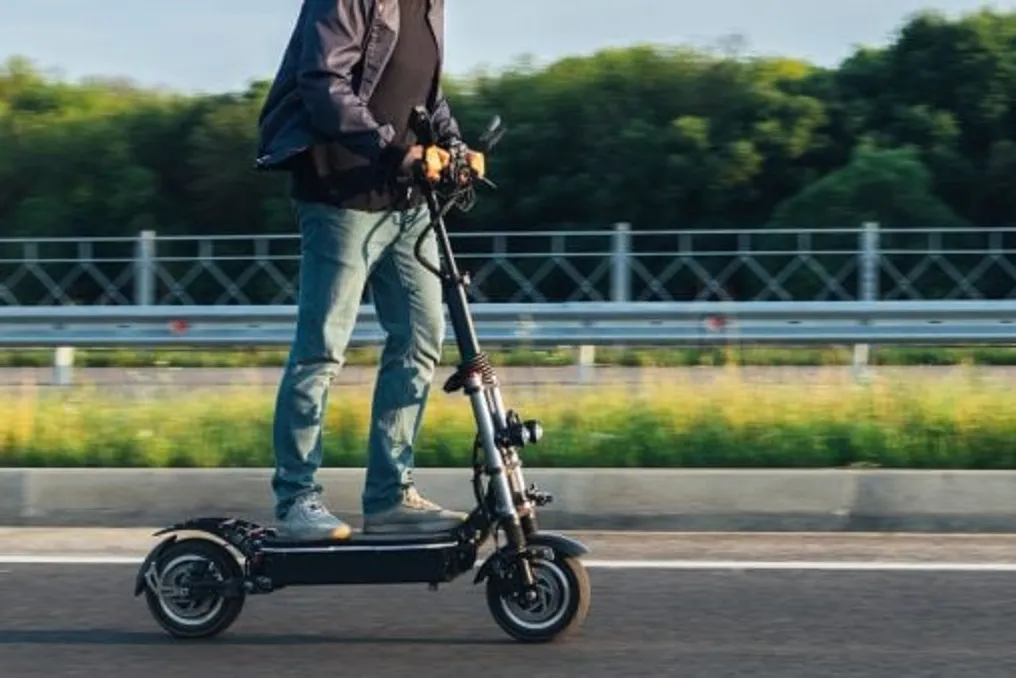
São Paulo Administration begins control and fines for electric scooters and bicycles

The city of São Paulo began stricter control over the movement of electric bicycles and personal motorized vehicles on October 13. The country's largest city is attempting to organize this mode of transport, which developed significantly faster than the infrastructure, road markings, and driver training.

Motorized vehicles are small electric devices with wheels and their own engine, classified as low-risk and low-speed. According to Resolution No. 996 of the National Traffic Council (Contran), they do not require registration or a driver's license, provided that factory limitations are observed, such as power up to 1000 W and a maximum speed of 32 km/h, among other requirements for equipment and dimensions.

Control in the capital is carried out by the Executive Secretariat of Mobility and Transport and the Engineering Movement Company (CET). Since these vehicles do not have license plates, the administration adopted another solution: violations are recorded against the driver's CPF.

According to Contran regulations, riding a bicycle in a pedestrian zone where movement is prohibited, or aggressive driving incurs a fine of 130.16 reais. When the rules came into effect, CET was still structuring the procedures for seizing, storing, and returning the equipment.

The most noticeable change in daily life concerns sidewalks. Scooters and other motorized vehicles are prohibited from being used on sidewalks, central flowerbeds with combined traffic, and other areas designated for pedestrians. Electric bicycles may move in these areas, but only at a speed of no more than 6 km/h—walking speed.

On dedicated bike paths and lanes without shared use with pedestrians, the limit increases to 20 km/h. However, on bike lanes located on sidewalks where space is shared with pedestrians, the maximum speed is again reduced to 6 km/h.

On streets without bike paths or lanes, the rules are divided by the type of operation. Electric bicycles and motorized vehicles with seated or standing operation can travel at speeds of up to 50 km/h. Scooters and standing-operated equipment can circulate only on streets with a limit of up to 40 km/h, and in extreme cases—up to 20 km/h. Bicycles and electric bicycles remain prohibited on high-speed roads and highways without shoulders.

Speed is measured by special limiters for electric bicycles and motorized vehicles installed in a way that does not record the speed of other vehicles—the latter continue to be monitored by traditional electronic radars. However, another aspect remains unresolved. Without a license plate, it is impossible to issue a fine remotely: to register a fine in the CPF, the agent must personally approach the driver and request the document. Added to this is the fact that the seizure and return procedures for the equipment were still under development when the rule came into force, meaning the effectiveness of control will depend less on the text of the regulation and more on the number of agents that CET can deploy on the streets.

Popular