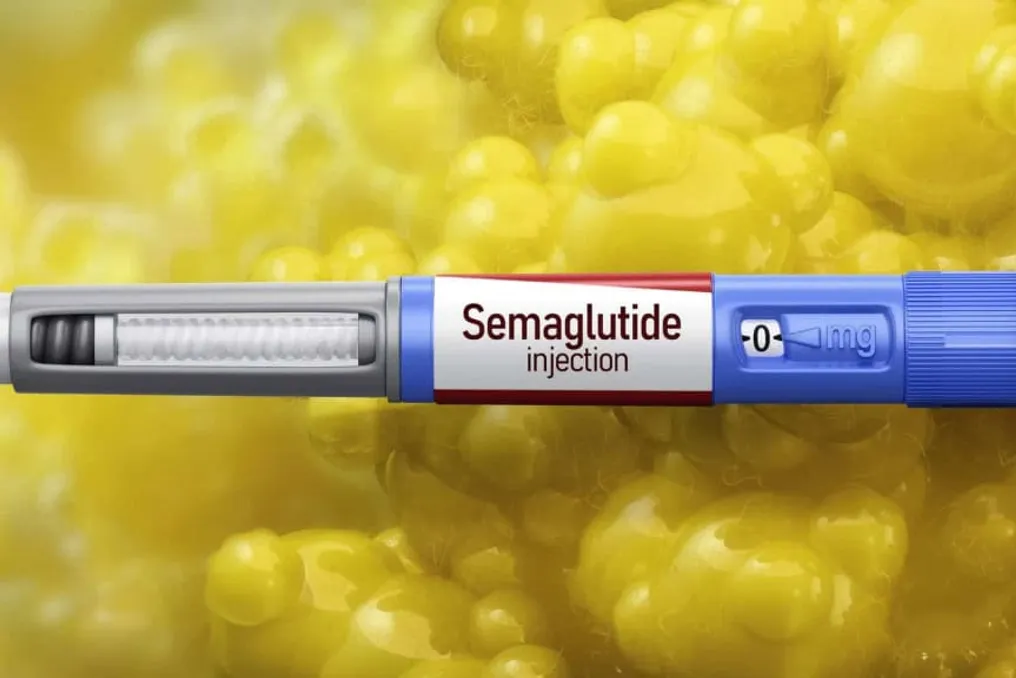
New semaglutide pen, called Semaclique, arrives in Brazilian pharmacies with set price
Read more
Olhar Digital
olhardigital.com.br

New semaglutide pen, called Semaclique, arrives in Brazilian pharmacies with set price

A new pen containing semaglutide, manufactured in Brazil, began to be made available in pharmacies this Friday, the 6th. This medication, named Semaclique, is distributed by Brace Pharma, which is part of the EMS Group, and costs R$ 464.81 per unit.

If the consumer purchases three pens, the unit price reduces to R$ 333, totaling R$ 999. The product received approval from the National Health Surveillance Agency (Anvisa) for use by adults with type 2 diabetes, although its authorized indication does not include the treatment of obesity.

Semaclique uses synthetic semaglutide, an active ingredient also found in the medications Ozempic and Wegovy. Although they share the same active component, the three drugs may have different indications approved by Anvisa; specifically, Ozempic is intended for type 2 diabetes, while Wegovy is used to treat obesity.

Semaglutide belongs to the class of GLP-1 receptor agonists. These medications work by mimicking an intestinal hormone that helps control blood glucose and modulate appetite. Their effects include stimulating insulin release when blood sugar levels are high, decreasing gastric emptying speed, and increasing the feeling of satiety.

The medication is administered weekly via subcutaneous injection. According to the manufacturer, the pen has a dose selection mechanism by clicks, allowing for progressive adjustments according to medical recommendation, without the need to buy a new package with each change. It is essential that the patient strictly follows medical guidelines and the instructions contained in the leaflet to determine the dose and make any necessary adjustments.

Like other semaglutide-based medicines, Semaclique can cause side effects. The most common ones are listed, but there are also less frequent, yet potentially serious risks, such as pancreatitis.

For purchase, presenting a two-part medical prescription is mandatory, one of which must be kept by the pharmacy. Furthermore, the product needs to be stored under refrigeration, maintained between 2°C and 8°C, even after starting use.

The introduction of Semaclique occurs after the expiration of the semaglutide patent in Brazil, scheduled for March 2026, which allowed new manufacturers to enter the market. During the year, Anvisa granted authorizations for various medications based on this substance and other GLP-1 agonists.

With these decisions, the number of registrations for medications in this class approved by Anvisa in 2026 reached 20. However, sanitary approval does not guarantee immediate availability in all pharmacies, as commercialization depends on subsequent phases, such as price fixing and distribution logistics by the manufacturing companies.

Although the arrival of new brands may intensify competition, this does not automatically guarantee a decrease in treatment costs. In the specific case of Semaclique, the comparison with existing alternatives depends on the prescribed dose, the quantity consumed, and the commercial conditions of each medication.
Similar stories

Anvisa approves Wegovy in tablets for obesity treatment in Brazil
Read more
olhardigital.com.br

Anvisa approves Wegovy in tablets for obesity treatment in Brazil

The National Health Surveillance Agency (Anvisa) has granted approval for the tablet version of Wegovy (semaglutide), a medication developed by Novo Nordisk. This launch represents the first oral drug of the GLP-1 agonist class authorized in the country to treat both obesity and overweight.

This new formulation allows for once-daily administration at a dosage of 25 mg, offering an alternative to the weekly injection administered with a pen. The authorization was formalized in the Official Gazette of the Union after the pharmaceutical company submitted the request on January 30th of this year.

Semaglutide works by mimicking the action of GLP-1, a hormone secreted by the intestine after meals. This hormone sends a signal to the brain indicating food intake, which results in decreased hunger and delayed gastric emptying, promoting greater satiety.

The need for a higher dose in the oral route is due to the fact that part of the substance is degraded in the stomach before reaching the bloodstream. For this reason, the tablet requires 25 mg daily, contrasting with the weekly maintenance dose of 2.4 mg of the injectable version.

In a clinical study fundamental to the approval, published in the scientific journal The New England Journal of Medicine, participants who used the tablet registered an average weight loss of 13.6% over 64 weeks. In comparison, the placebo group showed only a 2.2% reduction, demonstrating that the result approaches that obtained with the injectable version.

With the inclusion of Wegovy in tablet form, Brazil now has two oral forms of Novo Nordisk's semaglutide available, although with different indications. While the new medication is aimed at obesity and overweight, Rybelsus is used in the management of type 2 diabetes.

However, the availability of Wegovy in tablets in Brazilian pharmacies is still conditional upon the definition of its price. Novo Nordisk has communicated that the value has not yet been determined and plans to bring the medication to the national market during the next quarter.

Mozambique Government Assures Supply of Basic Medicines for Two Years
Read more
noticiasaominuto.com

Mozambique Government Assures Supply of Basic Medicines for Two Years

The Council of Ministers of Mozambique confirmed that the country has sufficient supplies of essential medicines for the next two years, despite persistent reports of drug and reagent shortages in various health units.

Inocêncio Impissa, spokesperson for the Council of Ministers, declared during the 31st ordinary session of the body, held in Maputo, that after receiving all requests, there will be no problems with the lack of basic medicines for at least the next two years.

Impissa informed that the first batch of medicines purchased by the health sector has already been received and that new shipments are expected soon. He admitted that temporary disparities in medicine availability may occur between provinces, districts, or health units due to the ongoing distribution process.

The spokesperson stressed that the overall supply of the system is guaranteed, adding that districts closest to the provincial medicine depot should already be receiving the items. The guarantee extends to vital medicines for the normal functioning of public health services and personal protective equipment, as requested by professionals.

The situation of interruption of health services in Mozambique, caused by frequent failures of essential medicines and supplies, occurs at a time of system fragility due to cuts in external funding, according to a report released in September.

This alert comes from a report by the Mozambique Health Cluster, a coordination platform for humanitarian assistance in the health sector, coordinated by the World Health Organization (WHO) and involving UN agencies and other entities operating on the ground, especially in Cabo Delgado, in northern Mozambique.

The document entitled 'Medicine Supply Chain in Mozambique: Ensuring Supply Amid Funding Uncertainty' points out that 79% of interviewed organizations reported constant or recurring absences of medicines and other crucial products in health units. Furthermore, half of these organizations indicated that such disruptions exceed one month.

Among the most affected items are antibiotics, analgesics, contraceptives, gloves, and wound dressings. Those responsible for the report warn that this scarcity not only leads to delays in care but often results in the complete paralysis of services for patients.

The study's authors advocate for greater articulation among donors, more stable funding for the entire medical supply chain, and support for migration to national funding sources, aiming to reduce dependence on external aid and ensure greater stability in population access to healthcare and medicines.

Popular