Uzbekistan has completed the analysis of the results of its Rural Infrastructure Development Project (RIDP), which was implemented from 2019 to 2026, and presented plans for its continuation under the second phase, named RIDP-2.
The new program will cover 296 mahallas across six regions and will focus not only on infrastructure renewal but also on entrepreneurship development and job creation.
Overview of the first phase of the project
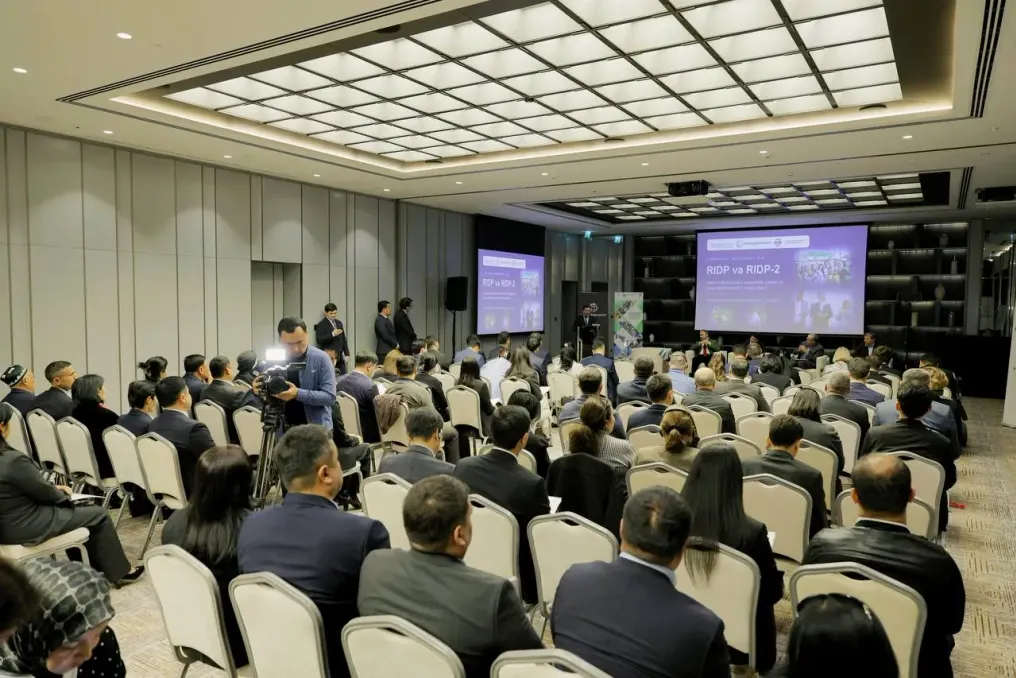
On November 4, the Ministry of Economy and Finance of Uzbekistan, together with the World Bank Group, held a conference to assess the achievements of the first phase of the project and discuss the transition to the next stage—Rural Infrastructure Development Project 2 (RIDP-2).
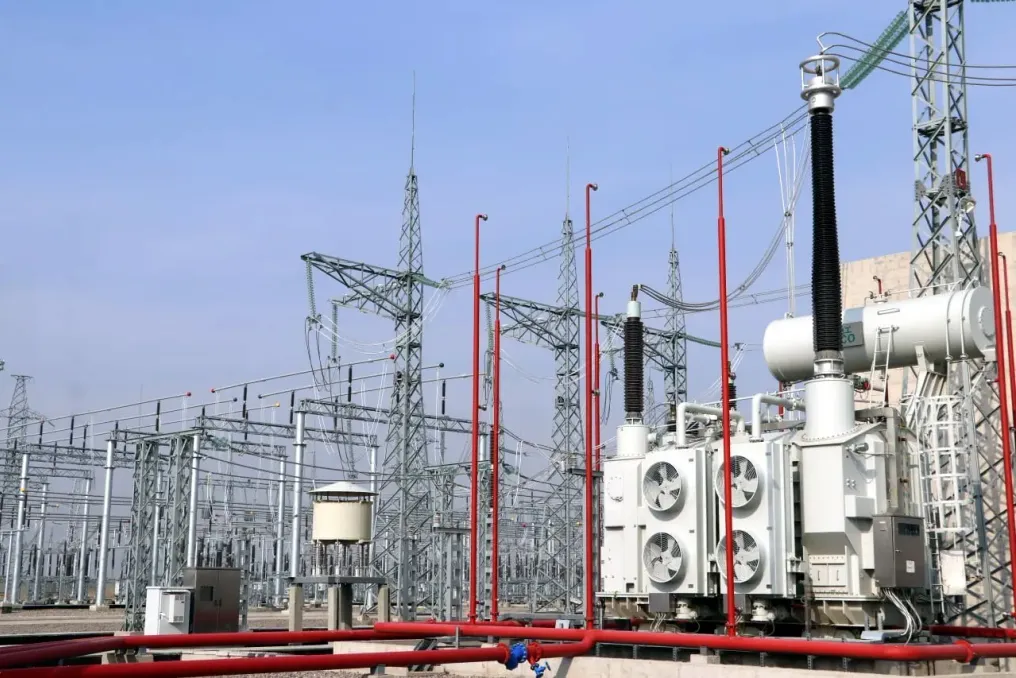
During the implementation of RIDP, approximately 900 infrastructure projects were completed in 306 mahallas across five regions of the country. These projects included the construction and modernization of over 340 roads, 220 power supply systems, and 160 water supply systems.
Additionally, about 100 schools, 40 preschool institutions were renovated, and 10 bridges were built in rural areas. The project directly benefited approximately 1 million rural residents, almost half of whom are women.
Financing and goals of the second phase
The total budget for RIDP-2 will be $320 million USD. Funding will be distributed as follows: the World Bank will provide $150 million, the Asian Infrastructure Investment Bank (AIIB) will contribute $100 million, and the Government of Uzbekistan will allocate the remaining $70 million.
The second phase plans to cover 296 mahallas in six regions. By 2031, the program is expected to benefit approximately 1.2 million rural residents, including 600,000 women and 300,000 youth.
The program will focus not only on improving living conditions through infrastructure construction and renewal but also on expanding economic opportunities for rural residents, supporting entrepreneurship, and creating new jobs.
Entrepreneurship support and community involvement
Under RIDP-2, joint centers for entrepreneurs engaged in agricultural processing and small-scale production are planned for 15 pilot mahallas. These facilities are intended to give local businesses the opportunity to grow and increase employment.
The work of 'Mahalla Seven' will play a special role in implementing the new phase. Their involvement is expected to encourage residents to participate more actively in determining development priorities for their mahallas, preparing initiatives, and monitoring project execution.
The experience of the first phase of RIDP showed that the effectiveness of investments in rural infrastructure largely depends on the participation of the local community. When residents themselves determine their most pressing needs and monitor project implementation, the resulting initiatives better reflect the needs of individual communities.
Thus, RIDP-2 aims to develop this approach by combining infrastructure investments with measures to support entrepreneurship, increase income, and expand employment. Special attention will be paid to women and youth, as developing the rural economy provides them with additional opportunities for employment and self-realization.