
Expert claims that respiratory syncytial virus infection in children is no longer seasonal
Read more
UzDaily
uzdaily.uz

Expert claims that respiratory syncytial virus infection in children is no longer seasonal

Respiratory syncytial virus (RSV) infection in children has ceased to be tied to cold months, and cases are now recorded throughout the year. According to Svetlana Rychkova, Doctor of Medical Sciences and Head of the Department for Organizing Pediatric Medical Care at the Federal Medical and Biological Agency (FMBA) in St. Petersburg, older children whose infections may be mild and resemble a common cold often become sources of infection for infants.

These findings were presented by her at an international pediatric congress held in Tashkent. The expert noted that RSV infection is constantly present throughout the year. The main risk group is children from birth to two years old, but teenagers also account for a significant share of cases. In adolescents, RSV can manifest as a mild runny nose, but upon returning home after visiting school and other social groups, they can transmit the virus to younger siblings, leading to severe forms of the disease.

Scale of the problem according to WHO data

According to data from the World Health Organization, which Rychkova presented, RSV causes about 33 million cases of acute lower respiratory tract infections among children under five annually. More than 3.5 million such cases require hospitalization, and over 100 thousand result in death. Furthermore, about half of these deaths occur among infants under six months of age.

Initially, the illness can mimic the symptoms of a common cold, such as rhinopharyngitis, but it can subsequently develop into bronchitis, bronchiolitis, or pneumonia. In some cases, the infection is accompanied by middle ear otitis. Rychkova warned that if RSV infection is suspected or confirmed, a child's condition can deteriorate and become severe or critical within just a few days.

Special risks for infants and long-term consequences

The infection poses a special risk to infants under one year old and premature babies. In the expert's opinion, the mortality rate in these groups can be up to fifteen times higher than in other pediatric age groups. Severe illness can develop not only in infants with very low birth weight but also in children born at 33–35 weeks of gestation.

The consequences of RSV infection can persist later on. Rychkova emphasized that children infected with the virus at an early age are more likely to encounter other acute respiratory infections later. According to data provided by the expert, the risk of developing bronchial asthma in such children can be three to twelve times higher than in those who did not have RSV in their first year of life.

Importance of prevention and immunization

The specialist also highlighted the need to prevent infection. Since RSV spreads through contact, personal hygiene measures, especially regular handwashing, are paramount when caring for infants. She particularly stressed the importance of hygiene and handwashing when caring for young children, especially in their first year of life.

For children in high-risk groups, particularly premature infants, passive immunization is available. Rychkova reported that it can be administered concurrently with routine vaccination. Experts agree that early detection, preventive measures, and careful monitoring of infants can reduce the likelihood of severe disease progression.

Similar stories

Baby dies of measles in outbreak with over 400 cases in the United States
Read more
olhardigital.com.br

Baby dies of measles in outbreak with over 400 cases in the United States

A newborn died after contracting measles in the state of Wisconsin, United States. The death was confirmed on Thursday, the 5th, by the local Department of Health Services and is linked to an outbreak of the disease in the southwestern region of the state. This is the first recorded measles death in this area since 1990.

Authorities chose not to disclose the child's exact age or other details of the case to protect the family's privacy. The responsible medical examiner determined that measles was the direct cause of death.

This incident occurs as the disease spreads in Wisconsin. As of November 3rd, the state had counted 431 infections distributed across 13 counties, representing the highest number recorded in over 35 years. Nine individuals required hospitalization due to complications from the disease.

A relevant piece of data indicates that 428 out of the 431 identified cases occurred in unvaccinated people. The State Health Department also issued an alert, mentioning that the figures presented may not reflect the totality of the virus's spread, as not all infected individuals seek medical assistance or undergo tests.

Measles is characterized as an extremely contagious viral disease, transmitted through the air and respiratory particles. Symptoms can include fever, cough, runny nose, conjunctivitis, and red spots on the skin. In more severe situations, the infection can lead to pneumonia and brain inflammation, carrying a risk of death.

Groups considered more susceptible to complications are young children, pregnant women, and people with weakened immune systems. The main preventive measure is the triple viral vaccine, known as MMR in the United States, which offers about 97% protection against measles, mumps, and rubella when administered in two doses.

The Wisconsin Department of Health Services reported distributing two thousand vaccine doses to local health departments starting August 1st. During the same period, more than 42 thousand doses were administered by healthcare professionals across the state.

Health authorities advise residents to check if their vaccination schedule is up to date. Individuals who have been in contact with someone infected should stay home and seek medical advice. If they develop a fever and skin rash, especially after possible exposure to the virus, it is recommended to call before going to a clinic or hospital, thus preventing the exposure of third parties.

Experts discuss five parental mistakes in child-rearing and rules for caring for them
Read more
www.aajtak.in

Experts discuss five parental mistakes in child-rearing and rules for caring for them

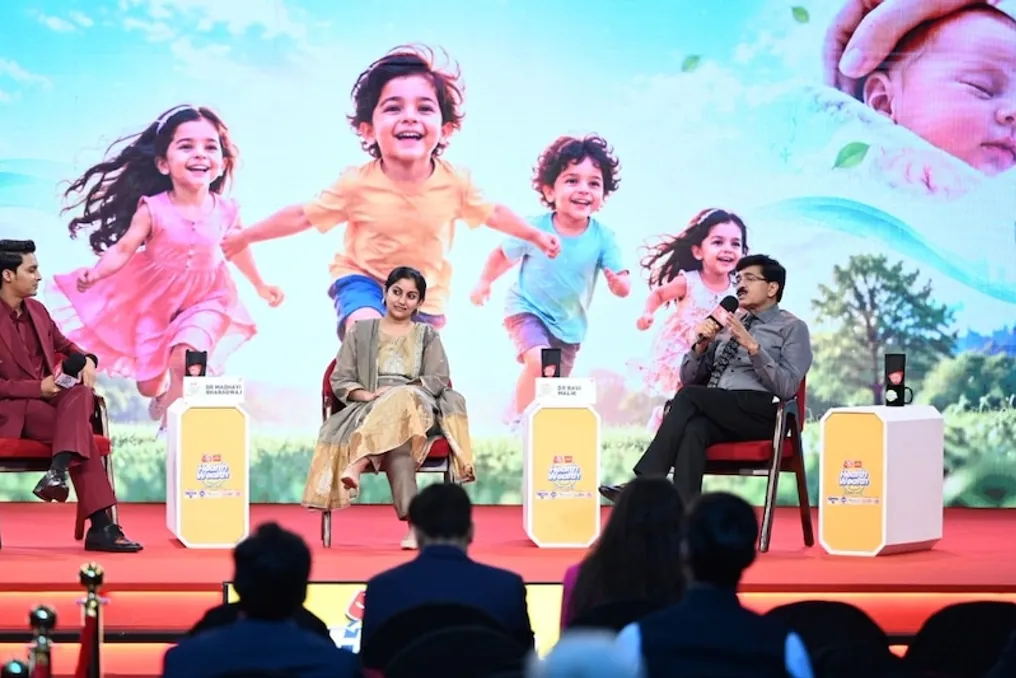
When a child frequently suffers from colds, coughs, or fever, parents often worry, assuming the child's immune system is weak and needs a special supplement or medicine to strengthen the body's defenses. However, doctors note that it is quite normal for children under five years old to encounter viral infections six to eight times a year, especially after they start attending kindergarten or school.

Dr. Ravi Malik, CEO of Redix Health Care and senior pediatrician, emphasized that young children come into contact with various viruses through interaction with other people and children, which can lead to frequent illnesses. This does not necessarily mean that the child's immune system is weakened.

With common viral infections, symptoms such as cough, runny nose, and fever may occur. Nevertheless, you should immediately consult a pediatrician if difficulty breathing, dehydration, persistent diarrhea, or rash appears along with the fever. You also should not wait if the child appears very lethargic, refuses to drink, or their condition worsens.

Five behavioral patterns of parents were noted that can negatively affect children's development and behavior. Firstly, this is granting complete freedom in everything: the absence of set times for eating, sleeping, and screen use can lead to a lack of discipline in the child; therefore, age-appropriate rules must be established.

Secondly, comparing children to each other is undesirable, as each child's learning ability is unique; parents should motivate the child to move forward instead of comparing them to others.

Thirdly, parents should not set a bad example; since children learn by observing their parents, one must follow good habits oneself before expecting it from the child.

Fourth is breaking promises; if parents constantly fail to keep their promises, it can undermine the child's trust, so promises should be made thoughtfully and kept.

Finally, shouting or physical punishment; frightening the child or using physical punishment in anger is not the right method; it is much better to explain rules with love.

Dr. Ashok Seth recommends checking cholesterol levels at age 10 for heart disease prevention
Read more
www.aajtak.in

Dr. Ashok Seth recommends checking cholesterol levels at age 10 for heart disease prevention

Although heart diseases are traditionally considered an issue of old age, they can begin in childhood. Dr. Ashok Seth, Chairman of the Department of Cardiology Sciences at Fortis Escorts Heart Institute, emphasized the importance of focusing on heart disease prevention from early childhood during the Healthwealth India Today 2026 summit.

He noted that to reduce the risk of heart disease, a cholesterol test should be conducted as early as age 10. Dr. Seth explained that high cholesterol in children can have genetic causes, known as familial hypercholesterolemia. Furthermore, levels of 'bad' cholesterol, or LDL, can be significantly elevated from birth.

Signs indicating this problem may include a history of heart attack or high cholesterol in the family. Testing at age 10 helps minimize this risk. Moreover, this is particularly relevant given the rising number of heart diseases among young people in the country, which requires timely diagnosis and prevention.

Dr. Ashok Seth stated that high cholesterol in children often does not show obvious symptoms in the early stages. A blood test called a lipid profile is used to determine cholesterol levels. This test includes checking total cholesterol, LDL, HDL, and triglycerides. Based on the level of cholesterol elevation, it is determined whether medication should be started or if controlling the condition through lifestyle and dietary changes is sufficient.

To maintain heart health, children must be accustomed to a balanced diet from the beginning. The diet should include fruits, vegetables, whole grains, and essential nutrients, while excessive consumption of fried foods should be avoided. It is also important to ensure physical activity for children and take them out for fresh air. Attention should also be paid to the type of oil used in cooking.

Popular