Cat's Meowing Saves Couple from Carbon Monoxide Poisoning in Italy
Read more
Noticias ao Minuto
noticiasaominuto.com

Cat's Meowing Saves Couple from Carbon Monoxide Poisoning in Italy

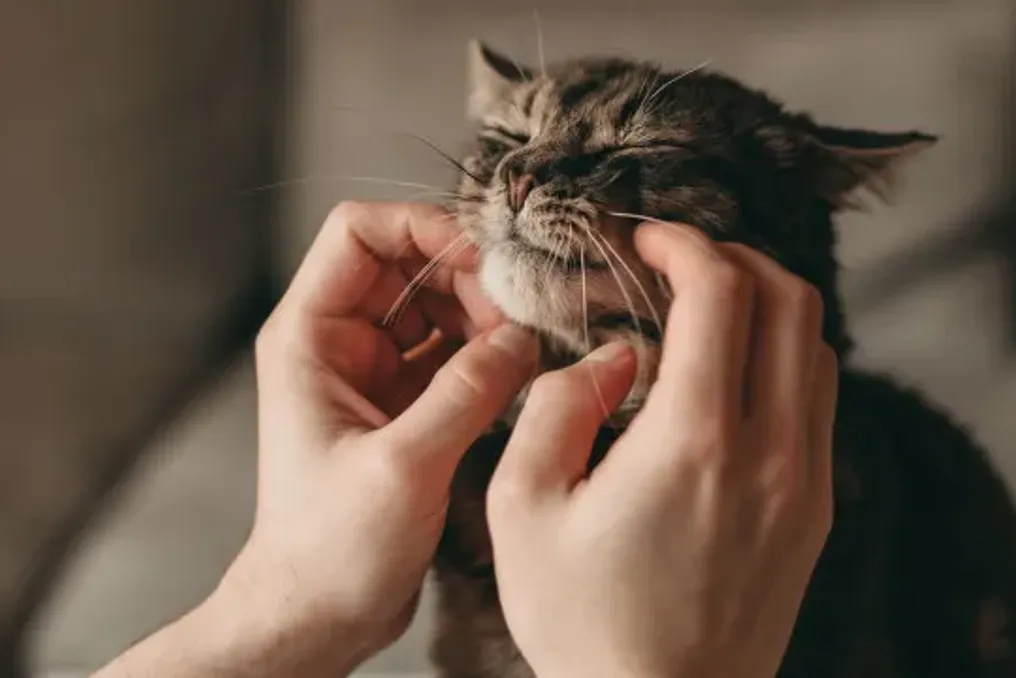
The unusual behavior of a cat that persistently meowed played a decisive role in saving the lives of a couple affected by carbon monoxide poisoning near Treviso, Italy.

According to local health authorities, a 29-year-old woman began experiencing dizziness and loss of balance, unaware of the source of her discomfort. In addition to the symptoms, her attention was drawn to the continuous and unusual meowing of her house cat.

Despite feeling unwell, the woman decided to leave the house to go to work. However, while continuing to feel sick while driving, she stopped the vehicle and called emergency services.

Emergency personnel who arrived immediately suspected possible carbon monoxide poisoning and transported her to the Ca' Foncello hospital in Treviso. The toxic gas was also found on the staircase of the woman's home, and her husband was taken to the hospital as a precaution.

Later medical examinations showed that the woman's poisoning was serious enough to require treatment in a hyperbaric chamber, while her husband was able to be discharged.

According to local firefighters, the leak was caused by a boiler with operational problems that released very high concentrations of carbon monoxide when turned on.

Similar stories

Celebration of Medical Workers' Day in Tashkent
Read more
uza.uz

Celebration of Medical Workers' Day in Tashkent

Recognizing the selfless work of medical professionals who work day and night to preserve human health and life, and providing comprehensive support for them, is a noble tradition in our society. In particular, a solemn ceremony honoring and awarding representatives of the industry took place at the Tashkent city mayor's office on the occasion of Medical Workers' Day, which is widely celebrated in the country.

New semaglutide pen, called Semaclique, arrives in Brazilian pharmacies with set price
Read more
olhardigital.com.br

New semaglutide pen, called Semaclique, arrives in Brazilian pharmacies with set price

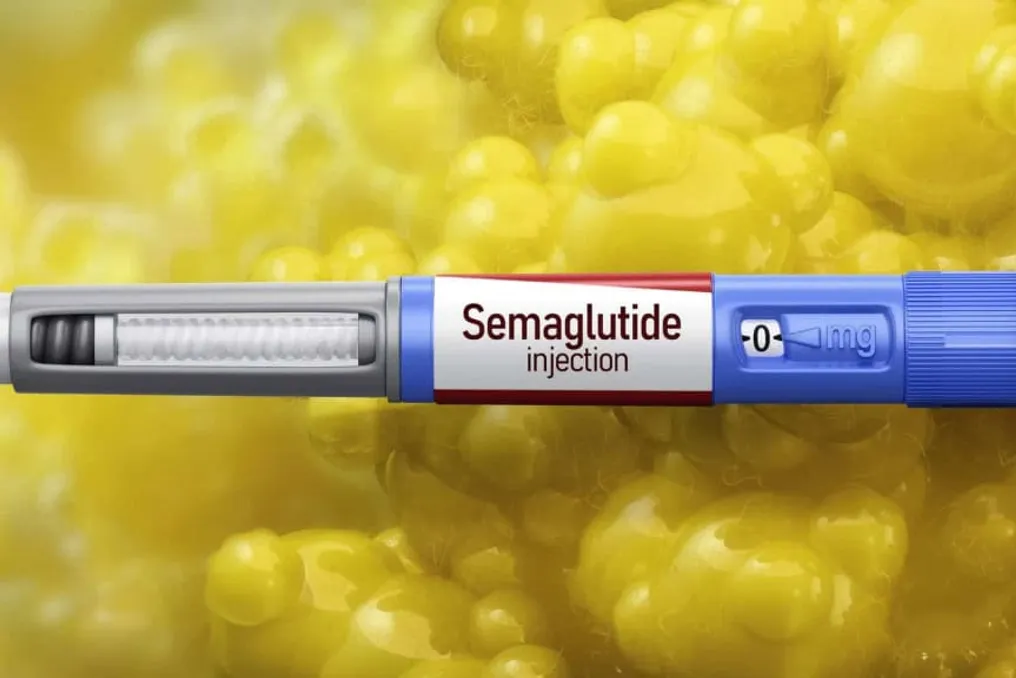
A new pen containing semaglutide, manufactured in Brazil, began to be made available in pharmacies this Friday, the 6th. This medication, named Semaclique, is distributed by Brace Pharma, which is part of the EMS Group, and costs R$ 464.81 per unit.

If the consumer purchases three pens, the unit price reduces to R$ 333, totaling R$ 999. The product received approval from the National Health Surveillance Agency (Anvisa) for use by adults with type 2 diabetes, although its authorized indication does not include the treatment of obesity.

Semaclique uses synthetic semaglutide, an active ingredient also found in the medications Ozempic and Wegovy. Although they share the same active component, the three drugs may have different indications approved by Anvisa; specifically, Ozempic is intended for type 2 diabetes, while Wegovy is used to treat obesity.

Semaglutide belongs to the class of GLP-1 receptor agonists. These medications work by mimicking an intestinal hormone that helps control blood glucose and modulate appetite. Their effects include stimulating insulin release when blood sugar levels are high, decreasing gastric emptying speed, and increasing the feeling of satiety.

The medication is administered weekly via subcutaneous injection. According to the manufacturer, the pen has a dose selection mechanism by clicks, allowing for progressive adjustments according to medical recommendation, without the need to buy a new package with each change. It is essential that the patient strictly follows medical guidelines and the instructions contained in the leaflet to determine the dose and make any necessary adjustments.

Like other semaglutide-based medicines, Semaclique can cause side effects. The most common ones are listed, but there are also less frequent, yet potentially serious risks, such as pancreatitis.

For purchase, presenting a two-part medical prescription is mandatory, one of which must be kept by the pharmacy. Furthermore, the product needs to be stored under refrigeration, maintained between 2°C and 8°C, even after starting use.

The introduction of Semaclique occurs after the expiration of the semaglutide patent in Brazil, scheduled for March 2026, which allowed new manufacturers to enter the market. During the year, Anvisa granted authorizations for various medications based on this substance and other GLP-1 agonists.

With these decisions, the number of registrations for medications in this class approved by Anvisa in 2026 reached 20. However, sanitary approval does not guarantee immediate availability in all pharmacies, as commercialization depends on subsequent phases, such as price fixing and distribution logistics by the manufacturing companies.

Although the arrival of new brands may intensify competition, this does not automatically guarantee a decrease in treatment costs. In the specific case of Semaclique, the comparison with existing alternatives depends on the prescribed dose, the quantity consumed, and the commercial conditions of each medication.
Expert claims that respiratory syncytial virus infection in children is no longer seasonal
Read more
uzdaily.uz

Expert claims that respiratory syncytial virus infection in children is no longer seasonal

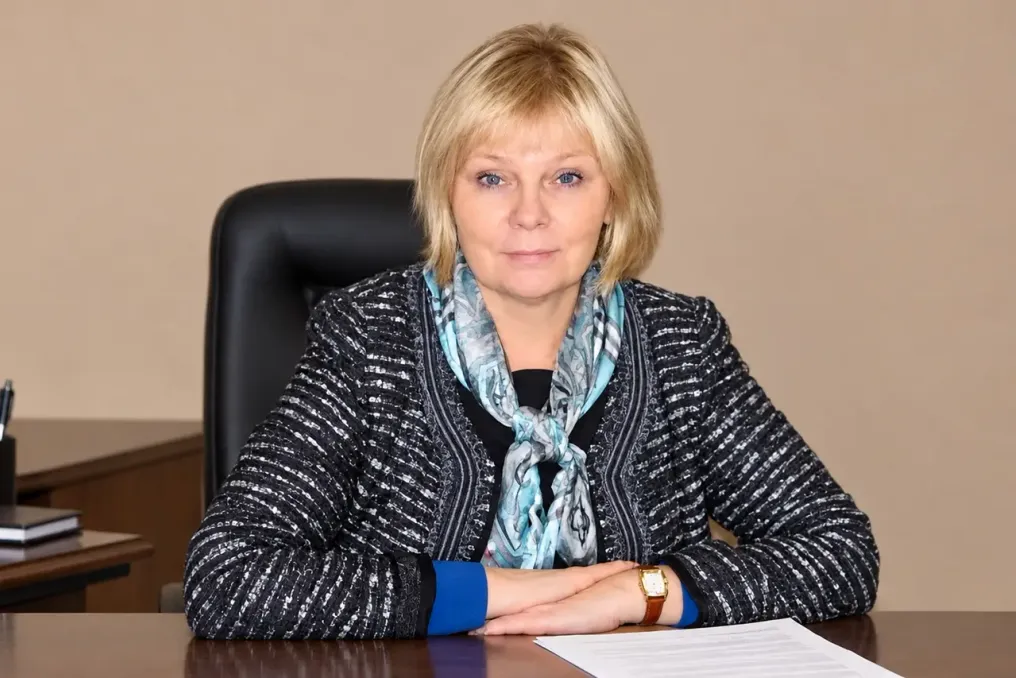
Respiratory syncytial virus (RSV) infection in children has ceased to be tied to cold months, and cases are now recorded throughout the year. According to Svetlana Rychkova, Doctor of Medical Sciences and Head of the Department for Organizing Pediatric Medical Care at the Federal Medical and Biological Agency (FMBA) in St. Petersburg, older children whose infections may be mild and resemble a common cold often become sources of infection for infants.

These findings were presented by her at an international pediatric congress held in Tashkent. The expert noted that RSV infection is constantly present throughout the year. The main risk group is children from birth to two years old, but teenagers also account for a significant share of cases. In adolescents, RSV can manifest as a mild runny nose, but upon returning home after visiting school and other social groups, they can transmit the virus to younger siblings, leading to severe forms of the disease.

Scale of the problem according to WHO data

According to data from the World Health Organization, which Rychkova presented, RSV causes about 33 million cases of acute lower respiratory tract infections among children under five annually. More than 3.5 million such cases require hospitalization, and over 100 thousand result in death. Furthermore, about half of these deaths occur among infants under six months of age.

Initially, the illness can mimic the symptoms of a common cold, such as rhinopharyngitis, but it can subsequently develop into bronchitis, bronchiolitis, or pneumonia. In some cases, the infection is accompanied by middle ear otitis. Rychkova warned that if RSV infection is suspected or confirmed, a child's condition can deteriorate and become severe or critical within just a few days.

Special risks for infants and long-term consequences

The infection poses a special risk to infants under one year old and premature babies. In the expert's opinion, the mortality rate in these groups can be up to fifteen times higher than in other pediatric age groups. Severe illness can develop not only in infants with very low birth weight but also in children born at 33–35 weeks of gestation.

The consequences of RSV infection can persist later on. Rychkova emphasized that children infected with the virus at an early age are more likely to encounter other acute respiratory infections later. According to data provided by the expert, the risk of developing bronchial asthma in such children can be three to twelve times higher than in those who did not have RSV in their first year of life.

Importance of prevention and immunization

The specialist also highlighted the need to prevent infection. Since RSV spreads through contact, personal hygiene measures, especially regular handwashing, are paramount when caring for infants. She particularly stressed the importance of hygiene and handwashing when caring for young children, especially in their first year of life.

For children in high-risk groups, particularly premature infants, passive immunization is available. Rychkova reported that it can be administered concurrently with routine vaccination. Experts agree that early detection, preventive measures, and careful monitoring of infants can reduce the likelihood of severe disease progression.

Popular