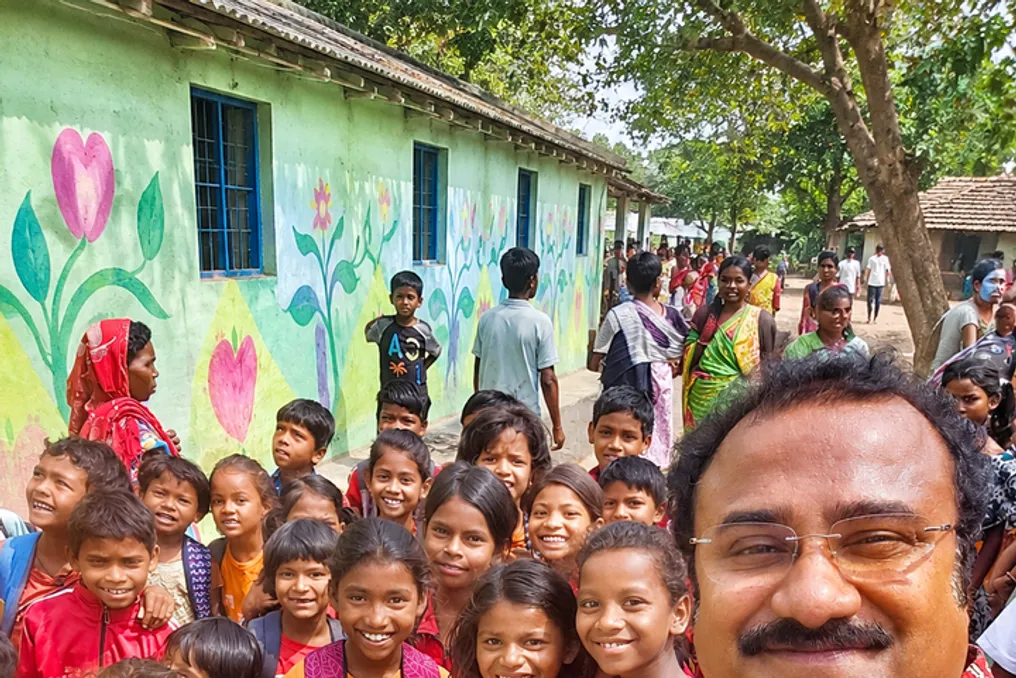
Professor from Bengal helps children eat and study for free in over 20 learning centers
Read more
The Better India
thebetterindia.com

Professor from Bengal helps children eat and study for free in over 20 learning centers

About ten years ago, Professor Chandrashekhar Kundu witnessed a scene where a young girl was eating discarded biryani while her brother defended himself against stray dogs.

This incident occurred after the birthday of Chandrashekhar's son, when he threw away leftover food. This image haunted him, leading him to question: why is food being wasted while children lack proper nutrition?

Deciding to act, Chandrashekhar, a college lecturer from West Bengal, began studying the issue of food waste. He soon earned the nickname 'Foodman' and started providing meals to about 180 children across three villages.

As he interacted with the children, he realized that access to food was only one of the problems. Many came from families engaged in stone quarrying or as hired laborers, and they lacked academic support at home. Even children who attended school struggled with their performance due to the absence of a mentor.

Chandrashekhar understood that simply providing food was insufficient; education needed to become part of the solution. With the support of others, he organized dinners for the children and began helping them understand how education could open new opportunities.

The initiative, named 'Boi Toi Hoi Chai', gradually expanded to other communities in West Bengal. Local teachers and volunteers joined the efforts, helping children receive regular academic support closer to home.

Today, according to the official FEED website, there are over 20 free learning centers. In addition to educational programs, the organization continues to provide meals, supporting both the children's nutrition and their chances of learning. Chandrashekhar Kundu's work, from providing food to assisting in the continuation of children's education, has evolved into a broader social movement.
Similar stories

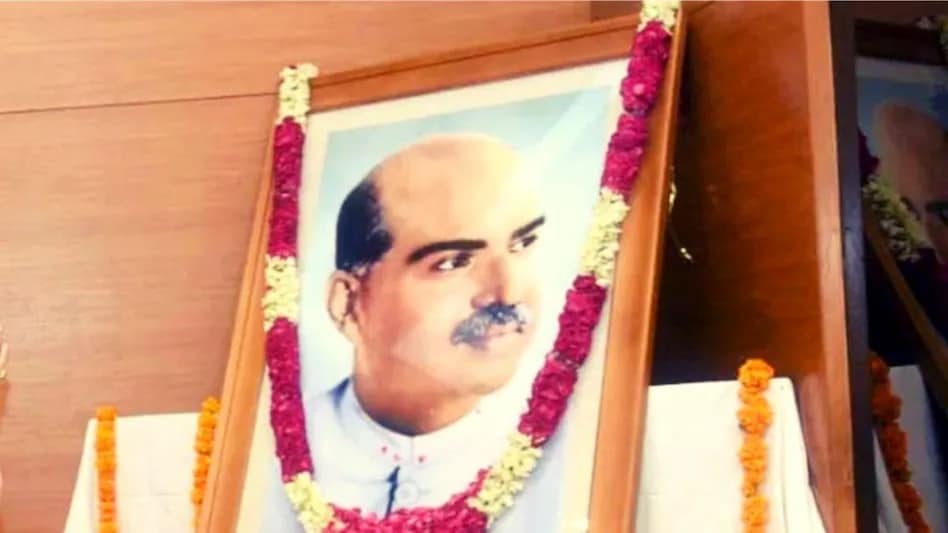
Biography of Shyama Prasad Mukherjee to be taught in West Bengal schools; Singur movement leader to be excluded from textbooks
Read more
www.aajtak.in

Biography of Shyama Prasad Mukherjee to be taught in West Bengal schools; Singur movement leader to be excluded from textbooks

The government of West Bengal has decided to make changes to the curriculum concerning the state's history and prominent figures. According to this decision, information about the life and contributions of Shyama Prasad Mukherjee, founder of the Indian Jana Sangh, will be included in school books. Simultaneously, the chapter on the land dispute in Singur will be removed from the eighth-grade textbook.

The state's Education Minister, Dipak Barman, provided details about these changes. He stated that a special commission established to review the syllabi presented new recommendations. These recommendations include incorporating a brief overview of Shyama Prasad Mukherjee's life and achievements into all textbooks. The government emphasizes that the new curriculum will place greater focus on the history of West Bengal and its key personalities.

As part of the curriculum changes, the section dedicated to the land acquisition movement in Singur will be excluded from the eighth-grade textbook. Furthermore, it was recommended to remove the chapter based on the Kanyashree scheme from the sixth-grade textbook. The Kanyashree scheme was previously one of the main programs of the then ruling Trinamool Congress. This program provided financial assistance to ensure girls' education continued and to prevent early marriages.

Under the new system, students from fifth to eighth grade will be taught Information and Communication Technology (ICT) as a systematic subject, for which a separate syllabus will be developed. Additionally, textbooks for a third language will be introduced for seventh and eighth-grade students. According to the Education Minister, the full text of 'Vande Mataram' will be printed at the beginning of all textbooks, and the quality of paper used in the books has also been improved.

The government is also considering a proposal to abolish the no-detention policy up to the ninth grade. The Education Minister noted that discussions on this matter are ongoing, and a decision may be reached soon. The Government of West Bengal is also carefully reviewing the possibility of changing the examination dates for secondary and higher secondary education in 2027. This is related to the census process, during which school teachers may be involved. The West Bengal Board of Secondary Education (WBBSE) proposed holding the tenth-grade board exams between March 2 and March 16, 2027, whereas they were originally planned for February 15 to February 25. The West Bengal Council of Higher Secondary Education (WBCHSE) may propose conducting the fourth-semester exam after March 16, whereas it was previously expected to take place between January 22 and February 23. The Education Minister stated that the government has received proposals from both boards, and an announcement regarding the revised exam dates may be made within the next week.

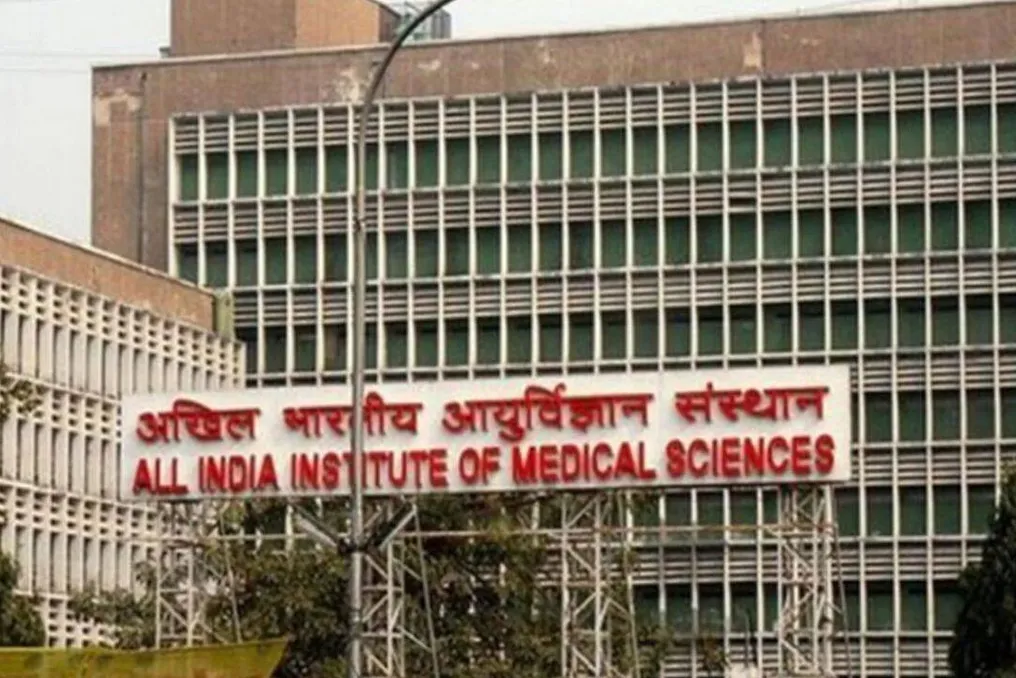
Center requests data from Delhi medical institutions on time spent by faculty outside hospitals
Read more
timesofindia.indiatimes.com

Center requests data from Delhi medical institutions on time spent by faculty outside hospitals

Central authorities are requesting detailed reports from three medical institutions in Delhi. This data is needed by an expert group examining summer and winter holidays for the teaching staff of state medical colleges.

The main question the Center is investigating is how much time faculty doctors spend outside hospital facilities and what consequences this has for the quality of patient care and classroom instruction.

Popular