Due to the sharp deterioration of air quality in India's capital and surrounding areas on Friday, the Indian government ordered that schools in Delhi transition to distance learning. Furthermore, residents were advised to work from home and postpone private gatherings.
These restrictions were introduced just before the celebration of Diwali, the Hindu festival of lights, which takes place on Sunday. Typically, firecrackers are widely used during this festival, which further exacerbates the air pollution problem.
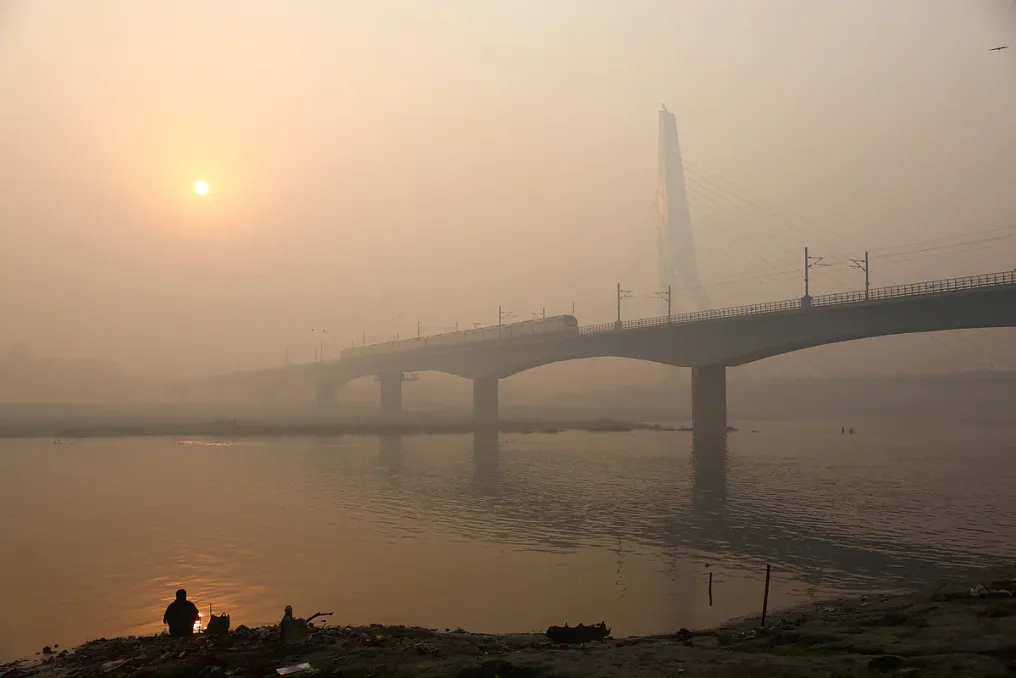
Pollution is an annual issue in many regions of northern India as winter approaches. Cold, heavy air traps emissions from transport, construction dust, and smoke from agricultural waste burning. The situation worsens in large cities like Delhi, home to 20 million people, due to the high volume of vehicles and construction activity, leading to respiratory problems for many residents.
The Swiss group IQAir has repeatedly ranked Delhi among the most polluted cities in the world during winter, based on the concentration level of toxins in the air.
On Friday, the capital recorded an Air Quality Index (AQI) of 382, according to data from the Central Pollution Control Board. An AQI up to 50 is considered a good indicator.
The Air Quality Management Commission implemented these restrictions on Friday as part of a phased action plan that requires tightening measures as pollution levels rise. Its decree also strongly recommended local authorities in Delhi and neighboring areas to consider having half of company and government employees work remotely.
The Commission noted that adverse meteorological conditions contributed to the decline in air quality, and forecasts suggest the situation could enter the 'severe' category in the coming days. Delhi Environment Minister Manjinder Singh Sirsa stated in his statement: 'Starting tomorrow, the weather will worsen, and the wind will completely stop, which will degrade the AQI.'
Residents report that the toxic air is negatively affecting their health. One resident of Delhi, Sarvesh, who gave only his first name, noted: 'The pollution makes it difficult to breathe and also causes anxiety... I also feel stinging in my eyes.'
In neighboring Pakistan, the city of Lahore also faced a surge in pollution this week; however, officials reported that air quality improved on Friday, reaching 149 after 312 recorded the day before. Senior Provincial Minister Maryam Aurangzeb said: 'The reduction in air pollution is the result of an effective strategy, constant monitoring, on-site control, as well as changes in weather conditions and wind speed.'