Iran and China Define Strategic Directions for Cooperation: Competitive Exports and Strengthening Trade Corridors
Read more
Tehran Times
www.tehrantimes.com

Iran and China Define Strategic Directions for Cooperation: Competitive Exports and Strengthening Trade Corridors

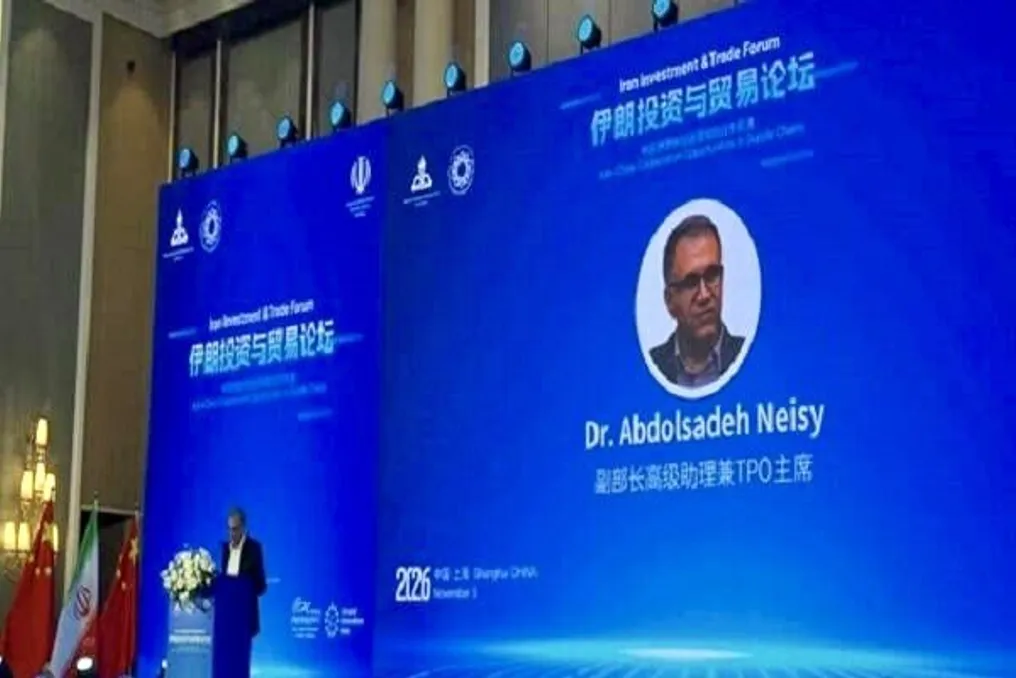
The Director of the General Directorate of Iran's East Asia, Subcontinent, and Oceania Trade Promotion Organization presented at the Iran-China Trade and Investment Conference that developing high value-added exports and strengthening trade corridors are two crucial and strategic vectors for expanding economic and trade interaction between the two countries.

According to an IRNA report from the Iranian Trade Promotion Organization, this conference took place concurrently with the 9th China Import and Export Fair (CIIE). The event was organized by the Iranian Trade Promotion Organization in collaboration with commercial attachés of the Islamic Republic of Iran based in Shanghai and Beijing.

The conference gathered representatives from both countries, including officials, senior managers, investors, traders, entrepreneurs, and businessmen. It served as a platform for exchanging views, dialogue, and seeking new opportunities for economic, trade, and investment partnership.

Strategic Directions for Economic Cooperation

Abdolsade Nisi emphasized the vast potential for cooperation between Iran and China, stressing the need to build a sustainable and balanced partnership based on mutual interests. He noted that Iran's view on cooperation with China goes beyond simply increasing trade volumes; it is about creating a partnership that fosters trade development, attracts investment, and ensures the effective presence of both countries' enterprises in regional and global markets.

Referring to Iran's rich resources, diverse production capabilities, large domestic market, access to neighboring markets, and privileged transport position, Nisi considered these factors a suitable foundation for increasing trade and joint investments.

Nisi highlighted the development of higher value-added exports as the first strategic vector of economic cooperation between Iran and China. He stated that one of Iran's main goals is to transition from exporting raw materials and semi-finished products to producing goods that contribute more significantly to added value, export revenue, and employment.

He specifically pointed out the opportunities for developing sectors such as food industry, processed agricultural products, petrochemicals, mining, construction materials, industrial goods, and other products manufactured in Iran with the participation of Chinese partners.

According to the Director of the General Directorate of Iran's East Asia and Subcontinent Trade Promotion Organization, interaction among traders, producers, and investors from the two countries will help complete supply chains, stimulate export-oriented production, and enhance the presence of Iranian products in Chinese and other regional markets. Thus, in addition to export growth, this contributes to improving product quality, developing domestic production, and strengthening economic competitiveness.

Strengthening Trade Corridors Between Iran and China

In another part of his speech, Nisi described the strengthening of trade corridors between Iran and China as the second important and strategic aspect of cooperation. He stressed the role of international transport routes in shaping world trade, noting that Iran's geographical location allows the country to play an effective role as a link between East and West, as well as North and South.

He clarified that the concept of corridors is not limited only to transit routes for goods, adding that these routes serve as a platform for expanding trade, developing logistics services, establishing regional distribution centers, and forming long-term economic cooperation.

The Director of the General Directorate of Iran's East Asia and Oceania Trade Promotion Organization continued that cooperation between Iran and China in this area can not only reduce exchange costs and facilitate market access but also pave the way for increased trade volume and the formation of long-term mutual interests for the countries in the region.

He also viewed existing opportunities along regional communication routes, including trade links between Iran, China, and third countries, as an effective factor in developing regional trade and strengthening global supply chains.

Development of Provincial Cooperation and Utilization of E-commerce Opportunities

Nisi mentioned the Trade Promotion Organization's plans to enhance the standing of the Iranian national brand in the Chinese market. Among other areas pursued by the organization, he listed increasing the efficiency of Iranian trade centers, developing economic interaction between the provinces of the two countries, and utilizing the potential of e-commerce platforms to present and offer Iranian goods.

The representative of the Iranian Trade Promotion Organization expressed hope that holding this conference would lead to new cooperation, the development of trade relations, the conclusion of economic agreements, and the creation of joint investment opportunities between economic entities of Iran and China.

Emphasizing the organization's readiness to support the expansion of economic interaction between the two countries, he stated that the Iranian Trade Promotion Organization supports the development of this cooperation within its duties and creates conditions to facilitate communications and trade contacts between the two states.
Similar stories

Trade ties between Tehran and Muscat deepen amid 23% export growth
Read more
www.tehrantimes.com

Trade ties between Tehran and Muscat deepen amid 23% export growth

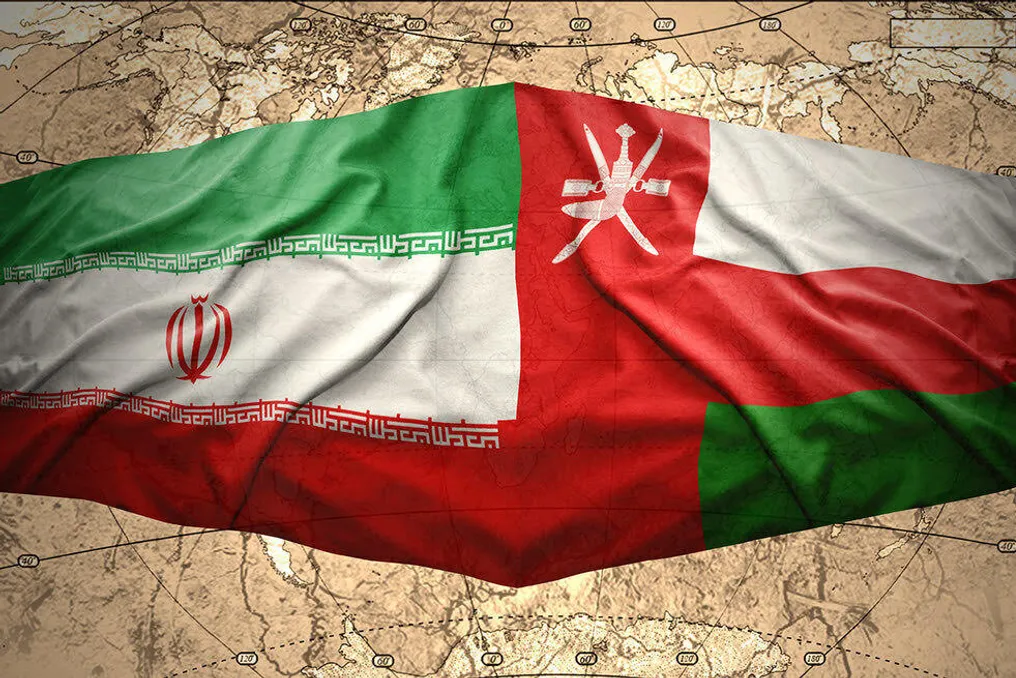
Iran's trade relations with neighboring countries are gaining increased importance in the context of changing regional circumstances, and strong economic ties between Tehran and Muscat serve as a prime example of this. While recent events have overshadowed trade with some Persian Gulf countries, Oman stands out as a reliable and growing market for Iranian products.

According to the latest data provided by the Iranian Trade Promotion Organization, exports from Iran to the Sultanate increased by an impressive 23 percent in the first half of the current Iranian calendar year. This highlights the resilience of bilateral trade and the potential for further expansion. As both countries work on a preferential trade agreement and strengthening customs cooperation, the trajectory of trade between Iran and Oman represents a promising model for regional economic interaction.

The Director General of West Asia and Africa at the Iranian Trade Promotion Organization noted the positive trend in Iran's trade with some West Asian countries. He reported a 23 percent increase in Iran's exports to Oman during the first six months of the current Iranian calendar year (from March 21 to September 21) compared to the same period last year.

According to Abdolamir Rabihavi of the Public Relations Department of the Iranian Trade Promotion Organization, the regional situation has affected the volume of Iran's trade with some Persian Gulf countries. However, Oman, despite its location in the Persian Gulf, has been less affected by these conditions.

Rabihavi specified that Iran's exports to Oman grew by 23 percent in the first six months of 1405 compared to the same period in 1404, with export value rising from 948 million US dollars to 1.164 billion US dollars. He also mentioned the development of trade routes and the country's borders, noting that after lifting some restrictions on land routes, there is an opportunity to more actively utilize the capacity of land borders, despite issues with southern waterways.

Rabihavi expressed hope that if the positive trend in exports to regional countries continues in the second half of the year, Iran will see further growth in trade in this region. Furthermore, he announced that the preferential trade agreement with Oman has been finalized after completing administrative procedures and has been sent to Parliament for final consideration.

In an exclusive interview with IRNA, Rabihavi discussed the measures taken by the Trade Promotion Organization during its 14th term and the significant progress in trade diplomacy, as well as in the development of port and border infrastructure with neighboring countries. He stated that the organization intends to promote and increase trade with regional countries through the actions of the last two years.

At the end of June, heads of the customs services of Iran and Oman, speaking at the World Customs Organization summit, emphasized the need to implement the provisions of the agreement on mutual administrative assistance in customs matters and proposed creating a joint committee to monitor the implementation of this agreement.

During a bilateral meeting, Forouhad Asgari, the Minister of Economy and Head of the Customs Administration of the Islamic Republic of Iran, and Said bin Khamis Al Ghaiti, the Head of the Royal Customs of Oman, focused on increasing and expanding customs cooperation in accordance with the terms of the signed agreement. Topics discussed included conducting familiarization visits to the customs offices and ports of donor and recipient countries, as well as regular meetings between the customs authorities of the two countries.

The development of mutual cooperation and experience exchange in combating smuggling and customs violations was also discussed, as well as holding regular joint meetings of customs officials for maximum coordination to facilitate trade. Within the framework of this meeting, Iranian customs raised the issue of conducting joint educational events, considering the establishment of the Regional Training Center (RTC) by the Customs Administration of the Islamic Republic of Iran.

During the official two-day visit of Iranian President Masoud Pezeshkian to Muscat in May 2025, Iran and Oman signed 18 memoranda of understanding on various fronts. These agreements, concluded on the sidelines of the Iran-Oman Joint Economic Committee meeting, aimed to deepen ties in sectors such as law, economy, politics, culture, education, healthcare, defense, media, technology, energy, and mining.

As a symbolic confirmation of cultural and historical ties, representatives of both countries presented a commemorative joint postage stamp. President Pezeshkian arrived in Muscat on May 27 at the official invitation of the Sultan of Oman, Haitham bin Tariq. After the official welcoming ceremony at Muscat International Airport, Pezeshkian met with the Sultan of Oman, followed by a joint session of high-level delegations from both countries.

During the meeting, Pezeshkian stated Iran's readiness to intensify cooperation with Oman in all areas, adding that both countries possess capabilities that can be used for the benefit and progress of their own nations, as well as other regional states. He emphasized: 'We are ready to do everything within our means for the dignity and greatness of Muslims. Each of us possesses potential that can be used for the benefit and progress of each other and other nations in the region.'

Sultan Haitham also welcomed closer ties, stating that he agrees that if channels for business activity open up, both countries 'will see a significant leap in bilateral relations.' He added: 'Relations between Iranian and Omani ports must develop, and the railway capacity from north to south of Iran is of great commercial importance to us,' noting the need for greater support for cooperation in the energy sector.

The 23 percent growth in Iran's exports to Oman in the first half of 1405 is not just a statistical achievement; it reflects deliberate and sustainable efforts to strengthen bilateral ties through trade diplomacy, infrastructure development, and institutional cooperation. From the completion of the preferential trade agreement awaiting parliamentary approval to high-level meetings on customs issues and the signing of 18 memoranda of understanding during President Pezeshkian's visit to Muscat, a foundation is being laid for deeper economic integration. As both countries look to the second half of the year, the continuing positive trend in exports—supported by improved access to land borders and expanded port relations—provides grounds for optimism. With political will from both sides and a common commitment to overcoming regional challenges, Iran and Oman are well-positioned to turn these successes into long-term and mutually beneficial commercial partnerships.

Ministers of Iran and Pakistan Discuss Expansion of Trade Cooperation and Simplification of Goods Transit
Read more
www.tehrantimes.com

Ministers of Iran and Pakistan Discuss Expansion of Trade Cooperation and Simplification of Goods Transit

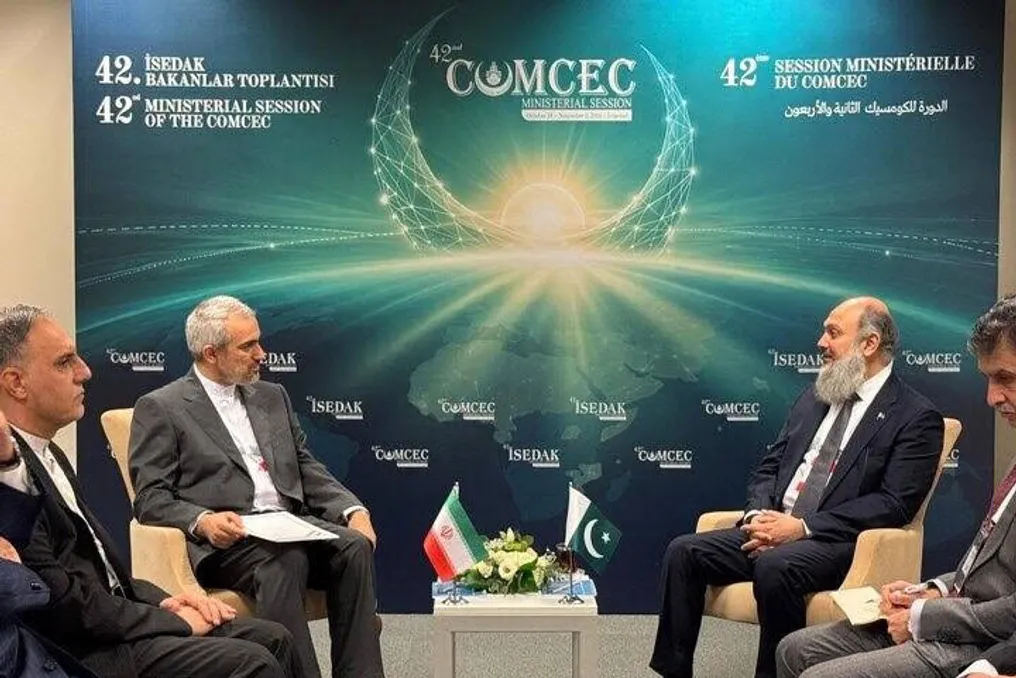
The Iranian Minister of Economic Affairs and Finance and the Pakistani Minister of Trade reviewed ways to develop economic and trade ties between the two states, as well as methods to facilitate trade turnover and eliminate obstacles at common borders.

These discussions took place during the sidelines of the 42nd session of the Permanent Committee on Economic and Trade Cooperation of the Organization of Islamic Cooperation in Istanbul.

Seyed Ali Madanizadeh, the Iranian Minister of Economic Affairs and Finance, met with Jamal Kamal Khan, the Pakistani Minister of Trade. The sides emphasized the need to increase the level of economic and trade interaction, as well as improve the processes of transportation and goods transit.

During the meeting, while analyzing existing opportunities to increase trade, both sides focused on finding practical solutions to eliminate barriers in the field of trade and cargo transportation between Iran and Pakistan.

Issues such as resolving problems with freight movement at the Rimdan border, more effective use of the Mirjaveh border capacities, and ensuring smoother movement and transportation of goods between the two countries were raised.

Furthermore, the sides agreed on the necessity of strengthening border infrastructure and developing the potential of free zones and border areas to promote trade and increase economic exchange.

The importance of continuous and coordinated work by border customs administrations and improving executive mechanisms at entry and exit points of both countries was also discussed.

Both sides noted that improving customs coordination and simplifying administrative procedures can contribute to smooth trade turnover, reducing time and costs for processing and transloading goods. The Iranian Minister of Economic Affairs and Finance and the Pakistani Minister of Trade also drew attention to the need to increase the volume of trade, especially in the sectors of agricultural products, food, and other goods needed by both parties.

The meeting also touched upon the development of economic and trade cooperation in border areas, viewing it as an effective factor for creating jobs, stimulating economic activity, and improving security and sustainable development in cities located near the borders.

In conclusion, the sides stressed the importance of continuing consultations and subsequent monitoring of the issues raised in order to turn agreements into executive measures and strengthen economic, trade, and transit cooperation between Iran and Pakistan.

Popular