A new version of the 'Waste Law' has been developed in Uzbekistan, which introduces a unified waste classification system, expands the responsibilities of producers and importers, and establishes new norms for handling construction, medical, and hazardous waste.
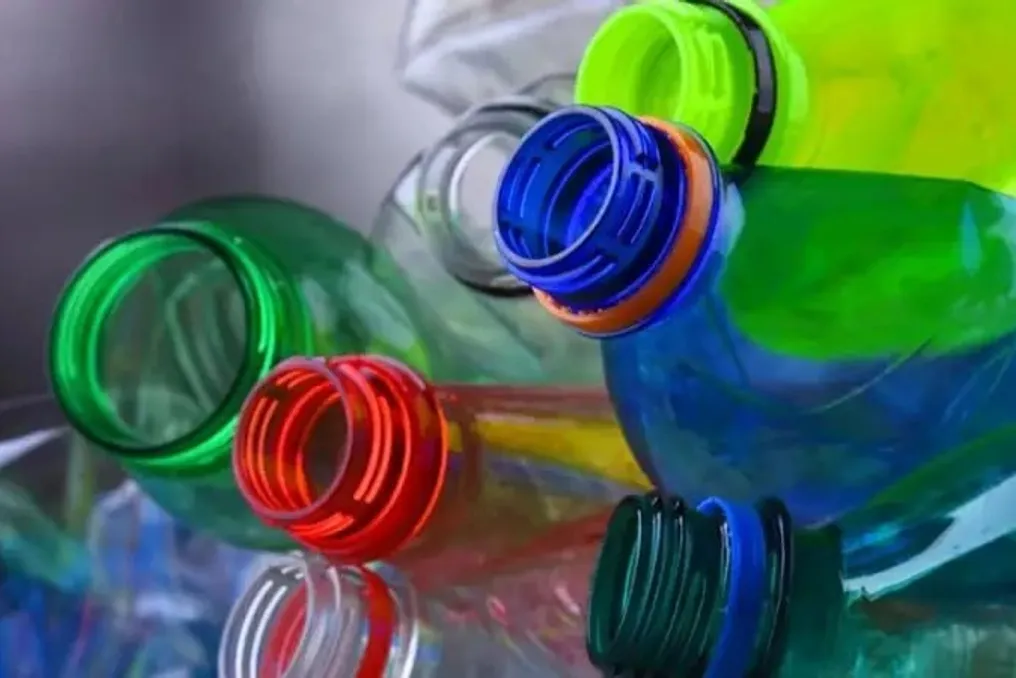
Key proposals include the introduction of a mandatory deposit system for plastic and glass bottles, as well as aluminum cans. Consumers will be able to receive a refund for the deposit when returning used packaging.
The draft law was reviewed in the Legislative Chamber of the Oliy Majlis on October 20. Iskandar Kutbiddinov, Deputy Chairman of the National Committee on Ecology and Climate Change, appealed to deputies to approve the document in the first reading.
The need to update the legislation is due to the fact that the current law was adopted 24 years ago. Over the past time, changes have occurred in the composition and volume of waste, more private operators have appeared, and public-private partnership mechanisms and digital accounting systems have developed.
According to data presented at the meeting, 15.1 million tons of household waste were generated in the country in 2025, but the sorting rate reached only 5.2%, while the recycling rate for plastic, glass packaging, and aluminum cans is only 6.2%.
To solve these problems, it is proposed to implement a mandatory deposit system: the buyer pays a deposit for the beverage packaging, which is returned after returning the empty packaging. A transition period will be provided to producers and trading organizations to create the necessary infrastructure.
The draft law also provides for changes regarding construction waste. According to Kutbiddinov, the volume of such waste increased from 1.2 million to 1.9 million tons between 2017 and 2025. The new law obliges consideration of costs for collecting and removing this waste in design and estimate documentation.
The document also provides for the introduction of a unified waste classification, divided into five hazard classes, licensing of its transportation, and establishing special requirements for transport of hazardous materials. Rules for the collection, transportation, and neutralization of medical and biological waste are specified separately.
Furthermore, it is proposed to prohibit the import of waste into Uzbekistan for storage or landfilling, and to clarify the rules for its transit and strengthen supervision over landfills, including those that have ceased operation. A minimum setback of 300 meters from residential buildings is established for transfer stations.
The draft law also affects the responsibility of producers and importers. Obligations for the collection and recycling of waste are established for certain types of products and packaging, and in relevant cases, the obligation to pay a recycling fee.
A separate section is dedicated to the payment of waste removal services. It enshrines requirements for the economic justification of tariffs, their approval by local kengashs, and mandatory publication for the public. Funds collected from payments are planned to be distributed among service providers proportionally to the work actually performed.
During the discussion, deputy Narimon Umarov proposed amendments to the document before the second reading. He insists on enshrining the principles of the circular economy and reuse of waste, as well as including the Cabinet of Ministers in the list of authorized bodies. Furthermore, he demands the specification of a state control and permanent monitoring mechanism for waste facilities, as compliance with new requirements would be difficult without such supervision. The deputy cited landfills and industrial accumulators requiring regular control as examples.
Earlier, the Minister of Construction, Sherzod Khidoyatov, reported in the Oliy Majlis about the existence of over 720 illegally built multi-story buildings in Tashkent, but later the Ministry of Construction corrected this figure, clarifying that there were only 61 such buildings.