Seven Family Farms in Gauteng for an Outdoor Day Out
Read more
Getaway
getaway.co.za

Seven Family Farms in Gauteng for an Outdoor Day Out

If you are looking for a family activity that allows everyone to disconnect from screens and spend time outdoors, there are many farms located in Gauteng. Here you can engage in strawberry picking, gathering fresh produce, walking through flower fields, or learning about the food production process.

These experiences offer something different compared to ordinary weekend activities. Children can better understand where their food comes from, families can enjoy time in the countryside, and you can also take home something freshly picked.

Some of these farms specialize in organic and regenerative agriculture, while others open their planting fields to visitors during certain seasons. Here are seven farms in Gauteng worth adding to your family outing list, from berry picking in Muldersdrift to flower picking in Benoni.

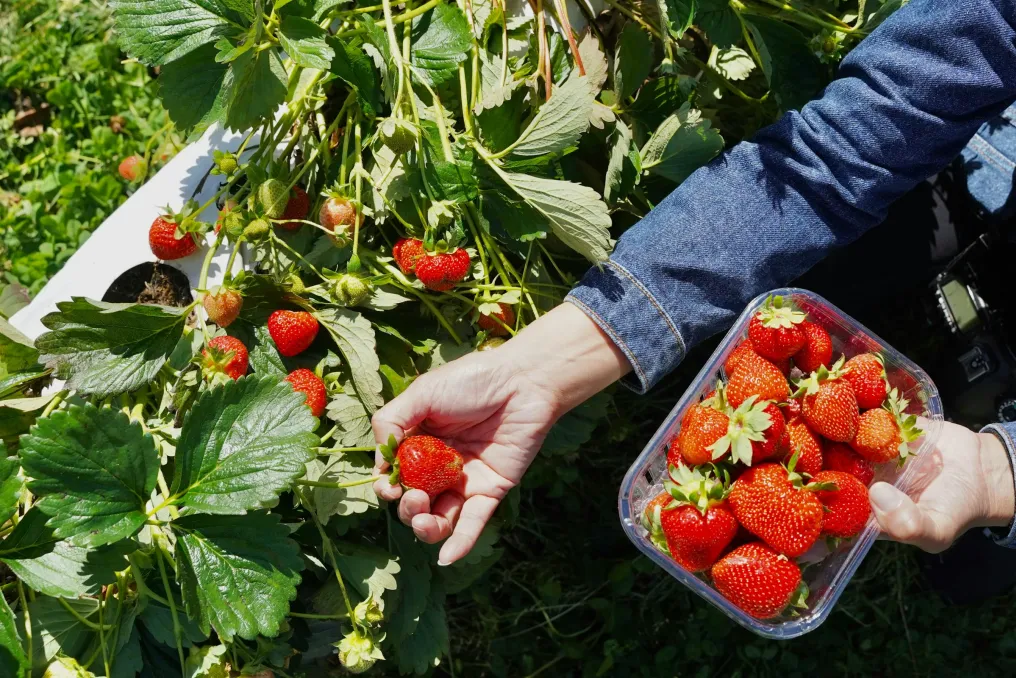
Strawberry picking is a simple activity capable of turning an ordinary weekend into an unforgettable one. At The Cradle Berry Farm in Muldersdrift, visitors can head to the fields to pick and enjoy fresh strawberries straight from the plants. This farm grows strawberries without the use of herbicides or pesticides, making it an attractive option for families interested in more natural farming methods. Guests can pick and eat strawberries while walking through the fields, with the option to purchase extra fruit to take home.

The farm also has an outdoor playground and a picnic area. Visitors can bring their own food or order a meal from the farm's offering. The strawberry season usually runs from September to December, depending on growing and harvesting conditions, making spring and early summer particularly good times to plan a visit. The farm is located on Kromdraai Road in Muldersdrift; visitors should check its website for current picking dates, reception arrangements, and availability before visiting.

Another spot for strawberry lovers is Tangaroa Strawberry Farm near the Hartbeespoort Dam. This organic farm offers visitors the opportunity to pick strawberries directly from the fields in season. Its approach to growing without herbicides and pesticides means the farm shares its growing environment with birds, insects, and other small creatures. However, strawberries are not the only reason to visit this farm. Tangaroa also grows seasonal flowers, including buttercups, poppies, and sunflowers, which can be picked when available. Families can bring a picnic basket, cushions, and a blanket to enjoy the designated picnic spots. There are shaded areas where visitors can rest after time spent in the fields, making it a wonderful option for a relaxing day outdoors. The farm's flower calendar changes throughout the year, so what you can expect depends on the time of your visit. Sunflowers are typically expected from November, although blooming depends on the weather. Tangaroa is located on R560 in Skeerpoort; since strawberry and flower picking is seasonal, you must check the farm's website or social media pages for current availability, entrance fees, and operating days.

For families living in the East Rand, MacFresh Deli & Berry Farm offers the chance to pick seasonal fruits without traveling too far from Johannesburg. The farm in Benoni grows strawberries and blueberries that visitors can pick themselves when the fruit ripens. After picking the berries, they are weighed and paid for according to the amount collected. This experience also provides a chance to learn a little about how berries are grown. The farm uses greenhouses to assist with crop management and harvesting, making it an interesting stop for anyone interested in fruit production. Visitors can also visit the local deli, have lunch at the restaurant, or spend time in the open spaces. There is a children's play area, and pottery painting offers another activity for younger visitors. It is a good option for a family morning outing, especially during berry season when the fields are ready for picking. MacFresh is located at 48 Evans Road in Benoni; picking availability depends on the harvest, so it is recommended to contact the farm before visiting to find out which berries are ready.

For something more unusual, The Field Berry Farm in De Deur offers seasonal raspberry picking alongside opportunities to enjoy the surrounding countryside. The raspberry season at this farm usually runs from January to April. During this time, visitors can pick their own berries and spend a day outdoors among gardens and fields. Besides picking, the farm has a 5-kilometer walking trail, a children's bike path, an open playground, and an obstacle course. Families can also have picnics, enjoying the scenery. The Field Berry Farm hosts various seasonal events throughout the year, including celebrations for almond blossom, sunflower picking, and special farm open days, giving visitors a reason to return outside the raspberry season. Since the farm's activities depend on the growing season and planned events, visitors should check the calendar before planning. Advance booking is required for many events, and walk-ins are not always accepted. The farm is located in De Deur, south of Johannesburg; raspberry picking usually takes place between January and April, while other events are announced throughout the year.

Families interested in learning about organic farming can consider visiting Ganico Organic Estate in Muldersdrift. This estate is an organic farm and pomegranate producer with an emphasis on natural product cultivation. Its farming approach excludes pesticides and chemical treatments, and the team is also working to transform its garden into a biodiverse food forest. Ganico offers farm tours and workshops designed to help visitors understand where their food comes from and why responsible growing methods are important. Depending on the booked experience, visitors can learn about organic farming, explore the farm, and participate in seasonal picking. Its Little Explorers Club also provides opportunities for younger visitors to learn about nature and food production through hands-on experience. Farm tours and workshops must be booked in advance, and availability varies depending on the program. Private tours for groups are also available. For families seeking an educational outing that combines time outdoors with an introduction to more sustainable food production, Ganico is worth considering. Ganico Organic Estate is located in Muldersdrift; it is best to contact the farm directly to inquire about upcoming family workshops, tour dates, and seasonal picking opportunities.

Not every farm visit needs to involve fruit picking. At Flower Haven Farm in Benoni, visitors can spend time among seasonal flowers and create their own bouquets. This farm, which specializes in cut flower cultivation, follows a field-to-vase approach, growing flowers that can be picked and arranged into bouquets. Visitors can stroll through the flower beds, choose their favorite blooms, and cut them themselves to take home. The farm grows various seasonal varieties, including daisies, sunflowers, garden roses, and cosmos. Flower picking is a seasonal activity that usually runs from August to April, depending on weather and growing conditions. The farm is typically open on selected weekends during the season, so it is important to check recent announcements before visiting. Children are welcome when accompanied by an adult, although visitors are asked to follow farm rules and stay within designated areas to protect the growing flowers. This is a wonderful option for families who love gardening, flowers, and spending time outdoors while supporting local flower cultivation businesses.

For a farming experience that goes beyond fruit picking, Big Inja Farming in Carlswald, Midrand, offers guided tours focused on regenerative agriculture. The small farm studies ways of producing food by working with natural systems. Its approach includes living soil cultivation methods, water-saving systems, natural ponds, and innovative ways of more efficiently utilizing resources. Visitors can book a guided tour to learn more about how the farm operates and the practical methods it uses to reduce waste and work with nature. This experience also introduces visitors to food production systems and how different elements of the farm contribute to a regenerative approach. This is a particularly interesting option for families with older children who want to learn more about sustainable agriculture and how small farms can better utilize their resources. Tours are conducted by appointment, so it is important to book in advance rather than just showing up on the property.

Similar stories

After Her Husband's Death, Nilam Manages the Family Farm, Growing Sugar Beet on 13 Hectares
Read more
www.aajtak.in

After Her Husband's Death, Nilam Manages the Family Farm, Growing Sugar Beet on 13 Hectares

Nilam Malik from Muzaffarnagar district in Uttar Pradesh state is one of the women who has not lost hope even in difficult circumstances. After her husband's passing, she took responsibility for raising two sons and supporting the family by growing sugar beets on a plot of 13 hectares.

Thanks to the income from agriculture, she was able to provide education for her younger son Shubham and help him get into the Uttar Pradesh police force. The elder son, Gaurav Malik, assists his mother with agricultural and livestock work.

Nilam Malik married Bhupendra Malik in 1992; he lived in the village of Pinna in Muzaffarnagar district. They had two sons—Gaurav and Shubham. About 15 years after the wedding, her husband Bhupendra Malik died in a road accident. Following this incident, all responsibility for the family fell upon Nilam.

During this difficult period, she found the strength to support her family by cultivating sugar beets. Nilam cultivates sugar beets on an area of about 13 hectares. The annual income from this farm is approximately between one hundred and one and a half lakh rupees. These funds were used to cover household expenses and raise both sons.

As a result of Nilam's hard work, her younger son Shubham joined the Uttar Pradesh police. Meanwhile, the elder son Gaurav supports his mother in agricultural and livestock matters. Despite the limited income, Nilam prioritized the needs of her family and the children's education.

Nilam shares that after her husband's death, she makes all decisions regarding the family herself. She plans both agriculture and household expenses based on payments received from sugar mills. For her, growing sugar beets is not just a source of income but also a foundation for advancing her family.

Nilam Malik also receives financial support under the 'Pradhan Mantri Kisan Samman Nidhi Yojana' program amounting to 6000 rupees annually. She believes this amount helps cover minor expenses related to farming and the family.

Rural town of Bedford in the Eastern Cape opens its gardens to visitors
Read more
getaway.co.za

Rural town of Bedford in the Eastern Cape opens its gardens to visitors

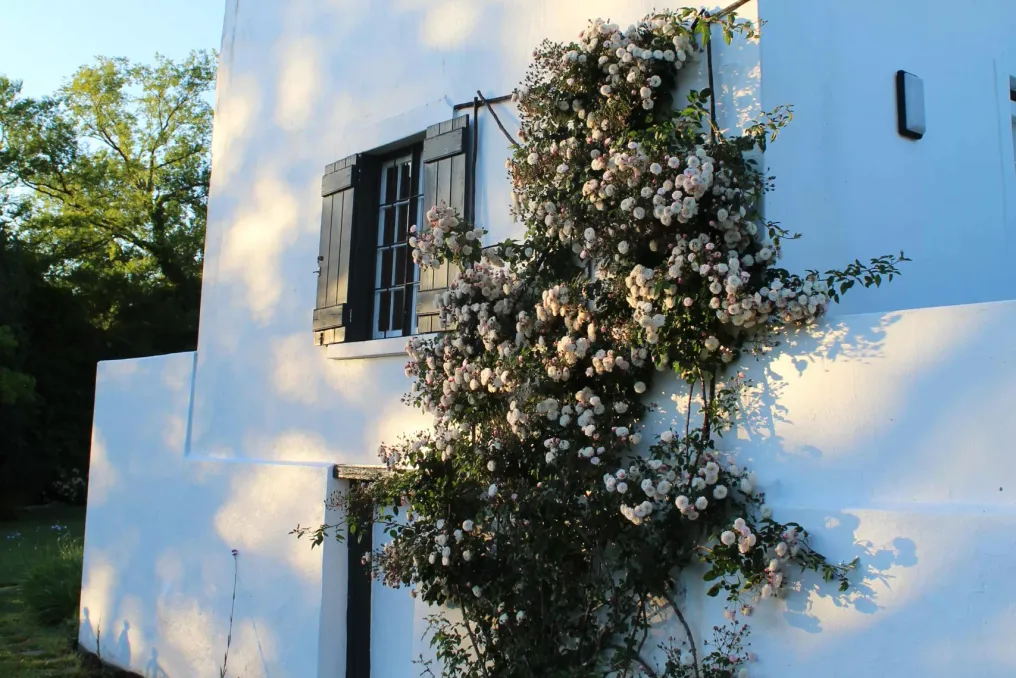
Every spring, the village of Bedford in the Eastern Cape invites guests into private gardens adorned with roses, old trees, and meticulously maintained flowerbeds. This historic settlement, set against the backdrop of the characteristic Kaggaberg mountain and surrounded by rolling agricultural lands, offers a more relaxed retreat where one can spend weekends strolling through garden paths, visiting local shops, and enjoying rural hospitality.

The annual Bedford Country Gardens event will take place on October 30 – November 1 and November 6 – 8, 2026, during which gardens throughout the village and surrounding areas will be open. In its 23rd year, this event is a reason for a visit, but Bedford's appeal extends beyond just flowers; its historic buildings, farm landscapes, and welcoming local businesses make it a place worthy of unhurried exploration.

Even with only 48 hours, you can get acquainted with both the village itself and the surrounding rural landscapes. Bedford was founded in 1854 and is named after the Duke of Bedford. Its history is closely linked to British settlers who arrived in the Eastern Cape in the 19th century, and traces of this past are visible in the architecture and streetscape.

A visit can begin with a leisurely walk through the village. Attention should be paid to the old houses, traditional structures, and green streets that reflect Bedford's long connection to agriculture and life away from urban hustle. The town is compact enough to explore at a relaxed pace, leaving ample time for photographs or interacting with locals.

Features of the Bedford Country Gardens event

During Bedford Country Gardens, the village becomes particularly lively as private gardens open their doors to the public. A good starting point is the Town Route, which allows visitors to see how individual gardeners have transformed their spaces using antique roses, mature trees, and colorful seasonal plantings.

The event features four routes: Town, Mountain, Cowie Valley, and Heading West. Together, they showcase different facets of the area—from intimate village gardens to expansive rural estates overlooking surrounding hills and pastures.

Instead of trying to visit every garden in one day, it is recommended to select a few that align with your interests to allow time to enjoy each one. Some gardens are best appreciated for their old trees and shady avenues, while others display rose collections, mixed flower borders, and thoughtfully designed garden rooms.

The event also provides an opportunity to interact with the people who tend these spaces. Garden owners share their knowledge and ideas, making the experience as dedicated to local history and gardening traditions as it is to the flowers themselves.

For those particularly interested in roses, a visit to the South African Heritage Rosarium is a highlight. This collection focuses on old rose varieties and their preservation, offering a more tranquil experience for visitors interested in gardening and garden history.

After a morning spent among the gardens, you can return to the village for a relaxed lunch and a stroll down Hope Street. Local shops and small businesses complement Bedford's character, offering opportunities to discover locally made goods and enjoy the unhurried rhythm of the rural town.

The Duke of Bedford Hotel, a restored Victorian-style hotel and hospitality hub, is a natural stop for rest or dining. The adjacent courtyard also serves local cuisine, including The Apprentice Deli.

Bedford's culinary scene is rooted in the region's agricultural heritage, where local produce and rustic hospitality are part of the experience. Do not rush lunch before returning to the gardens or exploring more of the village.

As the afternoon cools, you can settle in for dinner and a quiet evening. Bedford is a place to slow down, not to fill every hour, so allow time for unhurried meals and peaceful evenings.

Accommodation options range from self-catering guesthouses and cottages to farm stays in the surrounding areas. If you plan to visit during Bedford Country Gardens, book in advance, as the festival attracts visitors from all over the country.

Exploring the Surroundings

On the second day, you can venture outside the village, where the landscape opens up into rolling grasslands, valleys, and working farms. Bedford is situated beneath Kaggaberg mountain, and the surrounding area is formed by a mix of Karoo vegetation, mountain bushveld, and agricultural land.

The Cowie Valley and Mountain routes are particularly appealing to those who wish to see the region's scenery alongside its gardens. Farm roads pass by open fields and rural estates, offering a glimpse into the agricultural life that has shaped this region.

Extra time should be allocated for travel between gardens. Some sites are located outside the village, and part of the pleasure of these routes lies in the journey itself, with changing views of mountains and countryside along the way.

To understand the region's agricultural history, consider visiting Glen Avon, a historic farm near Bedford. Its long-established estate and country garden reflect generations of farming life in the Eastern Cape.

This property is known for its old farmstead, mature oaks, garden plantings, and historical elements, including remnants of its agricultural past. During the open garden event, a visit offers a different perspective compared to the smaller city gardens, combining heritage and gardening in a rural setting.

Before departing, check the latest information on the festival routes, as access and opening conditions may change.

Bedford also serves as a convenient base for visitors who enjoy active pursuits. The surrounding countryside offers opportunities for hiking, trekking, mountain biking, and birdwatching, while nearby mountains and open plains provide a picturesque backdrop for a leisurely trip.

If you prefer a slower pace, you can spend a late morning revisiting a favorite garden, wandering in search of plants, or having a coffee. The festival often includes opportunities to buy flowers and plants, making it a good spot for finding inspiration for your own garden.

The main thing is to leave enough flexibility in your plans. Bedford's charm lies in the small discoveries: a garden hidden behind an old house, a conversation with a gardener, or an unexpected view of the pastures.

Before leaving, it is worth returning to the village for a final meal or coffee. You can browse the shops you missed on the first day and take one last walk through Bedford's streets before heading back to the road.

If time permits, you can extend your stay to explore other historic towns and rural routes in the Eastern Cape. Bedford's location makes it a valuable stop on a longer rural journey, especially for those interested in heritage, gardens, and the quieter side of South African tourism.

Bedford Country Gardens runs over two weekends: October 30 to November 1 and November 6 to November 8, 2026. Gardens are open daily from 08:00 to 17:00, and entry is R30 per person per garden, payable in cash at each garden.

Visitors can choose between the Town, Mountain, Cowie Valley, and Heading West routes. Among the main attractions of the festival are the South African Heritage Rosarium, flower purchases at Floradella Flower Farm, local shops on Hope Street, and visits to gardens in the village and surrounding areas.

Accommodation should be booked in advance through Bedford's official tourism website at bedford.co.za or by email at hello@bedford.co.za. For festival inquiries, contact organizer Stacey Leigh Shaw at 083 874 7816. Visitors should bring comfortable walking shoes, sun protection, and some cash for garden entry and local purchases. If you plan to visit rural sites, check route details and access conditions before you leave.

Historic Wildekrans Garden in Elgin Valley Invites Visitors to Open Gardens Exhibition This Spring
Read more
getaway.co.za

Historic Wildekrans Garden in Elgin Valley Invites Visitors to Open Gardens Exhibition This Spring

In the historic Wildekrans Garden in Elgin Valley, visitors can stroll under ancient trees, walk along streams, and view modern sculptures. Additionally, one can observe phenomena such as a visitor talking on the phone high up in a tree, or 'gainshies' eating seeds intended for a new meadow.

Wildekrans Garden, dating back to 1811, has a long history, but it is not a meticulously preserved artifact; it continues to evolve under the guidance of owners Alison Green and Barry Gould, who adhere to a more natural and water-conserving approach to the grounds.

Visitors can explore the garden during the Elgin Open Gardens events on October 31st and November 1st, as well as November 7th and 8th, 2026. With its mountain backdrop, mature trees, ponds, local plantings, and art pieces scattered throughout the landscape, Wildekrans is best explored on foot to notice everything around the next bend.

Since its founding, Wildekrans belonged to three families. Alison's parents, Eric and Roma Green, acquired the property from the heirs of local doctor Taylor in the early 1980s, after which Roma began restoring the gardens.

When Alison and Barry moved to the property in 1999, they continued this work, preserving historical elements while gradually introducing their own ideas. Alison explains that her mother was a landscape designer, maintaining some historical aspects such as stone fruit trees and 'ha-has.'

'Ha-has' are sunken boundaries that divide the landscape without disrupting the view. Alongside the old stone fruit trees, this remains part of the garden's historical character.

Since then, the couple has reduced Roma's rose garden and converted a poorly-drained area on the eastern side of the property into almond trees. The central flowerbeds have also been transformed, now featuring native plants in the foreground.

Mature trees remain one of the garden's most prominent features. Oaks, pecans, chestnuts, swamp cypresses, and melaleuca provide shade and structure, while the water features and antique roses hold personal significance for Alison.

Barry sees a reflection of his views and the couple's efforts to shape the garden for the future in the olive groves and native plantings. Although Elgin Valley is known for its green landscapes and rural gardens, Alison and Barry have moved away from the traditional English cottage garden approach that has long influenced the area.

These gardens can be labor- and water-intensive, so the couple has developed a more informal style that harmonizes with the natural environment. Alison notes that they have adopted a 'water-friendly, wild, and informal approach.'

The garden possesses what Alison describes as a 'wild, spacious, and curious character.' Despite its continuous organic development, there is still a clear intention behind the planting and maintenance of the grounds.

The surrounding Howe-Hook mountains and the abundance of water and rich soil in the area allow for a diverse selection of plants. A striking example is the enormous Gunnera, whose dramatic leaves are popular with visitors.

A significant part of the couple's approach is knowing when to step back. Alison explains that 'most of our gardening is about restraint, allowing nature to take its course.'

They avoid aggressive insecticides and herbicides, make their own compost, and experiment with biological pest control methods from Real IPM, especially for their roses and olive trees.

Gardening here also means sharing the landscape with wildlife. Hedgehogs eat arums, deer nibble juicy rosebuds, and wild pigs turn over soft patches of lawn. The attempt to create a meadow has proven particularly challenging, as gainshies continue to eat seeds before they germinate.

The couple continues to work on the meadow, planting sunflowers and grasses at its lower end. This is one of the projects whose development they find very interesting to observe.

For visitors, these small battles are part of what gives Wildekrans the feeling of a living landscape rather than a garden created solely for appearance.

Another reason to linger in Wildekrans is the inclusion of contemporary art forms in the experience. Alison and Barry have collected contemporary art for over 30 years, and sculptures are placed throughout the garden. The Howe-Hook mountains, serving as a dramatic backdrop, demand that the artworks possess their own presence.

Alison highlights the works of Strodoma van der Merwe, Gai du Toit, and Wilma Kruis, whose sculptures can rival the surrounding landscape. During Elgin Open Gardens 2026, visitors will be able to see Wilma Kruis's 'POOR HORACE,' which will be shown for the first time this year.

The combination of art and nature encourages a slower stroll through the grounds. A sculpture might draw attention among the trees, while a change in the landscape reveals a view of the mountains or draws one toward a stream or pond.

It is this blend of established plantings, changing scenery, and unexpected details that gives the garden its unique character.

For Alison and Barry, opening Wildekrans to visitors each year brings its own rewards, particularly the opportunity to see people taking their time exploring the property.

Some encounters were more memorable than others. Once Barry heard a voice but saw no one. When he looked up, he discovered a visitor sitting high in one of the trees, talking on a mobile phone. In another year, an elderly visitor quietly gathered all the harvest of green figs and left with them.

But not every memorable moment is tied to a surprise. Alison particularly enjoys seeing people take off their shoes and walk on the soft green lawn, feeling the grass beneath their feet.

Visitors often spend a lot of time in the garden, and the changing points of interest each year have also helped attract a younger generation of garden enthusiasts. Children are also welcome, and Alison says they like the garden.

A walk through Wildekrans takes approximately 1.5 km, covering various works of art, mature trees, streams, ponds, and plantings. Comfortable walking shoes and enough time for a leisurely exploration are recommended.

This year's program includes a focus on finbos pollination, with 60-minute lectures that must be booked in advance. Visitors can reserve a spot by contacting Alison and Barry directly.

Plants and homemade preserves will also be sold. The barn will serve apple juice, coffee, muesli, pecan muffins, carrot cake, and panini sandwiches, making it a good stop before continuing the walk.

The Gunnera and the garden's established trees are particular favorites, while the native plantings and olive groves offer insight into how the property continues to change.

Wildekrans also serves as a reminder that a historic garden does not necessarily have to remain unchanged to retain its character. Its owners continue to experiment, plant, and adapt the landscape, helping to define what comes next.

There is another special event on the horizon at Wildekrans. Alison and Barry's eldest daughter is getting married in the garden in December, and the couple eagerly awaits the celebration there.

This is a fitting next chapter for a property that has been shaped by generations of families and continues to gather new stories. Alison's advice for those hoping to create a garden with a similar sense of history and maturity is to start planting as early as possible. She says: 'Don't wait to start; future generations will reap the full benefit, and you will be rewarded for starting.' She recommends starting close to home and expanding as time and budget allow. Mature trees can be bought, but they are more expensive, so an early start pays off.

Above all, she urges gardeners to work with the environment. 'Let nature show you the way, and it will seem as if it has always been so.'

In Wildekrans, this philosophy is evident in the winding paths, established trees, native flowerbeds, and the feeling that there is always something new to notice. It is a garden that rewards curiosity, whether you are interested in its history, art, or simply spending a morning outdoors.

Wildekrans Country House will be open to visitors as part of Elgin Open Gardens 2026 on the following dates:

Popular