The United Nations High Commissioner for Refugees (UNHCR) issued a report before the COP31 meeting, warning about the risks affecting 90 million displaced people in nations vulnerable to climate change.
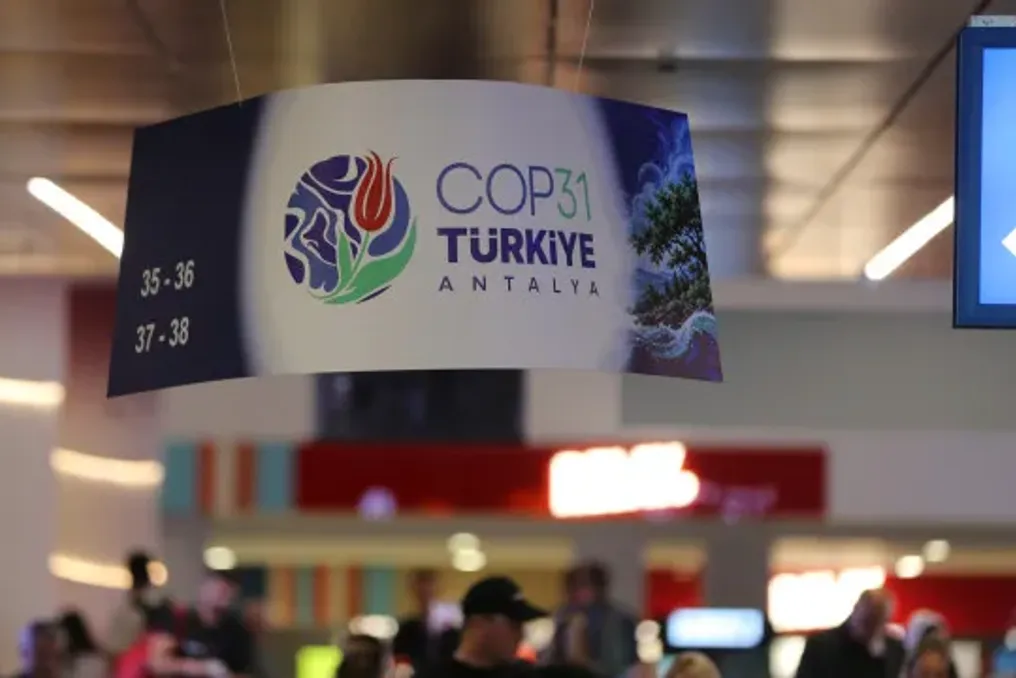
The 31st United Nations Climate Change Conference (COP31) is scheduled to take place in Antalya, Turkey, between November 9th and 20th. This event occurs at a time when two global conflicts—the war in Ukraine since 2022 and the confrontation between Iran, Israel, and the United States since the beginning of this year—are diverting attention from the issue of climate control.
Due to these focal points, a recent UN report, which points out that the planet has already exceeded the 1.5ºC global warming limit above pre-industrial levels defined in 2015 in the Paris Agreement, has received little media coverage. This agreement is seen as a historic milestone for preventing catastrophic and irreversible climate change.
The UN conference, co-chaired by Turkey and Australia, focuses on the evolution of the energy transition and the necessary financing for decarbonization, seeking to revitalize the objectives set out in the Paris Agreement.
To contextualize the discussions of COP31, several concepts were presented. The Paris Agreement, adopted in 2015 at COP21, is an international treaty aimed at reducing Greenhouse Gas (GHG) emissions so that global temperatures do not exceed two degrees Celsius (2ºC) above pre-industrial levels, preferably remaining below 1.5ºC.
Climate Change refers to modifications in the Earth's natural climate patterns caused by human activity, mainly by the massive release of carbon dioxide (CO2) resulting from the intensive use of fossil fuels. These effects include the melting of polar ice caps, desertification, species extinction, ecosystem destruction, forest fires, sea-level rise, droughts, and extreme floods.
Global Warming is the increase in the planet's surface temperature over the last hundred years, driven by human activity, especially the consumption of fossil fuels. According to the World Meteorological Organization (WMO), every decade since 1980 has been warmer than the previous one, with 2024 being the warmest year ever recorded. The UN recognizes the possibility of temperatures rising up to three degrees by 2100.
Other terms addressed include the Ozone Layer, which protects the Earth from solar ultraviolet radiation; Fossil Fuels, such as oil, natural gas, and coal; and the Conference of the Parties to the United Nations Framework Convention on Climate Change, which organizes high-level meetings on environmental protection.
Nationally Determined Contributions (NDCs) are the commitments made by each country to reduce GHG emissions, following the Paris Agreement. Sustainable Development implies satisfying present needs without harming future generations, preserving nature. Carbon neutrality, or net-zero emissions, is achieved when the amount of GHG removed from the atmosphere equals that emitted by human activities, through source reduction and investment in forests.
The pre-industrial era refers to the period before the Industrial Revolution, consensually dated before the second half of the 18th century (1750). Extreme Weather Events are abnormal situations whose frequency is increasing due to human influence, such as heatwaves, severe droughts, and intense hurricanes. The Intergovernmental Panel on Climate Change (IPCC) and the UN warn about the increase of these events.
Greenhouse Gases absorb infrared radiation, warming the planet; although their production is natural, the burning of fossil fuels has increased it exponentially, with CO2 being the main one. Methane warms the Earth 80 times faster than CO2. The Carbon Market allows for the trading of emission credits between countries. Mitigation and Adaptation involve actions to reduce emissions (a global target of 50% by 2050 compared to 1990) and preparation for impacts. The Sustainable Development Goals are the 17 goals of the UN General Assembly's Agenda2030. Finally, Loss and Damage refers to the harm caused by climate change, a concept revisited in 2013 at COP19 in Warsaw.