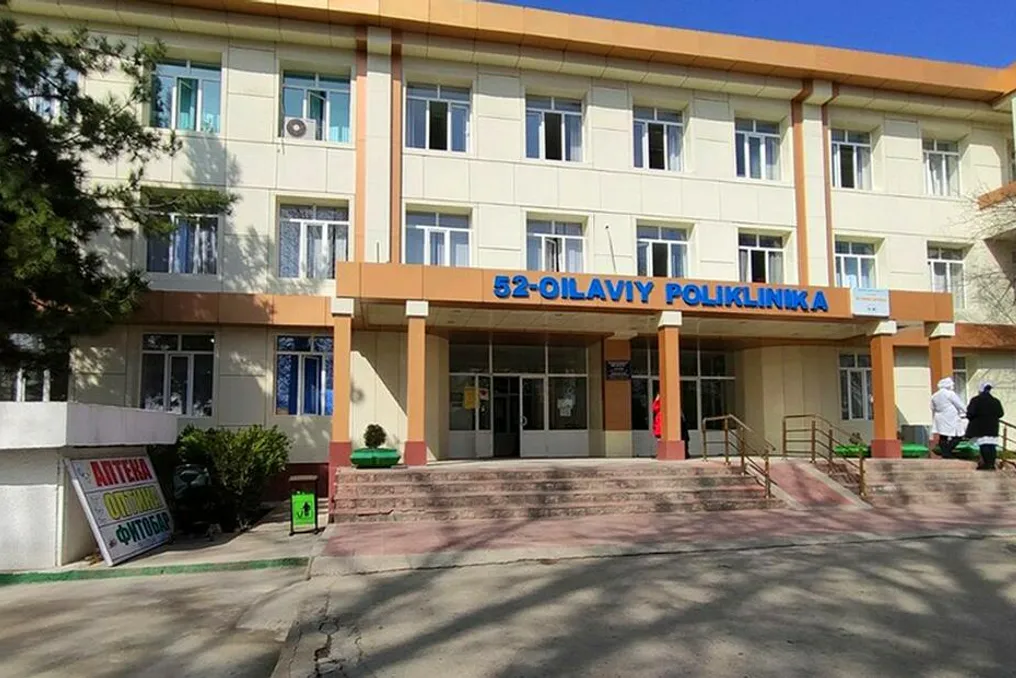
Unified electronic system for monitoring medical outsourcing to be introduced in Uzbekistan
Read more
Podrobno.uz [uz]
podrobno.uz

Unified electronic system for monitoring medical outsourcing to be introduced in Uzbekistan

An electronic system designed to monitor services in the field of medical outsourcing will be launched in Uzbekistan by April 1, 2027. This system will enable tracking of work transferred from state hospitals to private companies, as well as control over the quality of contract execution and compliance with contractual terms.

It is planned that by 2030, the share of clinical and auxiliary services purchased from the private sector will reach 30%. According to the presidential decree, the new platform will form a unified register where information on services, projects, suppliers, and signed agreements will be entered. Data on public procurement, contract validity periods, and their cost will be fed into the system automatically.

The system also provides mechanisms for controlling the fulfillment of all obligations, the quality of provided medical services, the timeliness of payments, and the achievement of established efficiency indicators.

Private companies will be granted the right to use the buildings and premises of state medical institutions free of charge within the framework of existing outsourcing agreements. To obtain this right, an economic justification must be provided, and the accounting of property provision must be included in the calculation of service costs.

Furthermore, large clinics and hospitals requiring significant capital investments plan to implement construction primarily through private investment and in the format of public-private partnerships. The Ministry of Health commits to publishing a list of priority projects annually by November 1. Foreign professional companies are planned to be involved in the management of at least five large medical institutions.

Previously, the start of a phased transition to purchasing medical services from the private sector in Uzbekistan was announced. Entrepreneurs will be provided with space in state hospitals to place equipment. Hemodialysis, laboratory diagnostics, rehabilitation, and physiotherapy have been named among the most priority areas for outsourcing.


Similar stories

Uzbekistan will begin phased procurement of medical services from the private sector
Read more
podrobno.uz

Uzbekistan will begin phased procurement of medical services from the private sector

New outsourcing methods will be introduced into the healthcare system of Uzbekistan, according to which medical services will gradually begin to be purchased from private structures. This was announced by President Shavkat Mirziyoyev during a meeting with employees of the medicine and pharmaceutical sectors.

The President emphasized that new medical institutions will be created according to an approved master plan that takes into account both population density and the location of various territories. He noted that there is an imbalance: in some places there is a shortage of hospitals, while in others capacities are not being fully utilized.

Entrepreneurs will be granted the right to occupy spaces in state hospitals to place modern medical equipment. Financing for the provided services will be carried out through the insurance system. Businesses will be able to purchase services such as hemodialysis, laboratory, sterilization, rehabilitation, and physiotherapy procedures. Furthermore, financing conditions and market mechanisms beneficial to entrepreneurs will be established in each region.

Shavkat Mirziyoyev also commented on the growth in the number of private clinics, which has increased from 3.5 thousand in 2017 to over 9 thousand. He pointed out that the private sector already leads in some high-tech areas: its share reaches 90% in dentistry, 70% in diagnostics, and 60% in ENT services, urology, and ophthalmology.

Nevertheless, the head of state noted a significant gap in development between regions. In Andijan, Fergana, Namangan, Samarkand regions, and Tashkent, about 35–40% of private clinics have inpatient wards, whereas this figure does not exceed 15% in Karakalpakstan, Syrdarya, Jizzakh, and Navoi regions.

The President believes that the participation of the private sector remains insufficient in critically important areas such as rehabilitation, nephrology, oncology, neurosurgery, psychiatry, narcology, and maternity hospitals. These areas will receive increased attention. Regional heads will annually determine and publish land plots designated for the construction of private clinics, putting these lands up for auction exclusively for this purpose.

It was previously announced that a unified master plan for the development of medical infrastructure for the period from 2026 to 2036 would be developed. Shavkat Mirziyoyev added that the placement, construction, and equipping of all medical institutions must take into account the real needs of the local population.

Unified master plan for the development of medical infrastructure is being developed in Uzbekistan until 2036
Read more
podrobno.uz

Unified master plan for the development of medical infrastructure is being developed in Uzbekistan until 2036

A unified master plan will be created in Uzbekistan to cover the development of medical infrastructure from 2026 to 2036. President Shavkat Mirziyoyev reviewed the presentation dedicated to the preparation of this plan, as well as issues regarding increasing the share of the private sector in the healthcare system.

The head of state emphasized the necessity of planning the placement, construction, and equipping of medical institutions taking into account the real needs of residents. Work is scheduled to begin with an inventory of existing facilities. In ten regions, 3,499 facilities were identified, which exceeds the data from the Cadastral Agency by 494 units. It is proposed to conduct a full inventory in all regions, introduce electronic passports for facilities, and form a unified digital real estate register in the healthcare sector.

When compiling the master plan for each region, factors such as population size and growth rates, demand for medical services, current capacity of institutions, and the time required to achieve them will be taken into account. The plan will determine which facilities should be preserved, merged, or renovated, where new buildings need to be erected, and what amount of medical personnel will be required. High-tech and complex procedures will be concentrated in hub centers, while basic and emergency care will remain accessible in district institutions.

Using the example of the Samarkand region, it was shown that despite 80% of the population living in rural areas, hospital beds account for only 41.7%. The master plan aims to increase this share to 67%. Furthermore, in the cities of Urgut, Kattakorgan, and Pastdargom, the creation of 1,500 new beds is planned by 2030.

A draft resolution concerning the expansion of private sector participation was also considered. The procurement of hemodialysis, laboratory diagnostics, and equipment maintenance services under outsourcing conditions is planned. Concluding agreements for up to five years will allow private companies to invest funds on a long-term basis. The President instructed to refine these proposals and implement them in stages.

It was previously mentioned that the World Bank is preparing a financing program worth $100 million to reform primary healthcare specifically in the Samarkand region. This program is aimed at improving conditions in family clinics, enhancing the qualifications of medical workers, and digitizing the entire healthcare system.

Small businesses own two-thirds of outpatient clinics in Uzbekistan
Read more
podrobno.uz

Small businesses own two-thirds of outpatient clinics in Uzbekistan

As of the beginning of 2026, there were 8,912 outpatient and polyclinic institutions operating in Uzbekistan that provide medical care to patients who do not require inpatient treatment. According to data from the statistical agency, a significant share of these facilities belongs to small businesses.

Specifically, 5,929 of these institutions, which accounts for 66.5% of the total number, belong to small business entities.

Distribution of medical institutions by region

The highest concentration of polyclinics and outpatient clinics is observed in Tashkent, where 1,238 such medical organizations are registered. Fergana and Samarkand regions are also highlighted among the leaders in the number of institutions, with 1,098 and 860 institutions functioning there, respectively.

At the same time, the lowest figures were recorded in several regions: Syrdarya region has 226 outpatient facilities, Jizzakh region has 298 clinics, and Karakalpakstan has 379 institutions.

Furthermore, the World Bank is developing a $100 million program to carry out reforms in primary healthcare specifically in the Samarkand region. This program aims to improve the quality of family polyclinic services, train medical personnel, and introduce digital technologies into healthcare.

Popular