India's foreign exchange reserves fell by $2.69 billion to $717 billion
Read more
Business Standard
business-standard.com

India's foreign exchange reserves fell by $2.69 billion to $717 billion

The Reserve Bank of India (RBI) reported on Friday that India's foreign exchange reserves decreased by $2.691 billion, reaching $717.056 billion during the week ending October 30.

Reserves also declined in the previous week, falling by $1.269 billion to $719.748 billion. Previously, reserves had reached an all-time high of $785.706 billion in the week ending September 4. This growth was attributed to a significant inflow of currency under a special preferential swap for diaspora deposits, which attracted a record $133 billion from banks; however, a downward trend has been observed since then.

Experts explain this decline as a result of utilizing FCNR(B) resources and currency protection measures taken by the RBI through dollar sales.

According to data published by the Reserve Bank of India (RBI), during the week ending October 30, foreign currency assets, a key component of reserves, decreased by $2.088 billion, amounting to $591.118 billion.

In dollar terms, foreign currency assets include the impact of fluctuations in the value of non-US currencies such as the euro, pound sterling, and yen held in reserves. The RBI also reported that the value of gold reserves decreased by $559 million, totaling $102.591 billion for this week. Furthermore, Special Drawing Rights (SDRs) decreased by $47 million to $18.558 billion.

The RBI clarified that India's reserve position at the International Monetary Fund (IMF) increased by $3 million, reaching $4.79 billion.

Similar stories

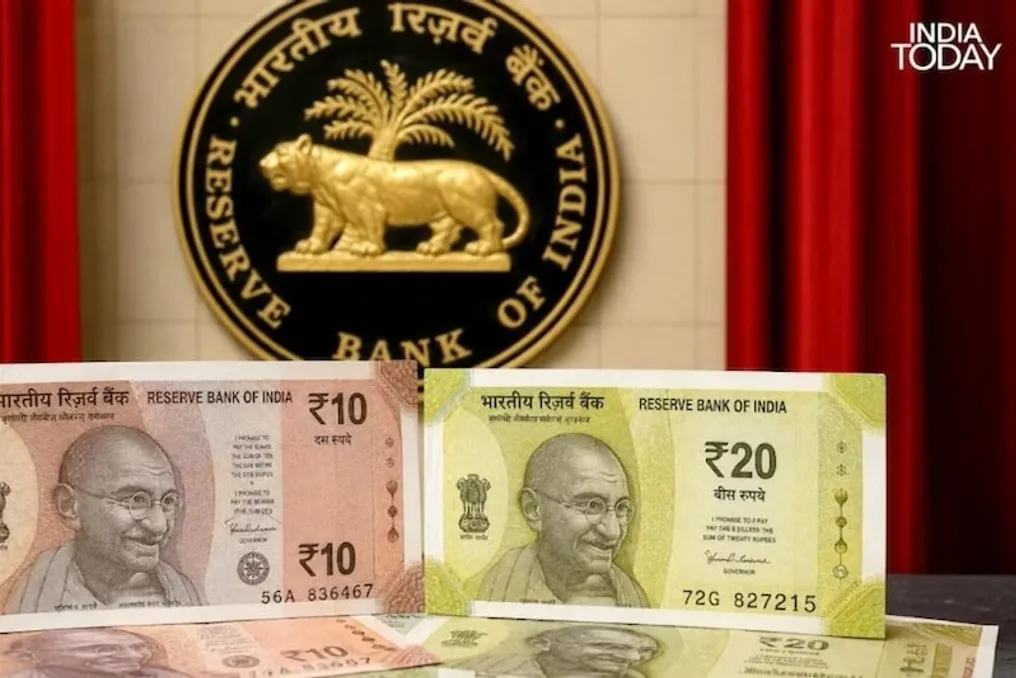
Reserve Bank of India refutes rumors of shortage of ₹10, ₹20, and ₹50 notes ahead of Diwali
Read more
www.aajtak.in

Reserve Bank of India refutes rumors of shortage of ₹10, ₹20, and ₹50 notes ahead of Diwali

The Reserve Bank of India (RBI) has refuted the circulating rumor that there might be issues with the availability of ₹10, ₹20, and ₹50 denomination banknotes during the Diwali holidays. The RBI stated that it has sufficient quantities of all types of banknotes in its vaults and treasuries.

A message circulated on social media platforms, including WhatsApp, claiming that there could be a decrease in the availability of new ₹10, ₹20, and ₹50 notes during the festive season. This message was presented as advice from the RBI, causing concern among consumers and small traders before Diwali.

The Fact Check division of the Press Information Bureau (PIB) also confirmed that this claim is entirely false, and that the RBI has never made any statements regarding a shortage of low-denomination notes.

A fake circular dated October 27, 2026, and numbered 'RBI/2026-27/124' contained a statement that the RBI is gradually reducing the printing of ₹10, ₹20, and ₹50 notes due to the transition to a less cash-based economy and the promotion of digital payments. It included a warning about a possible shortage of these small denominations during Diwali and advised citizens to withdraw or prepare cash in advance to avoid inconvenience during the holidays.

In a post on the social media platform X, the RBI clearly clarified that all types of notes, including low-denomination ones, are always available in sufficient quantity in the RBI's vaults and treasuries, and that the content of the fake circular is misleading. The RBI noted that the notification was fraudulent, using an incorrect name and logo, and the signature was falsified in the name of the bank governor. It reiterated that the bank's vaults and treasuries have sufficient quantities of banknotes of all denominations. The central bank emphasized that it had not issued any recommendations that ₹10, ₹20, or ₹50 notes would be unavailable or that their supply would decrease by Diwali. The bank urged people not to trust this fake circular or forward it further.

According to statements from the RBI and PIB, there is no official restriction on the supply of small notes during the festive period, despite the increased demand for cash for gifts, purchases, and local transactions. Both bodies advised people to check any statements on the Central Bank's official website or through verified social media accounts. The bank requested reliance only on official communications, not on forwards from unverified sources. Banks are expected to continue issuing regular notes from their treasuries.

World Bank forecasts poverty reduction in India by 2028
Read more
timesofindia.indiatimes.com

World Bank forecasts poverty reduction in India by 2028

The World Bank reported that the level of poverty in India, defined as income below $4.2 per day, will decrease from 14.2% in 2026 to 12.1% by 2028.

Between 2011 and 2023, the share of the population living on less than $4.2 per day decreased from 57.7% to 16.1%, which allowed approximately 496 million people to be lifted out of poverty. Furthermore, extreme poverty (income below $3 per day) fell from 27.1% to 2.6% over the same period.

According to the latest World Bank report on poverty and inequality, this progress was primarily driven by strong consumption growth, increased employment, especially among women, and the expansion of social transfers, including food subsidies. However, as poverty levels decline, it has become more concentrated among households with low education levels, few assets, limited access to stable work, and higher dependency ratios. A significant wage gap persists: in 2023, the median earnings of the top 10% of earners were approximately 13 times higher than those of the bottom 10%.

Finance Minister Nirmala Sitharaman welcomed the reduction in the country's poverty rate, noting that the report recognizes India's achievements as a country demonstrating one of the fastest rates of poverty reduction globally. She stated that tangible results are being achieved thanks to the continuous efforts of the government under Prime Minister Narendra Modi, strengthening the foundations for inclusive growth and greater economic opportunities.

Sitharaman added that this contributes to citizens' trust in the NDA government. She emphasized the commitment to further developing this progress through creating productive employment, increasing household incomes, and effectively delivering public services to meet the aspirations of the people.

The World Bank also noted that between 2017 and 2023, employment increased by approximately 134 million people, nearly double the growth in the working-age population. Rural women made the main contribution to this growth by starting paid work, increasing the number of breadwinners in families.

The report states that labor market conditions remain generally stable, with labor force participation and employment figures remaining steady from the first quarter of the 2026 fiscal year to the first quarter of the 2027 fiscal year. Nevertheless, youth unemployment rose from 14.6% to 15.9% between these two quarters, particularly among young rural women. Moreover, real incomes remained largely unchanged, and job growth was concentrated in relatively low-productivity activities.

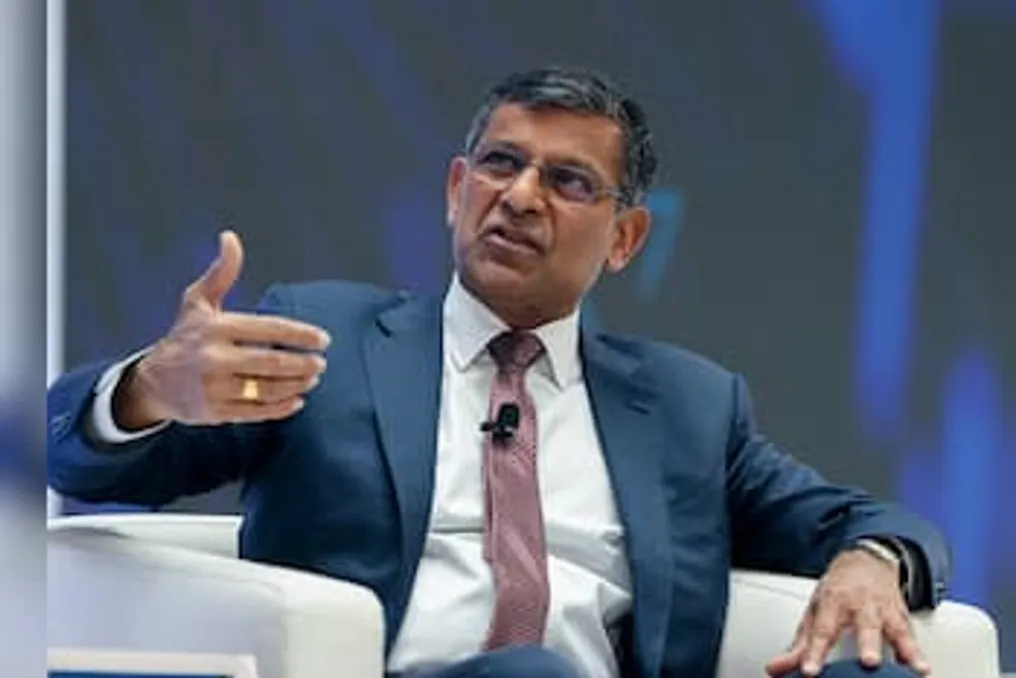
Rajuram Rajan advises India not to deplete reserves to defend the rupee
Read more
business-standard.com

Rajuram Rajan advises India not to deplete reserves to defend the rupee

Rajuram Rajan, former governor of the Reserve Bank of India, stated in an interview with Reuters on Tuesday that India should not focus on a specific level of its currency or use foreign currency reserves to support the rupee.

The rupee has lost about 6% of its value since the beginning of 2026, becoming the second worst performing currency in Asia, and reached a historical low of 96.96 in May. Rajan advised against panicking in this situation.

He warned that there is a possibility of further widening of the current account deficit if oil prices remain high. High oil prices, rising US Treasury yields, and continued outflow of foreign investment have forced the central bank to increase intervention to limit the risk of cascading effects on inflation and overall financial stability.

Earlier this month, RBI Governor Sanjay Malhotra had not ruled out the use of monetary policy measures to stabilize the currency. Rajan, who is now a professor of finance at Chicago Booth School of Business, noted that a balanced decision should be made and the situation viewed in the long term to determine whether it is an exception compared to past events.

He added that some currency devaluation in such a climate is not necessarily a negative phenomenon, as it helps stabilize exports and increases the competitiveness of the country's goods.

India has already used about half of the more than $140 billion obtained through special measures earlier this year to support its currency and absorb excess liquidity from the banking system. Rajan expressed regret that the funds spent on attracting FCNR(B) money could have been quickly spent defending the level, which was historically not practiced.

He also warned that if the Middle East war resumes and the energy infrastructure of Gulf countries is affected, emerging markets dependent on oil consumption will suffer.

Rajan headed the RBI in 2013, during a crisis when India was considered one of the 'fragile five' economies.

Popular