Bihar Museum in Patna Ranks Highly in Global Museum Rankings, Surpassing the Metropolitan Museum and the Louvre
Read more
YourStory [india, en]
yourstory.com

Bihar Museum in Patna Ranks Highly in Global Museum Rankings, Surpassing the Metropolitan Museum and the Louvre

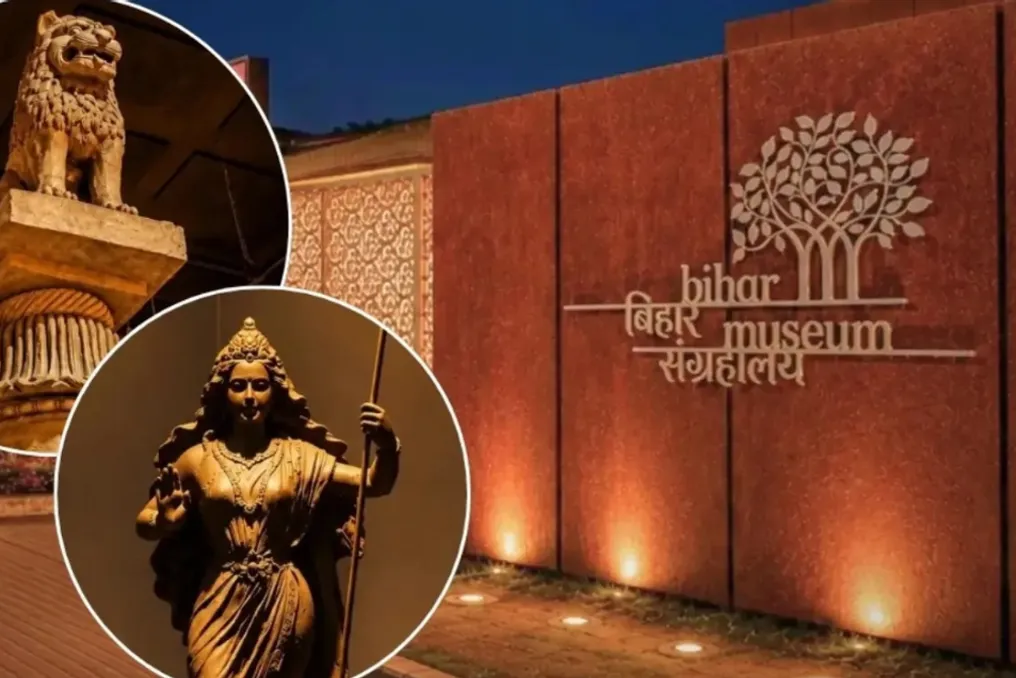
The Bihar Museum, located in Patna, recently gained recognition by ranking higher in global rankings than the Metropolitan Museum in New York and the Louvre in Paris. This museum secured ninth place in the 'Top 100 Museums of the World 2026' list published by the German guide Worth a Journey. The Metropolitan Museum is ranked tenth, while the Louvre is ranked thirty-first.

The Bihar Museum is the only Indian institution on this list and holds the highest position among museums in Asia. For an institution opened only about ten years ago, this is a significant achievement, especially considering that the project initially faced serious opposition, including questions regarding its cost, relevance, and implementation methods.

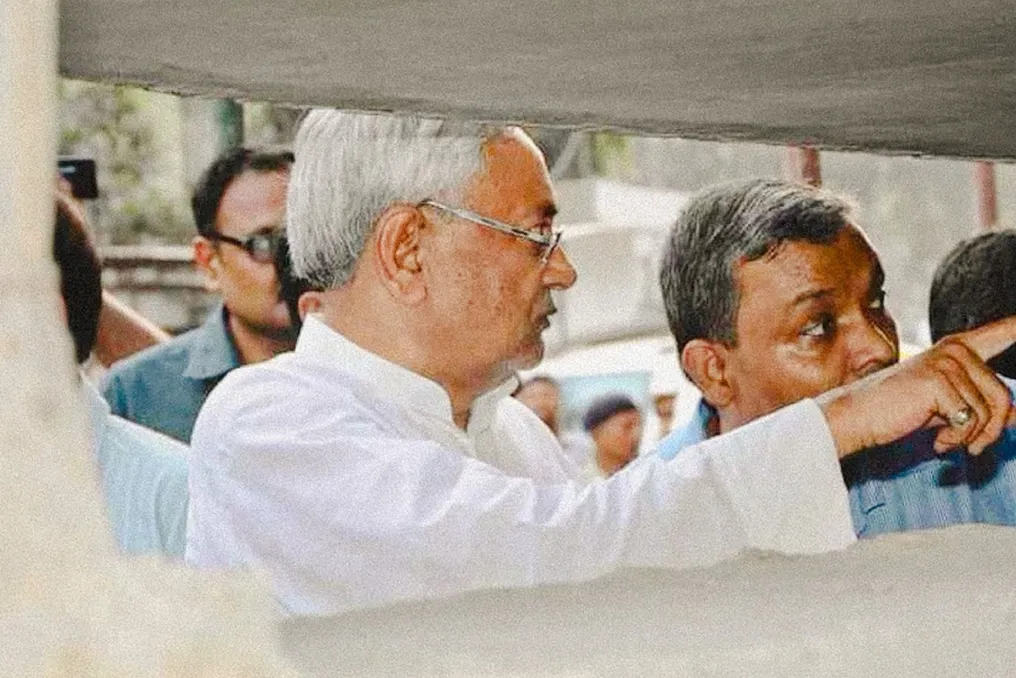
In a recent LinkedIn post, Shraddha Sharma, founder and CEO of YourStory, recalled the contribution of two key figures in the museum's establishment: Nitish Kumar, who promoted the project as the Minister of Bihar, and IAS officer Chanchal Kumar, a 1992 graduate, who was tasked with its execution.

When the state government proposed spending nearly 500 crore rupees to create a world-renowned museum in Patna, the decision drew criticism. Questions arose as to why a state struggling with basic infrastructure should invest such funds in a museum, who would visit it, and whether the money wouldn't be better spent on other needs. According to Sharma, even people within the political elite expressed doubts.

However, Nitish Kumar strongly supported the project, convinced that Bihar needed an institution worthy of its historical and cultural heritage.

The initial difficulties stemmed from land issues. Sharma reported that the proposed 13-acre plot contained seven government bungalows, some occupied by high-ranking officials and the state minister. Clearing these premises required significant administrative effort and legal intervention. She also recounted an incident where men, allegedly connected to local politicians, came to the construction site demanding subcontracts, forcing the police to intervene.

The museum's design was developed by Japanese architect Fumihiko Maki, a Pritzker Prize laureate, in collaboration with the Mumbai-based architectural firm Opolis, and construction was entrusted to Larsen & Toubro. However, attracting internationally recognized architects and a major construction company was only part of the challenge; completing the project became another hurdle.

The museum also faced judicial scrutiny. In June 2015, the Patna High Court, reviewing a public lawsuit, criticized the expenditure of approximately 500 crore rupees and questioned the transparency of the contracting process. The court ruled that the project did not serve the public interest but declined to halt construction as the building was nearing completion. These findings remain an important part of the museum's history.

The museum's international recognition does not erase the questions raised regarding public spending and governance, although the institution has since gained acclaim far beyond Bihar.

Sharma attributes much of the successful realization to Chanchal Kumar, who held dual responsibilities as Secretary of Art and Culture and Secretary of the Building Department. This structure ensured that both the museum's cultural vision and its construction were overseen by the same official.

Sharma noted that upon recently reading Kumar's account of how the museum came to be, she was struck by how little he spoke of his personal contribution. Behind the finished building are years of overcoming permitting procedures, land disputes, administrative resistance, and numerous complexities associated with large public projects. In her words, the political support of Nitish Kumar and the persistence of Chanchal Kumar played a decisive role in bringing the project to fruition.

For Sharma, who grew up in Bihar, this recognition holds a more personal significance. Few places in India can boast the level of historical and intellectual heritage that Bihar possesses. Bodh Gaya is the place of Buddha's enlightenment, Vaishali is closely linked to Mahavira, ancient Pataliputra was the capital of the Mauryan Empire under Ashoka, and Patna is the birthplace of Guru Gobind Singh. Nalanda and Vikramshila were great centers of learning in ancient India. Nevertheless, the modern image of Bihar is often disconnected from this exceptional history. Its achievements are noted in textbooks, but the state struggled to create modern institutions that would evoke similar admiration.

Sharma used an episode from the Ramayana to explain what the museum means to her. Before Hanuman leaps across the ocean to Lanka, Jambavan reminds him of his forgotten strength. Bihar, she hypothesized, needed such a reminder of its potential. The museum provides this reminder. Its galleries house sculptures, coins, manuscripts, and artifacts that bring the region's history to life, including the famous Didarganj Yakshi. And now, a German travel publication has included it in the top ten museums in the world, surpassing institutions with much longer histories and international reputations. Although the ranking is an assessment by one publication, it remains an important moment for a museum that faced so many questions during its creation.
Similar stories

Bihar Museum in Patna Gains Global Recognition, Enters List of World's Best Museums
Read more
www.aajtak.in

Bihar Museum in Patna Gains Global Recognition, Enters List of World's Best Museums

Bihar, often associated with poverty, migration, unemployment, crime, and backwardness, has now secured a place among prestigious global cultural institutions thanks to the museum located in the state capital, Patna. The Bihar Museum ranked ninth in the 'Top 100 Museums in the World' list for 2026. This is the highest position for Asia and the only spot in India's top 100.

The presence of the Bihar Museum's name alongside world-renowned institutions such as the Louvre in Paris and the Metropolitan Museum of Art in New York instills pride in every Indian. This achievement is significant because it elevates Bihar's identity beyond traditional political and economic discussions, placing it on the global stage of history, art, and culture.

Bihar's identity has always been linked to its glorious past: the lands of the Magadha empire, the Mauryan and Gupta periods, educational centers like Nalanda and Vikramashila, as well as the traditions of Buddhism and Jainism, which have contributed immensely to world culture. However, paradoxically, in the modern era, Bihar has struggled to effectively present its historical and cultural heritage to the world. At times, discussions about Bihar became synonymous with the 'jungle government' and political instability.

The task of changing the state's image was not just about improving road infrastructure, electricity supply, and law and order; it also required reasserting Bihar's historical distinctiveness and cultural confidence. In this context, the concept of the Bihar Museum must be considered. Former Chief Minister Nitish Kumar included this project in his ambitious plans, beginning concrete work on its formation around 2013, although the initial idea predated that.

The goal of the project was not merely to gather old statues and artifacts in one building but to create a modern museum capable of presenting Bihar's history on a global level. The involvement of Japanese architect Fumihiko Maki and Indian colleagues lent the project an international architectural perspective. Part of the museum was opened to the public in 2015, and the main exhibition halls were grandly inaugurated in 2017. Thus, transforming a political decision into an institutional reality required years of planning, administrative effort, and expert knowledge.

Nitish Kumar often receives credit for efforts to change Bihar's image. Although his tenure faced debate and criticism regarding law and order, roads, education, and basic amenities, a project like the Bihar Museum is viewed as an example of his cultural vision and administrative priority. Evaluating the government's achievements is not limited to momentary statements. There are projects whose significance endures even after a change in power. The museum is precisely such a public institution. Its creation is decided by one government, but future generations benefit from it.

The importance of this achievement is amplified by the fact that many major universities, technical institutions, research centers, and hospitals in India strive for international recognition. Concerns are often voiced about the limited presence of Indian institutions in global rankings. At a time when the state of Bihar's museum enters the top ten globally, it demonstrates that international recognition is not a privilege reserved only for megacities or wealthy states. With proper planning, professional management, a quality collection, and effective presentation, world-class institutions can be created even in smaller towns.

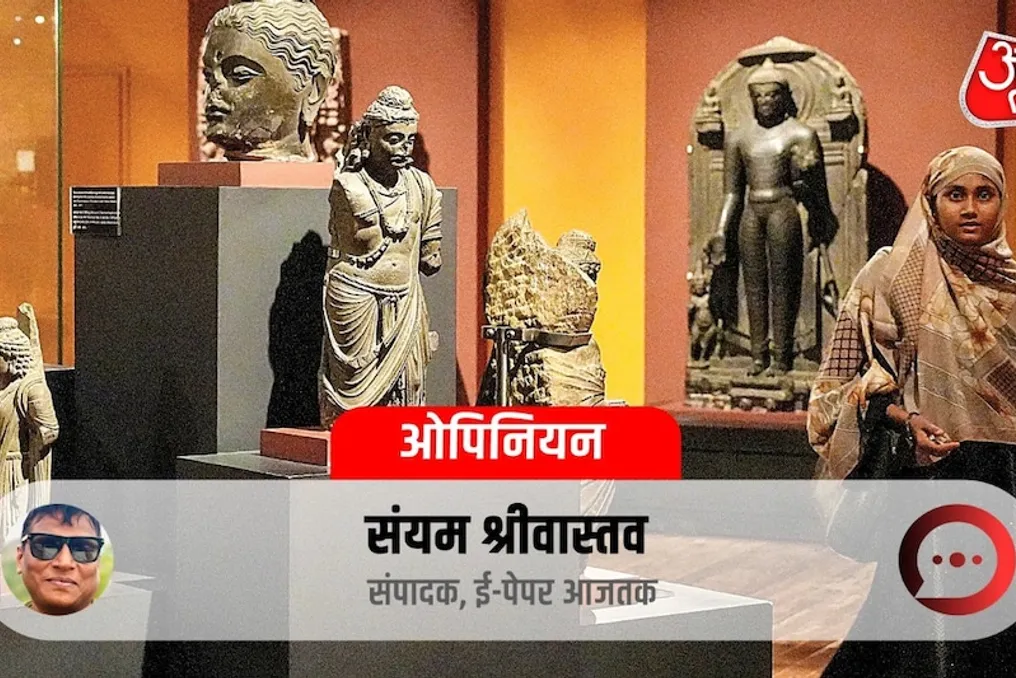
The success of the Bihar Museum is not just the success of a building. The historical heritage housed within introduces visitors to the long journey of Bihar's civilization. Ancient sculptures, archaeological finds, manuscripts, coins, and folk art tell the story of a society that played a vital role in shaping Indian history and culture. A historical artifact such as Yakshi Didarganj is a hallmark of this museum. Dedicated children's halls and modern exhibitions make it useful not only for researchers but also for the general public and the new generation.

Nevertheless, caution is necessary regarding this achievement. The 'Worth a Journey' ranking is published by a travel publication that prepares it based on its data, algorithms, and direct observations. It should not be considered an indisputable academic ranking of all museums worldwide. However, this does not diminish the significance of the achievement. The mere inclusion of Patna's museum in such an international rating is a major event. The task now is to transform this recognition into a sustained positive experience through preservation, research, and international cooperation.

The recognition received by the Bihar Museum represents both an opportunity and a message for Bihar. An opportunity to use its history, archaeology, and cultural tourism as a foundation for a new economy. The message is that Bihar's identity should not be defined solely by past glory or current problems. Modern universities, top hospitals, research centers, technical centers, and industries must develop here with the same ambition as...

Bihar Museum ranks ninth in world rating, surpassing New York's Metropolitan Museum of Art
Read more
thebetterindia.com

Bihar Museum ranks ninth in world rating, surpassing New York's Metropolitan Museum of Art

The question of what makes a museum worthy of global travel finds an answer in the Bihar Museum, located in Patna. This museum was included in the list of the top 100 museums in the world for 2026, securing ninth place. It surpassed well-known institutions such as the Metropolitan Museum of Art in New York and the Louvre in Paris.

The independent guide Worth a Journey, based in Munich, Germany, compiled this ranking using data analysis, visitor reviews, and on-site assessments. The Bihar Museum is the highest-ranked museum in Asia and the only Indian institution to make the top 100.

In addition to the ranking, visitors can expect to see ancient sculptures, archaeological treasures, folk art, and modern architecture, which together tell the story of a region with centuries of cultural heritage.

Modern Space for Ancient Stories of Bihar

The Bihar Museum was established in 2015 with the aim of providing a more spacious venue for exhibiting the extensive collection of historical artifacts from the state. Although the existing Patna Museum already possessed a significant collection, the new institution allowed the heritage of Bihar to be presented on a much grander scale.

Spanning over 13 acres, the museum was designed by Japanese architect Fumihiko Maki in collaboration with Opolis Architects from Mumbai. The result is a modern building featuring large galleries, open courtyards, and landscaped areas, making the museum visit an event in itself.

Inside the exhibition, visitors are guided through the history of Bihar, starting from early civilizations up to 1764. Ancient sculptures, archaeological finds, coins, and manuscripts provide insight into the lives, beliefs, and artistic traditions of people who lived here long before the formation of the modern state.

The museum also pays attention to living traditions, housing galleries dedicated to folk and contemporary art. These collections collectively narrate a history that extends beyond dynasties and dates, exploring how people expressed themselves through culture and art.

What Makes It Worth a Visit?

For families with children, the museum offers a special Children's Gallery, featuring themes such as animals, folk art, culture, and science. This allows younger visitors to interact with exhibits, going beyond simply viewing items behind glass.

The Diaspora Gallery explores Bihar's connections with communities outside the state, adding another dimension to its history. Furthermore, for guests wishing to taste local flavors, the museum has a restaurant offering Bihari cuisine.

The architecture is also one reason to spend time here. The interplay between enclosed galleries, open spaces, and landscaped courtyards gives visitors opportunities to pause between viewing exhibits. Instead of perceiving history as a series of artifacts to rush through, the museum provides several ways to study it at one's own pace.

For anyone visiting Patna, it is a chance to discover Bihar through its art, people, and past, all under one roof.

What Supports the Bihar Museum?

The Bihar Museum's placement at ninth in the ranking places it among the most renowned cultural institutions globally. The 2026 list is topped by the National Museum of Anthropology in Mexico City, followed by the Prado Museum in Madrid and the Louisiana Museum of Modern Art in Denmark. The State Hermitage Museum in Russia ranks fourth, and the Vienna Museum of Art History is fifth.

The Şanlıurfa Archaeological Museum in Turkey is sixth, followed by the Museum of World War II in Poland and the National WWII Museum in New Orleans, USA. The Metropolitan Museum of Art is tenth, and the Louvre is thirty-first.

For its 2026 edition, Worth a Journey analyzed over a million locations to create 36 lists of the best places in the world across travel and hospitality categories. The museum ranking draws attention to destinations that do not always receive the same global recognition as their more famous counterparts.

A Reason to Discover Bihar Differently

Visiting the museum can change a person's perspective on a place. A sculpture becomes a key to an ancient civilization; a piece of folk art opens a window into daily life; and the architectural space transports centuries of history into the present.

At the Bihar Museum, these stories merge in an environment that is simultaneously very modern and deeply rooted in the region it represents. Its position among the world's top ten gives travelers another reason to include Patna in their itinerary. More importantly, it invites them to look beyond conventional tourist destinations and uncover the many layers of India's cultural heritage, gallery after gallery.

Nine Ancient Indian Historical Monuments Older Than a Thousand Years That Retain Their Beauty
Read more
www.aajtak.in

Nine Ancient Indian Historical Monuments Older Than a Thousand Years That Retain Their Beauty

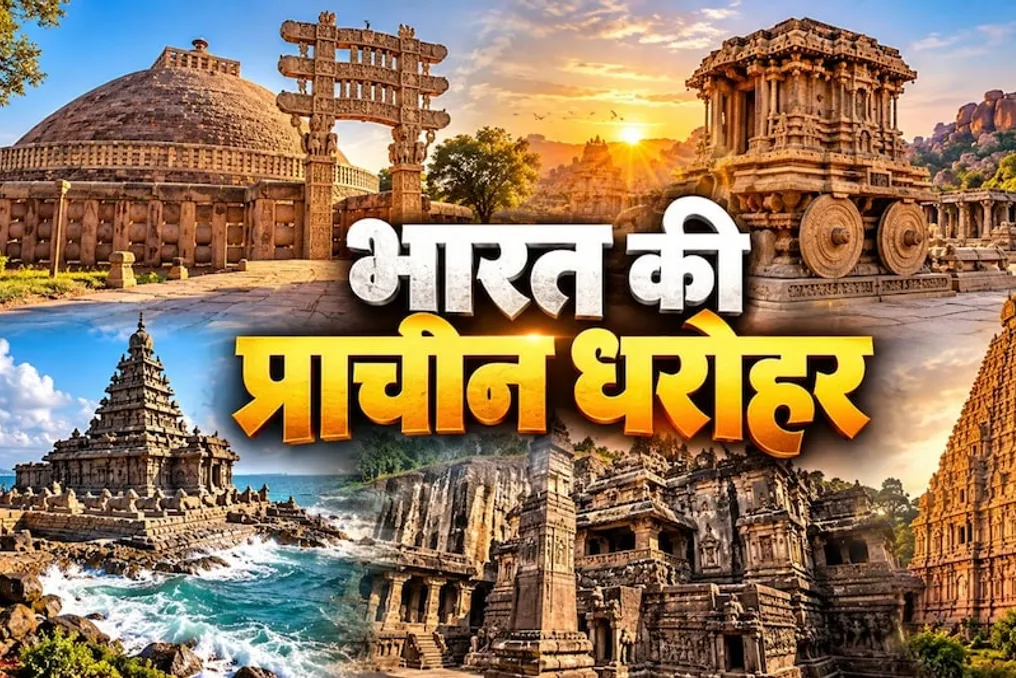
India is home to numerous sites renowned not only for their beauty but also for their long history. Ancient temples, massive stupas, and rock-cut caves are outstanding examples of Indian art and architecture. Notably, many of these monuments are older than a thousand years, yet they continue to impress visitors with their grandeur and unique design.

Detailed carvings on the walls, tall spires, and the finest craftsmanship demonstrate the skill of artisans from that era. Those interested in history and travel should learn about these historical structures of India. Some serve as major centers of religious faith, while others are known worldwide for their unique structure and historical significance. Let us examine eight such historical monuments of India.

Sanchi Great Stupa, Madhya Pradesh

The Great Stupa at Sanchi, located in Madhya Pradesh, is one of the oldest Buddhist monuments in India. Its construction began during the reign of Emperor Ashoka in the third century BCE. This stupa is known as a repository of relics associated with Buddha. The delicate carvings on its entrance gates attract tourists, offering an opportunity to study the history of Buddhism and ancient Indian art in detail.

Shore Temple, Mahabalipuram, Tamil Nadu

The Shore Temple, situated in Mahabalipuram, Tamil Nadu, dates back to the eighth century. It was built during the reign of the Pallava king Narasimhavarman II. Located on the coast of the Bay of Bengal, this temple is famous for its magnificent stone construction. It is considered one of the early stone temples of South India. This temple is included in the UNESCO World Heritage List and serves as a brilliant example of ancient Indian architecture.

Kailasa Mandir, Ellora, Maharashtra

The Kailasa Mandir in Ellora, Maharashtra, is famous for its unusual form. This temple, built in the eighth century, was created by carving out of a single giant rock. The temple is dedicated to the god Shiva, and its structure is believed to be inspired by Mount Kailash. The carvings on the walls, columns, and sculptures of the temple demonstrate the skill of ancient masters. The creation of such a temple from one enormous rock is an example of the amazing engineering of that time.

Hajuraho Temples, Madhya Pradesh

The temples in Khajuraho, Madhya Pradesh, were built during the Chandelas' rule, approximately between 950 and 1050 CE. These temples are known worldwide for their intricate sculpture and magnificent carvings. The stones depict scenes related to deities, dancers, and daily life. The art of these temples reflects the Indian culture, religious beliefs, and way of life of that period. Initially, there were about 85 temples here, of which about 25 have survived to this day.

Barabar Caves, Bihar

The Barabar Caves, located in Bihar, are considered among the oldest rock-cut structures in India. Their construction dates back to the third century BCE, during the Mauryan period. These caves were used by followers of the Ajivika sect. The granite walls and the smooth, glossy surface of the interiors are particularly valuable. Such precise work without the use of modern machinery testifies to the technical understanding of ancient India.

Brihadeeswarar Temple, Tamil Nadu

The Brihadeeswarar Temple in Thanjavur, Tamil Nadu, was completed around 1010 CE during the reign of the Chola emperor Rajaraja I. This temple is dedicated to the god Shiva and is known for its monumental structure. Its high vimana, or main spire, is visible from afar. A huge statue of Nandi is also located within the complex. Despite being over a thousand years old, religious rituals are still performed here.

Lingaraj Temple, Odisha

The Lingaraj Temple in Bhubaneswar, Odisha, is presumed to have been built in the 11th century. It is dedicated to the god Shiva and is a fine example of Kalinga architecture. The temple's tall spire and small shrines within the complex lend it beauty. The fine stone carving makes it unique. In addition to its religious significance, this temple reflects the ancient art and architectural style of Odisha.

Virupaksha Temple, Hampi, Karnataka

The construction of the Virupaksha Temple in Hampi, Karnataka, dates back to approximately the 7th century. It is dedicated to the form of Shiva Virupaksha. The temple's beauty is enhanced by a high entrance, mandapas with massive columns, and delicate sculptures. During the Vijayanagara Empire, the temple was expanded. It is important to note that religious services have been held here for centuries, and this temple is an integral part of Hampi's historical identity.

Badami Caves, Karnataka

The cave temples in Badami, Karnataka, were created between the sixth and seventh centuries. They are considered an example of the magnificent architecture of the Chalukya dynasty. These four caves, carved into red sandstone, contain sculptures belonging to Hinduism and Jainism. Among the main attractions are depictions of Nataraja Shiva and various forms of Vishnu.

Why Are These Ancient Indian Monuments So Important?

These historical monuments of India hold great significance...

Popular