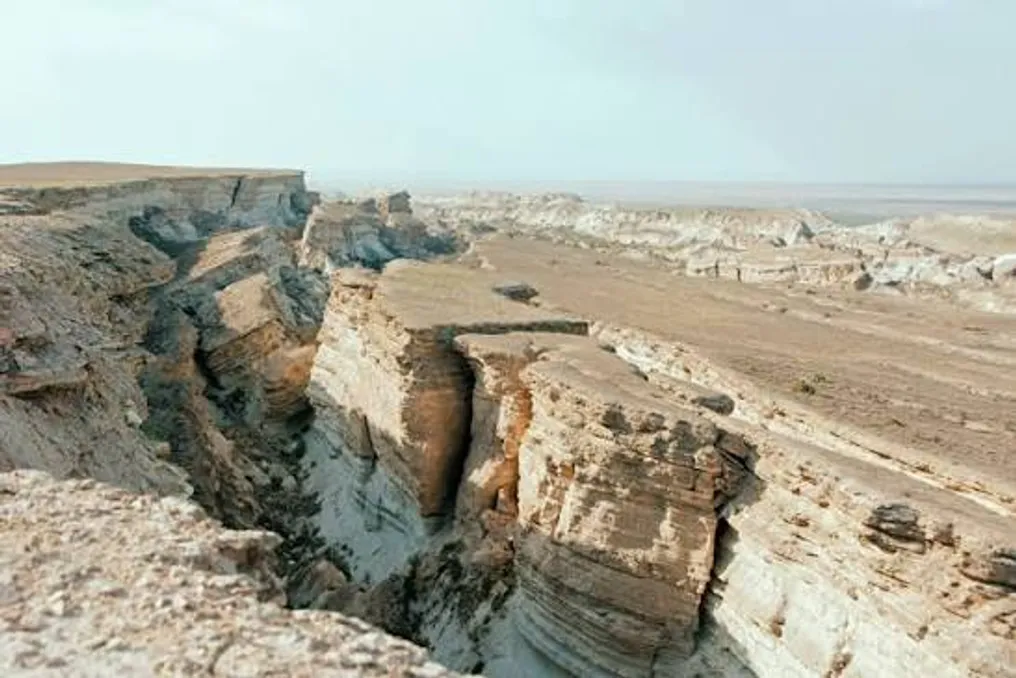
A large-scale 3D seismic survey has been completed in the Ustyurt region, covering an area of 3.3 thousand square kilometers. Now, the Australian firm DUG will take on the processing of this data to identify the most promising zones for subsequent oil and gas exploration.
The contract for conducting the work with DUG was signed by Ustyurt Operating Company (UOC), which is responsible for implementing the oil and gas project in the Ustyurt region. Representatives of UOC reported that the field studies were conducted in a short timeframe while maintaining high quality of the collected information. According to UOC estimates, the seismic survey itself is one of the most advanced in Central Asia due to the high density of collected data.
Processing the obtained materials will allow experts to study the geological structure of the area in more detail and determine specific sites requiring further exploration. Within the framework of this project, the study of six investment blocks in the Ustyurt region is planned: Boiterak, Terengkuduk, Birgori, Karay, Karakalyk, and Kulboy.
The Production Sharing Agreement (PSA) for this project was signed in July 2025 between the State Oil Company of Azerbaijan SOCAR, Uzbekneftegaz, and the Ministry of Energy of Uzbekistan. Later, the British company BP joined this agreement, receiving a 40% stake distributed at 20% from each of the original partners.
According to the PSA terms, investors are obliged to conduct 3D seismic surveys over at least one thousand square kilometers within five years. In fact, the work has already exceeded this figure, having been carried out over an area of 3.3 thousand square kilometers, and one exploratory well has been drilled. If industrial hydrocarbon reserves are discovered, the stage of preparation for field development and commencement of production will begin.
The potential of Ustyurt is assessed as very significant: 100 million tons of oil and 35 billion cubic meters of natural gas. The total capital investment in this project may reach approximately 2 billion dollars. It should be noted that new Karatau gas condensate fields were previously discovered in the Muynak district of Karakalpakstan as a result of geological exploration work.