UAE Launches Dental Health Screening for Kindergarten Students in Public Schools
Read more
Khaleej Times
www.khaleejtimes.com

UAE Launches Dental Health Screening for Kindergarten Students in Public Schools

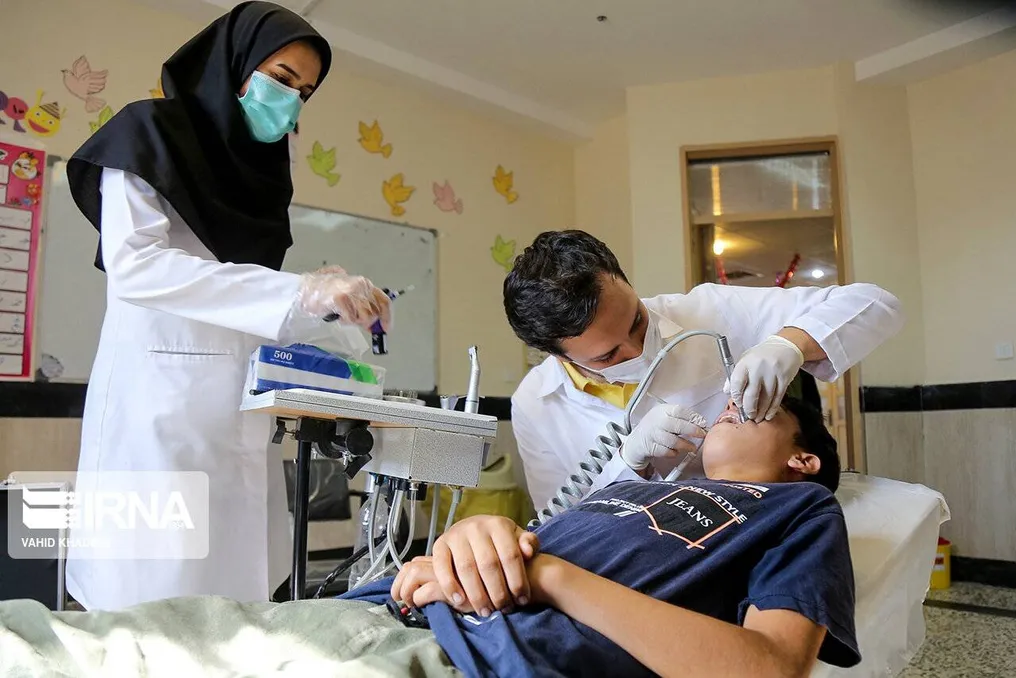
The UAE Ministry of Health and Prevention (Mohap) has begun implementing a project to check the oral health and teeth condition of kindergarten first-graders (KG1) in public educational institutions across the country.

This project is being carried out in collaboration with the Ministry of Education and the Emirates Health Services (EHS) and aims to identify dental and oral health problems before children enter primary school.

Families can have their children examined at public medical centers managed by EHS or at private medical facilities. The check will include an examination for caries, gum diseases, and other conditions that could negatively affect the child's health, development, and ability to learn.

Officials noted that this initiative is designed to make regular dental check-ups an integral part of caring for children's health from an early age, preventing the need to seek help only after pain or symptoms appear.

Dr. Hussain Al Rand, Assistant to the Deputy Minister of Public Health Sector in Mohap, emphasized that the project reflects a national priority in prevention. He stated that 'promoting oral and dental health from preschool age helps form healthy habits that will stay with children throughout their lives.'

Al Rand also noted that families play a key role in monitoring children's health and encouraging daily habits that support oral health, alongside the efforts of the education and health sectors.

This initiative aligns with the UAE's plans for preventive medicine and the World Health Organization's oral health strategy for 2023–2030, which calls for greater attention to early detection and prevention.

Tarek Al Hashimi, Assistant to the Deputy Minister of School Operations in Dubai and Northern Emirates of the Ministry of Education, stated that health status is closely linked to children's readiness to learn. He added that the ministry will continue to collaborate with partners on projects that promote prevention among students and families from the earliest stages of education.

Al Hashimi stressed: 'Health supports children's readiness to learn, improving their ability to participate and engage, and allowing them to maximize their educational experience.'

Dr. Essam Al Zarouni, Executive Director of the Medical Services Sector in EHS, reported that conducting screenings through EHS centers will help detect problems in a timely manner and refer children in need to the appropriate services. He also specified that EHS will link this screening to health awareness and subsequent follow-up to ensure continuity of care during the early stages of children's growth and development.

Similar stories

Information on Seasonal Flu in the UAE: Availability of Free Vaccines for Students
Read more
www.khaleejtimes.com

Information on Seasonal Flu in the UAE: Availability of Free Vaccines for Students

The flu season in the United Arab Emirates (UAE) often causes concern among parents regarding children contracting the flu at school and subsequently spreading the virus at home. In the 2026-27 season, students are included in priority groups for receiving free influenza vaccination in the UAE, although access to this service varies depending on the emirate.

While campaigns are being conducted in schools in Sharjah and the Northern Emirates, parents in Dubai may need to explore other options. In Abu Dhabi, children aged five to eighteen years old are entitled to free vaccination.

In Sharjah, Ajman, Umm Al Quwain, Ras Al Khaimah, and Fujairah, eligible children can receive the seasonal influenza vaccination free of charge through school health services supported by the Emirates Health Services (EHS). Parents are advised to check with their schools regarding vaccination dates, eligibility criteria, and consent forms.

At the Ambassador School in Sharjah, according to Director Aroghi Reddy, the vaccination campaign will cover both students and teachers. The school has received confirmation from the relevant health authority. Furthermore, the school is organizing vaccination opportunities for absent children, providing families with an additional chance.

Reddy noted that a similar initiative was conducted at their school last year, calling it a 'superb government initiative.' Indian School Sharjah has also notified families about the vaccination schedule. Director Pramod Mahajan stated that the school organizes events in phases to accommodate different age groups. He emphasized that parental consent is required before administering the vaccine, as schools must consider family decisions, some of which are affirmative and others are negative.

In Abu Dhabi, children aged five to eighteen are part of the priority groups eligible for free influenza vaccination in the 2026-27 season. Parents should contact their child's school or healthcare provider to find out if vaccination is organized on campus or needs to be obtained at a designated facility.

Dubai has a different approach this academic year: there is no free school-based influenza vaccination program for private school students. However, parents can consult healthcare providers. Coverage depends on insurance, eligibility, and provider policy. Families are also advised to check with the school nurse or at a clinic for vaccination initiatives.

Dr. Mirrah Aga-Kandil, Group Medical Director at GEMS Education, explained that the group's approach to seasonal flu prevention includes vaccination, as well as health awareness campaigns and practical measures to reduce virus transmission. Her medical teams actively promote seasonal flu awareness through targeted campaigns, emphasizing the importance of vaccination, hand hygiene, respiratory etiquette, and responsible health practices, including urging students and staff to stay home when unwell.

She added that GEMS also facilitates access to flu vaccines through partnerships and discount programs for families, giving members of its wider school community the opportunity to get vaccinated through participating medical facilities. 'Our approach goes beyond just vaccination, focusing on fostering a culture of prevention and overall responsibility among students, parents, and staff,' she stated.

Seasonal influenza vaccination is not mandatory for students in the UAE; parents decide whether their child will be vaccinated, taking into account medical advice and individual circumstances. The national UAE campaign to raise awareness about seasonal flu runs from September 1, 2026, to March 31, 2027. The Dubai Health Authority (DHA) recommends annual influenza vaccination in September or October.

Nevertheless, families who have not yet arranged vaccination can discuss its availability and suitability with their doctor during the campaign period. Dr. Praveen Srikantalal, a pediatric consultant at NMC Specialty Hospital in Abu Dhabi, warned parents not to mistake the flu for a common cold. He noted that while most children recover completely, some may develop serious complications requiring hospitalization, and even healthy children can contract pneumonia and dehydration.

Students are particularly susceptible to respiratory infections due to close contact with classmates. They can also carry the virus home to younger siblings, infants, and elderly relatives, making prevention important not only in the classroom. Srikantalal recommended annual influenza vaccination for children aged six months and older, with particular urgency for those with co-existing conditions such as asthma, chronic lung diseases, heart disease, kidney disease, or weakened immunity. He also stressed that immunity typically develops about two weeks after vaccination.

Parents should consult a doctor regarding the appropriate vaccine and timing of administration, especially if the child has an existing condition or has never been vaccinated against the flu before. For children apprehensive about injections, parents can ask the healthcare provider if a nasal spray is suitable for them. This option is available at certain medical facilities in the UAE but is not suitable for every child. There are two main types of vaccines: inactivated injectable vaccines and nasal sprays. The nasal vaccine is suitable for eligible healthy children aged two years and older but is contraindicated in immunocompromised children and children aged two to four with asthma or recent coughs. Older children with asthma should consult their doctor.

Ministry of Health offers dental services as part of oral health week
Read more
www.tehrantimes.com

Ministry of Health offers dental services as part of oral health week

During the week dedicated to the national campaign for oral and dental health, which took place from October 17 to 23 across the country, the Ministry of Health provided various dental services.

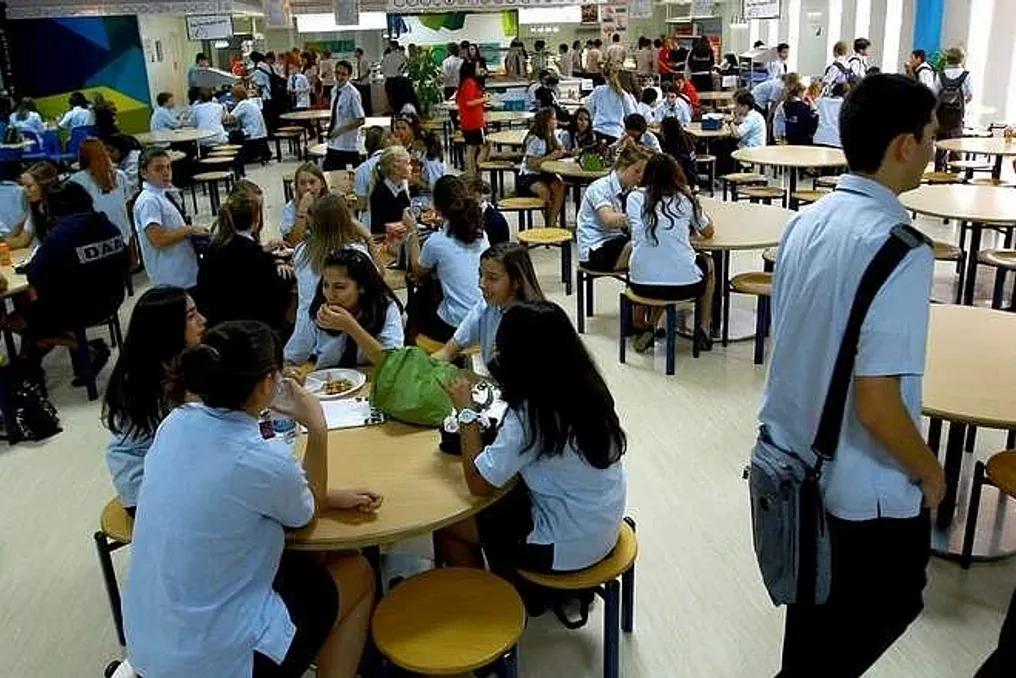
The main focus of the campaign was on education, self-help, prevention, and raising awareness about the importance of oral health. The Ministry of Health, in collaboration with the Ministry of Education, conducted oral hygiene educational events in schools to improve the knowledge of children and their families in this area.

Dental check-ups were carried out in schools, focusing on proper tooth brushing, application of fluoride varnish, encouraging healthy habits, and referring those needing further treatment to medical centers.

With the help of school health ambassadors and medical workers in educational institutions, students were informed about proper nutrition, as well as how to brush and use dental floss correctly.

According to Zahra Korbani, an employee of the Ministry of Health, dental services were provided not only in schools but also in rural and urban areas with populations under 20,000. Pregnant women, mothers with children under two years old, and children up to 14 years old received free oral health packages and dental treatment.

Korbani also reported that in other cities, dental services were offered with medical insurance covering 70 percent of total expenses. These services included tooth extraction, fillings, professional cleaning, and preventive care.

The employee emphasized that the Ministry of Health's programs are not limited to the oral health week; the ministry strives to improve both the accessibility and quality of services by modernizing equipment, supplying necessary materials, and deploying dentists to areas lacking specialists.

Addressing the high costs of dental treatment, Korbani noted that the primary task of the Ministry of Health is to prevent diseases and reduce the need for expensive medical care. To preserve natural teeth, promote oral health, and lessen the financial burden, dental services should target people at an early age while increasing access to necessary treatment.

The weekly event was held under the slogan 'Don't forget two times two, brush your teeth two minutes twice a day,' as stated on the Ministry of Health website. Furthermore, the Ministry of Health utilized the potential of dental clinics, mass media, and social networks to conduct educational and preventive programs related to oral health, aiming to popularize self-help and increase public literacy on oral health matters.

Korbani mentioned that in the past Iranian year, the program was implemented in about 34,000 schools, providing services to over three million students nationwide, according to January data.

World Oral Health Day (WOHD) is observed annually on March 20 to provide people with the tools and knowledge to prevent and control oral diseases that affect nearly 3.5 billion people worldwide. It encourages people to take care of their oral health by maintaining good hygiene and managing risk factors.

The theme of WOHD 2026, 'Happy Mouth – Happy Life,' focused on oral health as the foundation of lifelong well-being—from a baby's first teeth to maintaining a healthy smile in old age.

Popular