Annual inflation in Uzbekistan reached 6.5% in October
Read more
UzDaily
uzdaily.uz

Annual inflation in Uzbekistan reached 6.5% in October

According to the National Statistical Committee, consumer prices in Uzbekistan rose by 0.6% in October 2026, while the annual inflation rate reached 6.5%. Previously, in October 2025, the annual rate was 7.8%, and in September 2026, it was 6.4%.

Since the beginning of the current year, prices have increased by 4.8%, which is lower than the 5.7% recorded for the period from January to October 2025. If fruits and vegetables are excluded, the price growth during the month was 0.5%, corresponding to the level in October of last year. For the period from January to October, price growth amounted to 6.1%, compared to 7.2% a year earlier, while the annual indicator decreased from 8.6% to 6.8%.

Main factors driving price growth

The main driver of monthly price growth was the food category. The 'Food and non-alcoholic beverages' segment increased by 1.0%, adding 0.39 percentage points to the overall index, accounting for 62.9% of the total increase in this category. Housing and utilities, as well as transport, also contributed, each adding 0.12 percentage points, while other categories added 0.11 percentage points. The total monthly increase was 0.62 percentage points.

Among staple foods, excluding fruits and vegetables, eggs showed the largest monthly growth, rising by 5.2%, which is 12.7% higher than a year ago. Chicken drumsticks and thighs increased by 1.6%, and lamb, fish, and seafood rose by 1.4%. Bone-in beef and whole poultry became 1.2% more expensive, minced meat rose by 1.1%, and the average price of milk increased by 1.0%. White-feathered beef rose by 0.9%, and premium flour bread by 0.7%.

Throughout the year, meat showed the most significant increases among the listed food products: lamb rose by 19.5%, bone-in beef by 17.1%, bone-in beef by 15.6%, and minced meat by 14.8%. Sugar prices fell by an average of 2.2% in October, but they remained 0.6% higher than a year ago.

Dynamics of fruit and vegetable prices

Seasonal factors influenced the cost of fruits and vegetables. Lemons became 15.0% cheaper during the month, grapes dropped by 7.5%, apples by 3.0%, and bananas by 1.3%. Vegetable prices moved in the opposite direction: eggplant and cucumbers rose by 9.0%, tomatoes by 8.8%, bell peppers by 8.7%, and potatoes by 5.3%. Nevertheless, compared to October 2025, eggplants were 31.6% cheaper, cucumbers were 21.2% cheaper, and potatoes were 3.5% cheaper.

By major expenditure groups, prices for goods rose by 0.6% in October, by 4.3% since the beginning of the year, and by 6.1% year-on-year. Food prices increased by 1.0% monthly and by 6.4% annually, which is higher than the 5.9% annual growth a year ago. Non-food items rose by 0.2% in October and by 5.6% year-on-year.

Service prices rose by 0.6% during the month and by 6.3% since the beginning of the year, significantly higher than the 12.7% recorded for the same period last year. Annual service inflation was 7.3%, down from 14.4% in October 2025.

Changes in transport tariffs

Significant changes occurred in passenger transport tariffs in Tashkent. New tariffs came into force in the capital in October, leading to a 26.1% increase in metro fares. The fare for city buses in Tashkent also rose by 26.1%, while the average increase across Uzbekistan was 7.1%. The statistical agency took into account various payment methods when calculating indices. The average taxi fare increased by 1.3%, including 2.5% in Tashkent.

Gasoline prices rose by an average of 1.0% in October and 19.5% over the year. AI-92 gasoline rose by 0.5%, AI-95 by 2.6%, and AI-98 and AI-100 by 5.3%. In October, the price of AI-92 gasoline fluctuated between 10,500 and 18,000 soms per liter, AI-95 between 13,500 and 21,500 soms, and AI-98 and AI-100 between 16,500 and 28,000 soms.

Propane gas prices rose by 0.4% monthly and 44.7% year-on-year, with the upper limit of the price range reaching 10,000 soms per liter. Methane prices remained unchanged in October, although they were 10.0% higher than a year ago.

Average fuel prices were calculated based on tax authority data for the period from October 1 to 25. The statistical agency used 29,245 gasoline price quotes from 858 points, 8,464 propane price quotes from 368 points, and 14,284 methane price quotes from 570 points.

The cost of domestic air tickets decreased by 1.4%, attributed to the strengthening of the sum against the euro. International air tickets, conversely, rose by 0.7%, as higher fuel surcharges outweighed the downward pressure from exchange rate fluctuations.

Fares for suburban trains increased by 1.4%, and intercity train tickets became 0.6% more expensive. The rise in long-distance travel prices is linked to changes in the sum's exchange rate against the Swiss franc and the revision of coefficients used to calculate tariffs. Driving lessons and services related to obtaining a driver's license rose by 0.8%.

Housing and services

In the housing and utility sector, tariffs for cold water supply and sewage rose by an average of 4.7% during the month and 7.7% over the year. Tariff increases occurred in the regions of Navoi, Samarkand, and Tashkent. Market prices for coal sold to households rose by 0.3%, and firewood prices by 0.5%. In June 2026, coal prices for the population increased 2.1 times after the abolition of state regulation.

Private kindergartens increased their fees by an average of 0.6%, private schools by 0.5%, and universities by 0.1%. Prices for these services in state institutions remained unchanged. Private tutoring became 1.6% more expensive, and foreign language courses rose by 0.8%.

Year-on-year, the fastest price growth was recorded in the insurance and financial services sector—at 44.5%. Housing services, water, electricity, gas, and other fuels rose by 11.8%, transport by 7.6%, and restaurant and hotel services by 7.4%. Food products, alcoholic beverages, and tobacco products increased by 6.4%. Clothing and footwear, as well as medical services, showed the lowest annual price growth at 3.1%.

No significant regional deviations from national averages were noted. Monthly price growth rates ranged from 0.5% to 0.9%, with the highest rate recorded in Tashkent. Annual inflation ranged from 5.5% in the Syrdarya region to 7.4% in the capital. Annual price growth was 6.7% in the Samarkand region, 6.6% in the Fergana region, and 6.5% in the Tashkent, Kashkadarya, and Khorezm regions.

From January to October 2026, the overall consumer price index increased by 4.82 percentage points. Nearly 70% of this growth is attributed to three categories: food added 1.48 percentage points, housing and utilities added 1.23 percentage points, and transport added 0.65 percentage points. Other categories contributed 1.46 percentage points.

Since January 2026, the National Statistical Committee has also been using Young's geometric formula to calculate the CPI. This indicator is intended solely for analytical purposes and does not replace the main index. In October, it stood at 100.7% monthly and 103.8% compared to December 2025.

The main indicator of inflation remains the CPI calculated using the modified arithmetic Young's formula, which was recommended by IMF experts. In 2026, the index is calculated based on 517 items, including 419 goods and 98 services, compared to 510 items in 2025. Over 3 million price quotes were processed in October. Price collection is carried out from the 1st to the 25th of each month in Nukus, Tashkent, regional centers, and selected urban and district centers.


Similar stories

Vegetable prices rose by 9% in Uzbekistan over a month, while some fruits and sugar became cheaper
Read more
podrobno.uz

Vegetable prices rose by 9% in Uzbekistan over a month, while some fruits and sugar became cheaper

In October 2026, there was a noticeable increase in the cost of vegetables, potatoes, and eggs in Uzbekistan, while prices for sugar and several fruits decreased. Overall, consumer prices increased by an average of 0.6% over the month, and annual inflation reached 6.5%.

According to information from the National Committee on Statistics, eggplants and cucumbers showed the largest price growth among vegetables, increasing by 9%. Prices for tomatoes (up 8.8%), bell peppers (up 8.7%), and potatoes (up 5.3%) also rose significantly. The cost of eggs increased by 5.2%, while mutton and bone beef rose by 1.4% and 1.2%, respectively. Overall, food products increased in price by 1%.

Concurrently, some products became more affordable: the price of lemons fell by 15%, grapes decreased by 7.5%, apples lost 3% in value, and bananas dropped by 1.3%. Furthermore, sugar became 2.2% cheaper over the month.

Price increases also affected other sectors of the economy, including fuel and utilities. Gasoline rose by an average of 1%, propane by 0.4%, and costs for cold water supply and sewage increased by 4.7%. The cost of taxi services also increased by 1.3%, and private tutors by 1.6%.

Despite the monthly price increase, annual inflation remained below last year's level, as it stood at 7.8% in October 2025. To determine this index, statistics analyzed over three million price observations covering more than ten thousand trade points and service organizations.

Previously, the Central Bank of Uzbekistan decided to keep the key interest rate at 14% per annum, but raised its inflation forecast for the end of 2026, increasing it from 6.5% to 7%.

Central Bank of Uzbekistan Presents Examples of Goods Price Reduction, Noting Slowdown in Price Growth
Read more
gazeta.uz

Central Bank of Uzbekistan Presents Examples of Goods Price Reduction, Noting Slowdown in Price Growth

Deputy Chairman of the Central Bank Nodirbek Achilov stated that price growth rates are slowing down for most goods and services included in the consumer basket of Uzbekistan. These comments were made on November 4 at a press conference dedicated to determining the key rate and monetary policy for the period 2027–2029.

Responding to a question from a journalist of the newspaper 'Uzbekiston Ovoz', Achilov refuted the idea that prices in the country almost never decrease after an increase. He specified that the situation varies depending on the specific good or service, but overall, a slowdown in inflation is noted across most items in the consumer basket.

Achilov analyzed the consumer basket, which comprises 517 items, 40% of which are services. He cited the exchange rate as an example, noting that two years ago, no one expected the dollar exchange rate to drop to 11,900 soms, whereas previously it reached 12,700–12,800 soms.

Furthermore, he reported that the share of items with accelerated price growth has decreased from approximately 45% in June 2025 to 22–25% currently, while price growth has slowed for the remaining 70–75% of goods.

Examples of Price Reductions for Vegetable Oil, Clothing, and Taxi Services

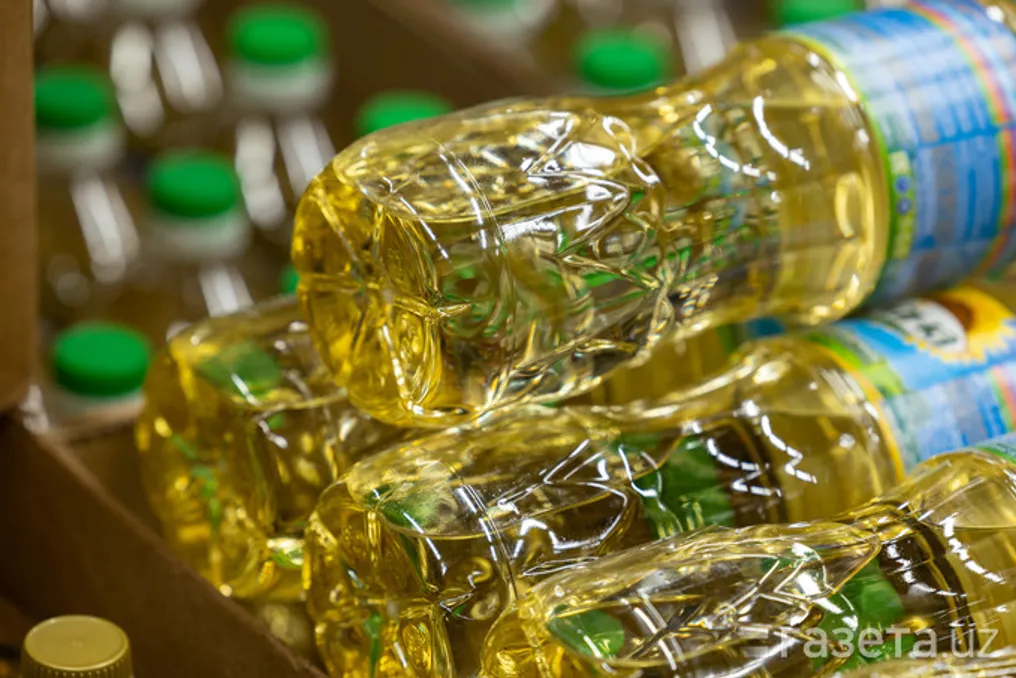
As an illustration of the actual cost reduction, Achilov cited vegetable oil. He noted that after the pandemic, the price of this product reached 30–35 thousand soms per liter, but now oils are available on the market at prices of 18, 19, and 22 thousand soms, confirming the observed decline.

The Deputy Head of the Central Bank attributes such changes to the development of competition and the openness of the economy. He explained that if the cost of a product rises, but import conditions are favorable and customs tariffs are minimal, entrepreneurs can increase supplies from other countries, leading to lower prices under competitive conditions.

Similar processes, in his opinion, are occurring in the clothing market and other non-food products due to increased rivalry between local producers and importers. Regarding the taxi market, the emergence of new aggregators sometimes forced major players to revise their tariffs downwards.

Reasons for Further Food Price Increases

Despite the general trend of slowing inflation, Achilov admitted that the situation with staple food products remains challenging. In some food categories, price growth reaches 8–10%, particularly because the expansion of livestock farming cannot be ensured quickly, which affects meat supply.

The Deputy Head of the Central Bank recalled government measures to support food supplies, including providing loans and benefits, as well as compensating for transport costs when importing meat. He also noted positive dynamics in poultry farming, which helps stabilize chicken prices.

Achilov emphasized that consumer price dynamics are influenced not only by monetary conditions but also by the level of market development and the business's ability to promptly increase supply. He concluded that the slowdown in price growth by approximately 70% in the consumer basket indicates positive trends in the structure of inflation.

According to the Central Bank, annual inflation in September 2026 was 6.4%, higher than the August figures (6.2%) and last year's September (8%). Food inflation in September was 6.3%, non-food inflation was 5.8%, and services inflation was 7%, while core inflation remained at 5.5%.

At the press conference on November 4, Achilov explained the September inflation spike as being due to seasonal price increases for fruits and vegetables, as well as rising fuel and certain service prices. On the same day, the Central Bank board decided to keep the key rate at 14% per annum, driven by persistently high domestic demand and inflationary risks. According to the Central Bank's baseline scenario, overall inflation should approach the target level of 5% in the second half of 2027 and remain around that mark in 2028–2029.

Price Dynamics for Various Goods and Services

According to data from the National Committee on Statistics, the most noticeable price decreases over the last month were recorded for lemons and oranges (a decrease of 12.1%), mandarins (11.9%), grapes (5.6%), zucchini (3.7%), as well as theater services (2.9%), apples (2.4%), bananas (1.7%), sugar (1%), and cement (0.9%).

In contrast, the largest price increases were shown by fresh tomatoes (an increase of 14.2%), cucumbers (13.5%), and carrots (12.4%). The cost of state preschool education services (up by 6.8%), legal services (6.6%), contract education in universities (6.3%), potatoes (5.5%), and eggs (5.3%) also rose. Propane for cars and AI-95 gasoline showed an increase of 4.2% each.

Central Bank of Uzbekistan raises inflation forecast to 7% due to heating tariff increases
Read more
gazeta.uz

Central Bank of Uzbekistan raises inflation forecast to 7% due to heating tariff increases

The Central Bank of Uzbekistan has adjusted its inflation forecast for 2026, raising it from 6.5% to 7%. The main reason for this revision is the expected increase in the cost of heating and hot water.

This was announced on November 4th at a press conference by Samigjon Inogamov, Director of the Monetary Policy Department of the Central Bank. During the event, journalist Vaqt.uz asked whether the regulator takes into account the planned 30% increase in heating tariffs and how this will affect public expectations regarding inflation.

Nodirbek Achilov, Deputy Chairman of the Central Bank, confirmed that all announced changes in regulated prices, including heat supply tariffs, are already factored into the calculations. He explained that, similar to the case with liquefied gas, the one-time impact of the heating tariff increase has been accounted for in the current forecast, and all changes announced so far are included in next year's forecasts, which led to the 7% inflation forecast.

Samigjon Inogamov added that the increase in hot water and heating tariffs was initially factored into the original inflation forecast at 6.5%, but the actual declared parameters turned out to be higher than initial expectations, requiring an update of the end-of-year inflation estimate to 7%.

According to him, the tariff change became one of the key factors influencing the Central Bank board's decision to maintain tight monetary conditions and keep the key rate at 14%.

In response to press representatives' questions, Nodirbek Achilov specified that the Central Bank board did not consider raising the key rate on November 4th due to the rise in regulated tariffs. The Deputy Head of the Central Bank noted that, according to their calculations, the initial impact of the tariff changes would be short-term and insignificant, so the issue of raising the rate was not discussed.

Two scenarios were considered at the meeting: either maintaining the rate at 14% or lowering it to 13.5%. Achilov emphasized that when making the decision, the regulator analyzed not only the direct increase in the cost of individual services but also the potential risk of this growth spreading to other goods and services.

The regulator deems it necessary to continue tight monetary policy to curb secondary effects of the tariff changes. The Deputy Head of the Central Bank stressed that the direct impact of tariff adjustments is assessed as predominantly one-off, and maintaining tight conditions should limit their influence on stable components of inflation and inflation expectations.

Furthermore, Achilov mentioned that the government has prepared social support measures for the population, which are expected to help mitigate the impact of tariff increases on household purchasing power and income.

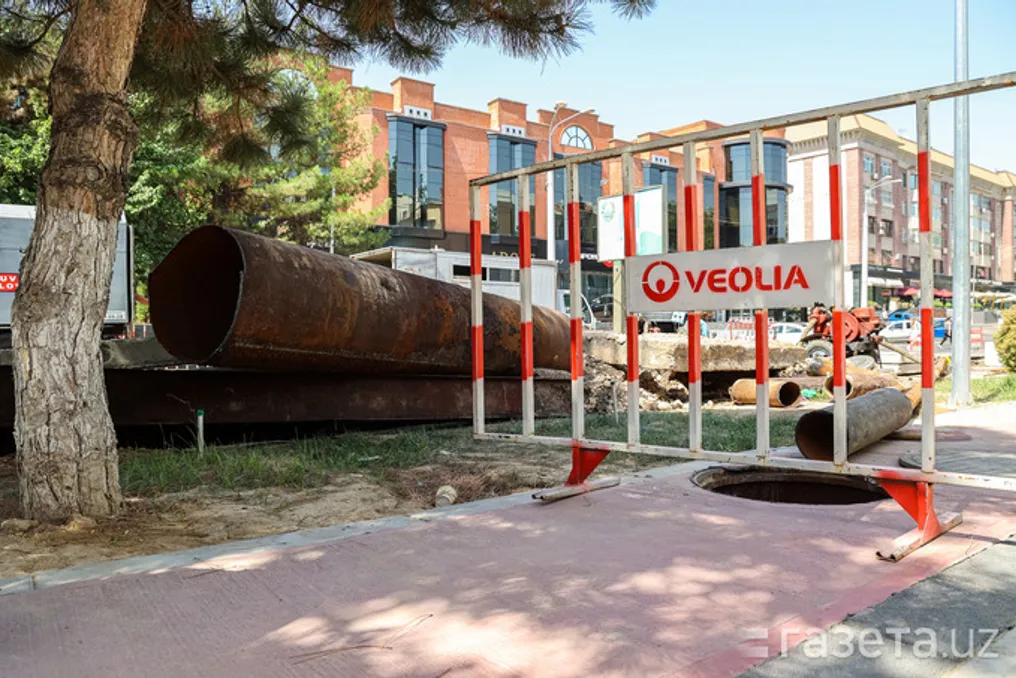
It should be recalled that previously, the Ministry of Construction and Housing and Communal Services presented a draft government decree for discussion, which provided for an increase in tariffs for centralized heating and hot water supply. In Tashkent, the company Veolia Energy Tashkent proposed increasing the cost of heating by approximately 30%: from 241.44 to 314 soms per square meter of heated area per day.

It was also planned to raise the hot water tariff with a meter by 30%, increasing it from 8928.67 to 11,607 soms per cubic meter. According to the draft, the fee for hot water without a meter could decrease from 52,303 to 45,330 soms per person monthly due to changes in the calculation methodology.

The draft proposed introducing new tariffs starting November 1st, but they have not yet received official approval. Previously, the Central Bank forecasted inflation for the end of 2026 at 6.5%; in September, annual inflation was 6.4%, which was higher than the August figure of 6.2%. The Central Bank's goal is to achieve a stable reduction in inflation to 5% in the second half of 2027 and maintain this level in subsequent years.

Popular