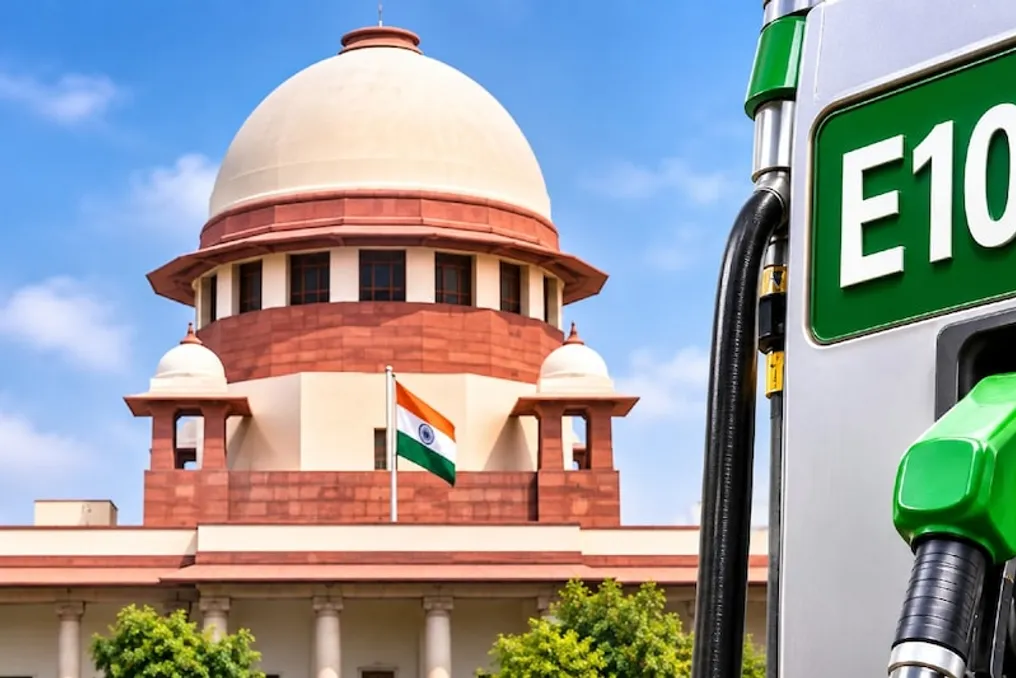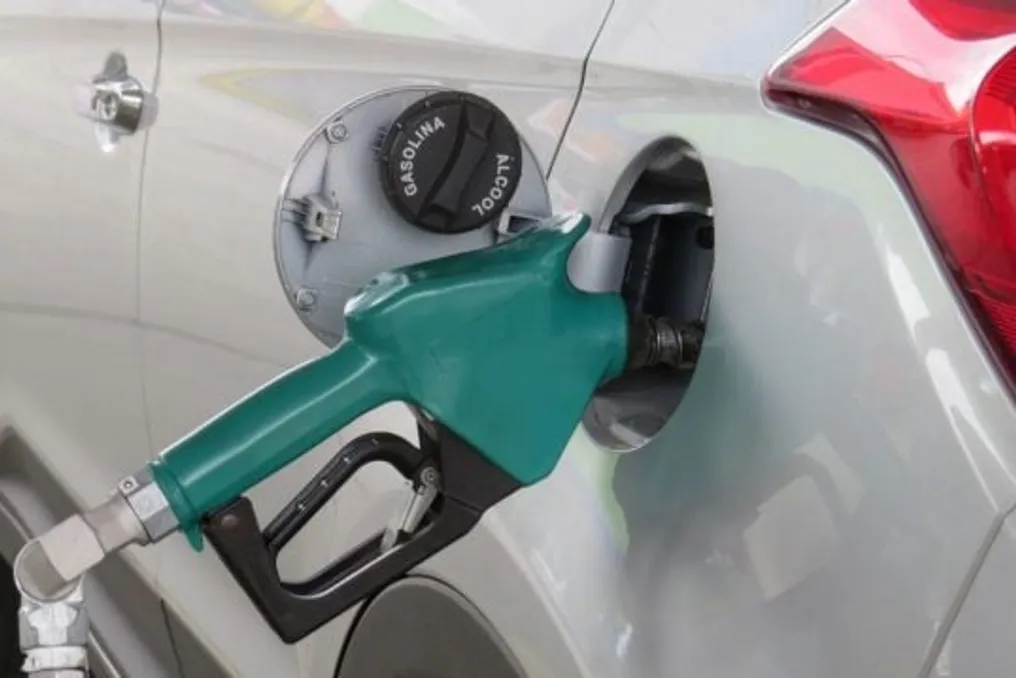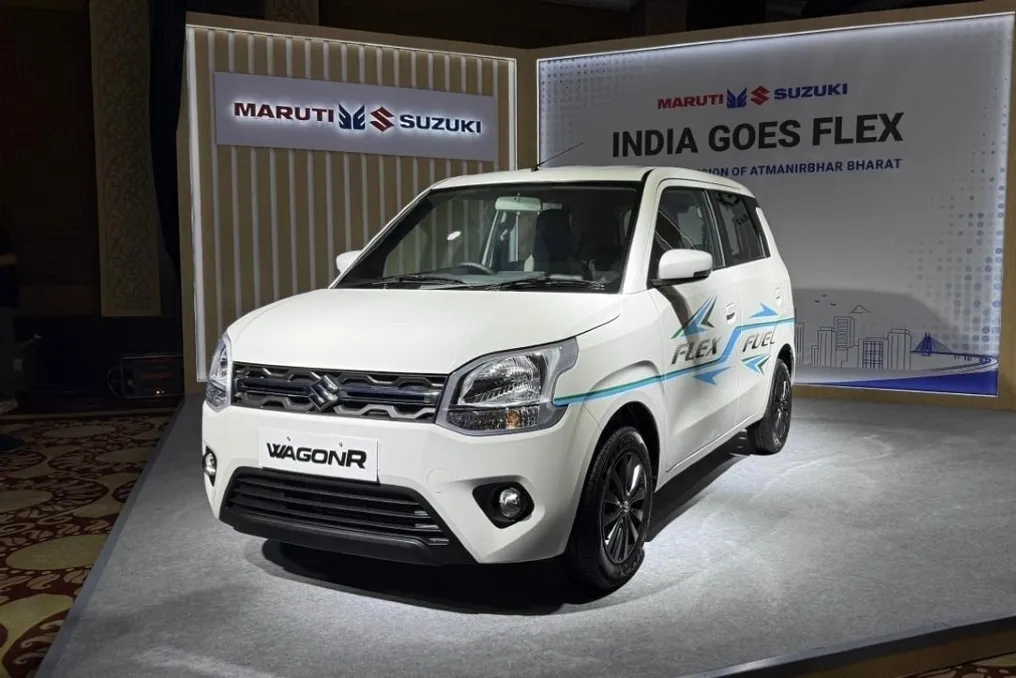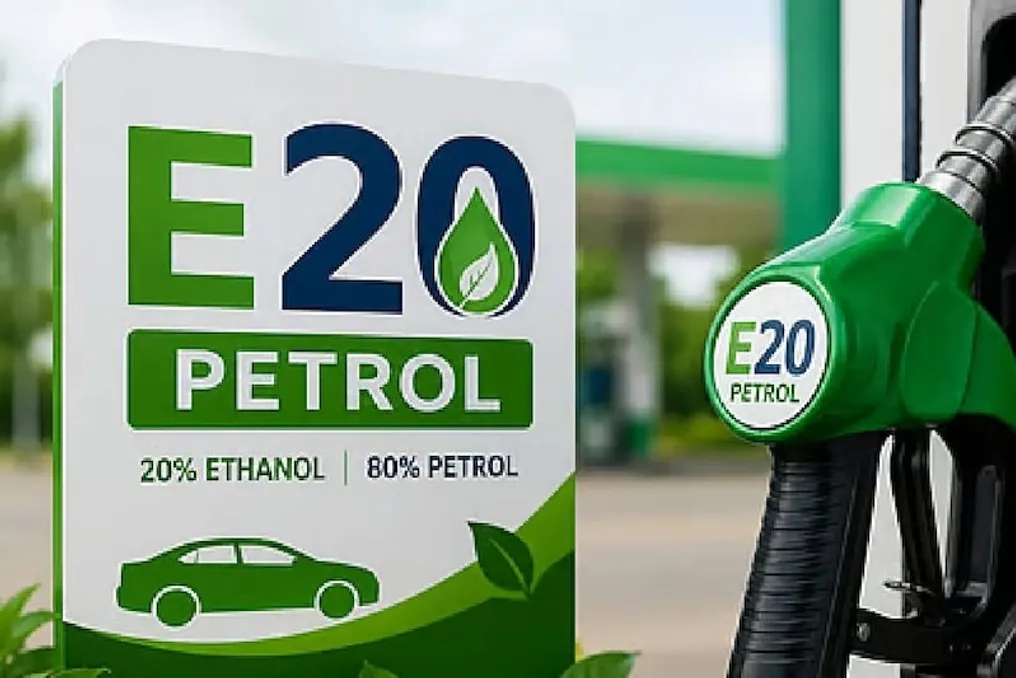
Discussions surrounding E20 gasoline continue. The government and oil companies assert that only 20 percent ethanol is added to the fuel. However, the Karnataka government has stated that the established limit for ethanol in gasoline supplied by oil companies has been exceeded.
Recently, the Karnataka government collected fuel samples from various gas stations and conducted laboratory tests. According to these tests, none of the samples taken from any gas station met the standard for 20 percent ethanol gasoline; that is, the ethanol content in all sold fuel was higher than the norm.
According to the state government, a total of 63 samples were taken from gas stations of companies such as Indian Oil (IOCL), Hindustan Petroleum (HPCL), Bharat Petroleum (BPCL), Nayara, and Shell. The inspection showed that the ethanol content in samples from seven districts exceeded 20 percent, reaching 31.2 percent in some cases.
The Karnataka government reported that it would send reports of these tests to the central government. The state stated that it conducted these tests after oil companies failed to provide clear answers regarding the exact amount of ethanol in the gasoline.
According to information provided by the state government, IOCL gasoline contained over 31.2 percent ethanol. HPCL gasoline showed 30.5 percent, BPCL showed 26.5 percent, Nayara gasoline showed 26.1 percent, and Shell gasoline showed 25.5 percent.
The higher ethanol content in gasoline can damage vehicles, leading not only to reduced fuel consumption but also to increased maintenance costs. The Karnataka government calculated that if the reduction in fuel consumption due to ethanol blending is 10 percent, annual losses could amount to about 620 billion rupees.
Furthermore, the government reported potential losses of approximately 390 billion rupees due to vehicle maintenance and repair costs. The Minister of the Government of Karnataka, Ridwan Arshad, demanded intervention from the central government on this matter. He proposed creating a special fund to compensate or reimburse vehicle owners who use gasoline with an excess level of ethanol.