HP celebrates Diwali, highlighting innovations in India
Read more
The Better India
thebetterindia.com

HP celebrates Diwali, highlighting innovations in India

In celebration of the Diwali festival, HP is holding an event called 'Lights of Change,' dedicated to thoughtful innovations that are illuminating India and improving people's lives. These stories demonstrate how one idea can solve a real problem and have a significant impact far beyond the idea itself.

Examples of such achievements include transforming agricultural crop residues into a useful resource, as well as increasing the accessibility of medical services. Attendees can watch stories about dreamers who achieve success while contributing to better lives, and learn how innovations are shaping a brighter future for India.

To explore more stories and to share an inspiring innovation, users are invited to visit the website https://www.hpcreatorsgarage.com. This initiative is implemented in collaboration with @HPIndiaVideos.

Similar stories

How to create a luxurious Diwali home look using 6 simple methods instead of expensive decorations
Read more
www.aajtak.in

How to create a luxurious Diwali home look using 6 simple methods instead of expensive decorations

Many people fail to achieve the desired beautiful look when buying expensive items from home decoration stores for Diwali. They might think their home looks less impressive than others because they couldn't afford the most beautiful things. However, this is a misconception.

The reason a home might not look sufficiently beautiful is the lack of harmony in the decorative elements. This time, you can give your home a look that is simultaneously traditional, modern, and royal. To do this, you don't necessarily need to spend money on expensive decorations; it is enough to use marigold garlands, designer lanterns, beautiful torans, and brass pots to give your dwelling a completely new appearance. It is important to note that many of these decorative elements will continue to decorate your home even after the Diwali festival.

Decorating with marigolds holds special significance during Diwali. These yellow and orange flowers create a festive atmosphere in the home and lend a traditional beauty to the decoration. Long marigold garlands can be placed from the main entrance to the prayer room, living room, and balcony. If small firework lights are placed between them, their beauty will intensify at night. The decoration can also be made special by using mango or ashoka leaves along with the flowers.

If you want to bring something new to this year's decor, be sure to include hanging lanterns. Metal, glass, and colorful designed lanterns give the home a vintage and royal look. They can be hung on the balcony, in the living room, on the roof, or in any free corner of the house. Lanterns with LED bulbs are easily found in stores. Their advantage is that they can be used not only during Diwali but also on other holidays and special occasions.

Every guest entering the house first pays attention to the main entrance. Therefore, you should not forget to decorate the entrance in a special way for this holiday. For this, you can use beautiful torans made of marigolds, mango leaves, and beads. If you do not want to buy a ready-made toran, you can make one yourself at home using old bracelets, colored paper, threads, and flowers. Adding small pendants or lights on both sides of the door will make the entrance even more attractive.

During Diwali, the walls of the house can also become part of the decoration. Lotus-shaped patterned hangings can be a good option. They are currently very popular on social media and online shopping platforms. These hangings, available in pink, red, yellow, and gold colors, give the walls a beautiful look. They can be placed in the living room, beside the door, or on the balcony. You can also make them at home using colored paper, cardboard, and old bracelets, which allows you to achieve a creative home look with less expense.

The Diwali festival seems incomplete without light. Therefore, fireworks and LED lamps are excellent choices for home decoration. They can be used on balcony railings, windows, curtains, in the temple, and in the living room. Additionally, LED lamps can be placed in small corners of the house and on decorative tables to give a beautiful look. The advantage of these lamps is that they can be reused multiple times, and there is no need to pour oil or change wicks, as with real lamps.

If you want the home decor to remain beautiful after Diwali, you can incorporate brass pots into the decoration. These golden-colored pots give the home a very stylish and royal look. You can plant money plants, snake plants, and other decorative plants in them, placing them in the living room, on the balcony, on the stairs, or near the main entrance. The combination of the shine of brass and green plants gives the home a natural and aesthetic look. Importantly, they can be used year-round, not just during Diwali.

How Diwali is Portrayed in Bollywood Films: From Light to Darkness
Read more
iol.co.za

How Diwali is Portrayed in Bollywood Films: From Light to Darkness

In Indian cinema, Diwali rarely serves merely as a backdrop; directors utilize this Festival of Lights as a powerful emotional amplifier, a symbol of moral victory, and a key catalyst for dramatic turns.

The visual splendor created by lit diyas, fireworks fountains, and rich traditional attire provides filmmakers with a vibrant palette to explore themes ranging from family unity and romance to tragedy and moral irony.

Many blockbusters have used Diwali as a theme to showcase family reunions and emphasize the sanctity of home, cultural heritage, and the emotional significance of returning to one's roots.

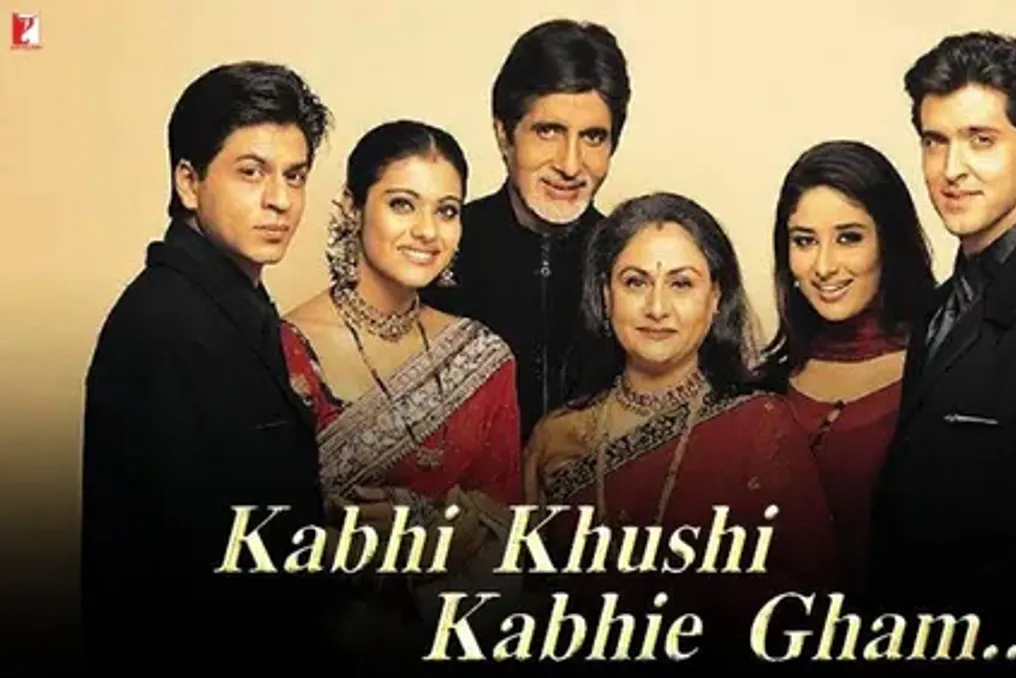
One of the most famous examples is the iconic film 'Kabhi Khushi Kabhie Gham' (2001), where director Karan Johar created a family saga containing perhaps the most recognizable Diwali scene in modern Hindi cinema.

The central conflict of the film begins with a lavish Diwali ceremony at the Raichand family mansion. The visuals of golden lamps, richly decorated traditional clothing, and the grand illuminated multi-story house demonstrate the family's immense wealth and adherence to tradition. The scene culminates at a pivotal moment when the matriarch, Nandini (Jaya Bachchan), intuitively senses the arrival of her son Rahul (Shah Rukh Khan) via helicopter, stepping forward with a 'aarti'. Here, Diwali embodies maternal intuition and the unbreakable bond of family.

However, even before this film, in 'Hum Aapke Hain Koun..!' (1994), Suresh Bardajya used festival scenes as the structural foundation of the narrative. The song 'Dikhtana' plays during the Diwali celebration, where an announcement of pregnancy is made amidst the exchange of gifts and twinkling lights. The festival acts as a unifying factor between two families, strengthening traditional Indian social structures.

But not in all Bollywood films associated with Diwali is the theme reduced to the triumph of light over darkness. Although Diwali traditionally signifies the victory of light over gloom and good over evil, several notable films subvert this trope, using the brightness of the festival to amplify the shadows of character downfall.

In Mahesh Manjrekar's dark crime drama 'Vaastav: The Reality' (1999), Diwali accentuates the tragic transformation of the protagonist, Raghu (Sanjay Dutt). Returning home on Diwali night after immersing himself in Mumbai's criminal underworld, Raghu, gleaming in gold, presents his mother with the famous line about his pachasa tola (over half a kilogram) gold chain. The glittering lights and festive atmosphere sharply contrast with the mother's sorrow over her son's criminal life. This scene transforms a time of spiritual enlightenment into a stark depiction of moral decay.

Prakash Mehra's classic film 'Zanjeer' (1973) also utilized Diwali as the tragic origin of the 'Angry Young Man' persona played by Amitabh Bachchan. As a child, his character, Inspector Vijay, witnesses the murder of his parents on Diwali night, the sound of gunshots muffled by the roar of festive fireworks. This trauma leaves him with a recurring nightmare of a white horse linked to the killer, making Diwali a psychological trigger rather than a joyous celebration.

Filmmakers have also used the freedom of expression that Diwali affords to advance romantic storylines and challenge social constraints.

In the film 'Mohabbatein' (2000), Aditya Chopra uses Diwali as a means of defiance. The action takes place in an authoritarian gurukul (boys' hostel) run by the stern director Narayan Shankar (Amitabh Bachchan). The students secretly organize a joint Diwali celebration with a neighboring girls' school. Through the song 'Pairon Mein Bandhan Hai', the glow of diyas and fireworks becomes a visual metaphor for romantic freedom shattering rigid, dark authoritarian rules.

Kamal Haasan's comedy 'Chachi 420' (1997) used a firework incident during Diwali to drive the main plot. When a faulty firework injures a young girl during Diwali, her estranged father (disguised as an elderly nanny) saves her, securing a job as a governess to stay close to his daughter. The festive chaos serves as a realistic narrative bridge for family reconciliation.

In a sharp departure from commercial gloss, Chetan Anand's war film 'Haqeeqat' (1964) presented the haunting composition 'Kaise Diwali Manayein Hu,' performed by soldiers stationed on frozen borders during the Sino-Indian War of 1962. The film uses Diwali to remind viewers of the human cost of national security, contrasting domestic celebrations with the cold reality of the battlefield.

Thus, Diwali in Indian cinema transcends mere visual spectacle. It represents a universal narrative canvas where light is used not just to illuminate the frame, but to reveal moral choices, emotional bonds, and the internal conflicts of characters. Whether it is a grandiose melodrama of homecoming or the somber silence of a hero confronting his demons, Diwali remains one of the most potent storytelling tools throughout decades of Indian cinema.

Simple way to prepare last year's diyas (clay lamps) for the Diwali festival
Read more
thebetterindia.com

Simple way to prepare last year's diyas (clay lamps) for the Diwali festival

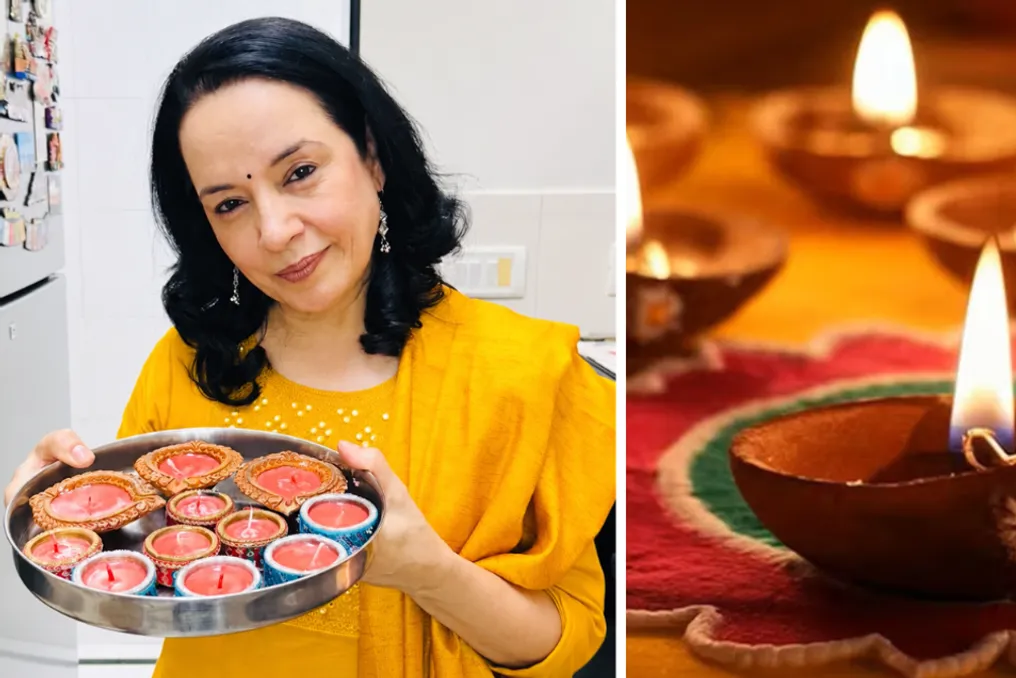
Diwali is a time when homes are illuminated with clay lamps (diyas). However, a sustainable celebration can begin with the simple reuse of existing items. Instead of purchasing new clay lamps every year, a little creativity allows old diyas to take on a new look.

Content creator in lifestyle and travel, Sharon J. M. Natani, who shares DIY ideas on her Instagram page @thatangloindiansindhi, suggests a simple method for reusing last year's diyas and preparing them for the festive season.

Method for securing wicks

Her method involves using desi ghee and candles to prepare the diyas for lighting. She advises heating the ghee, melting candles in it, and then pouring the resulting mixture into the diyas before inserting the wicks.

This small change in the process matters. Often, if the wicks are placed inside the diya before pouring the liquid, they might fall or become crooked during filling. Sharon recommends pouring the mixture first and then adding the wick, which helps it remain upright and in place.

Once the diyas are ready, they can be decorated with a small amount of glitter or finely chopped flower petals. These small details can give the old lamps a festive look without the need to buy new ones. Reusing diyas is an easy way to reduce waste during the festive season by using what you already have at home. With a little effort, last year's lamps can return to your Diwali decorations, bringing the same festive warmth without increasing unnecessary consumption.

This Diwali, before going out to buy new decorations, it is worth looking at what you already have. Sometimes the most eco-friendly holiday ideas start with giving familiar things a second chance.

Popular