So-called invasive alien species (IAS) are plants, animals, fungi, or other living organisms that have established and spread outside their natural range. By displacing native species, they can threaten local biodiversity.
This is a global problem and one of the main causes of biodiversity loss worldwide. In Brazil, examples of such invasive plants include mango trees, pomegranate bushes, and mustard grass, among others.
Various organizations from different countries are looking for ways to combat these species, but initiatives are usually costly and time-consuming. Early detection of these organisms and control over their spread remain a difficult task.
Based on this, a new study by the Helmholtz Centre for Environmental Research in Germany identified a promising strategy for detecting invasive plants: using dogs. These animals and their owners are capable of identifying such species by smell with 75% accuracy after completing training.
The results were described in detail in an article published on November 4th in the scientific journal PLOS One. The concept proposed in the study did not involve professional sniffer animals; instead, they trained ordinary dogs and their owners who sought joint outdoor activities.
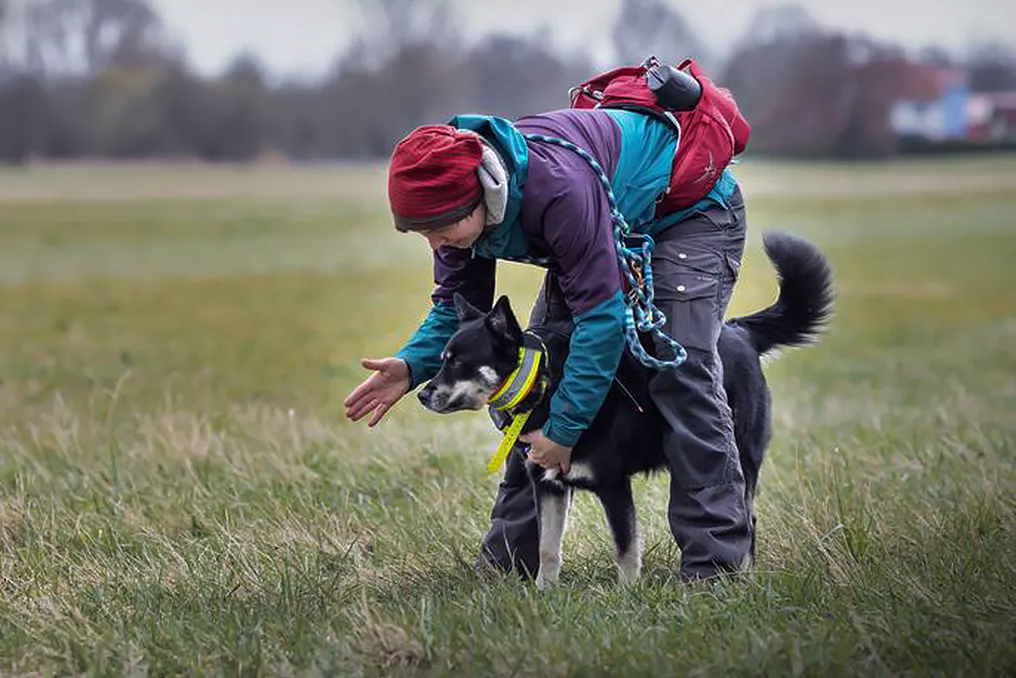
A total of 31 dogs and their owners participated in the study between 2021 and 2023. They underwent online training where they studied dog behavior and procedures for identifying specific odors, as well as attended seminars and field events.
The animals were taught to detect three invasive plants: Fallopia spp., Impatiens glandulifera, and Ambrosia artemisiifolia. During the sessions, the dogs learned to recognize the characteristic scent of these species.
Performance was recorded on video, and participants also filled out questionnaires so that researchers could track the conditions of each training session. Even small factors, such as rewards for the dogs, mattered.
Ultimately, 12 teams of dogs and owners completed the training and passed a kind of 'final exam' to assess their plant detection skills. The result was positive: 11 teams were approved, with an average success rate in detecting species at the level of 75%.
Thanks to this pilot project, researchers concluded that forming voluntary groups consisting of people and their dogs can be an effective strategy for detecting invasive plants.
The study authors noted: 'The results show that it is generally possible to train voluntary groups of dogs to detect invasive plants, allowing the dogs to reliably identify target species. Participation in such projects usually provides dogs with significant mental stimulation and enrichment, thereby strengthening the bond between the dog and owner.'
Despite the positive results, the study revealed certain difficulties. One of them was the need for intensive training, which is difficult to combine with the daily schedule of many participants, leading some teams to drop out of the program.
Nevertheless, the researchers consider such projects feasible and compiled a list of recommendations for guiding future initiatives. Among the tips are informing volunteers about the required training time and selecting healthy animals motivated by rewards such as food and toys.
The researchers also stated in their statement: 'What pleases us particularly is the opportunity to turn what people already love doing—spending time outdoors with their dogs—into a meaningful contribution to biodiversity conservation. With proper training, daily walks can become an additional resource for early detection of invasive plants.'