The launch of the Artemis 2 mission by NASA triggered significant changes in the Earth's ionosphere—the electrically charged layer of the atmosphere. These phenomena were so strong that they affected the accuracy of GPS systems, according to a study conducted by scientists from National Cheng Kung University (Taiwan).
According to the report published on Wednesday (the 4th), two extensive zones of atmospheric disturbances were identified, which arose following the flight of the Space Launch System (SLS) rocket. These structures stretched approximately five thousand kilometers, crossing the American continent from east to west.
Researchers analyzed data collected by high-precision ground GPS receivers used by United States scientific institutions to track tectonic plate movement and study seismic events.
By analyzing the time required for satellite signals to reach the stations, scientists were able to determine changes in electron concentration in the ionosphere during the rocket's passage. The research findings attracted attention because the disturbances caused by Artemis 2 were more intense than those observed during previous rocket launches.
According to the study, these interferences reached up to ten times the strength compared to those recorded after SpaceX's Starship test flights.
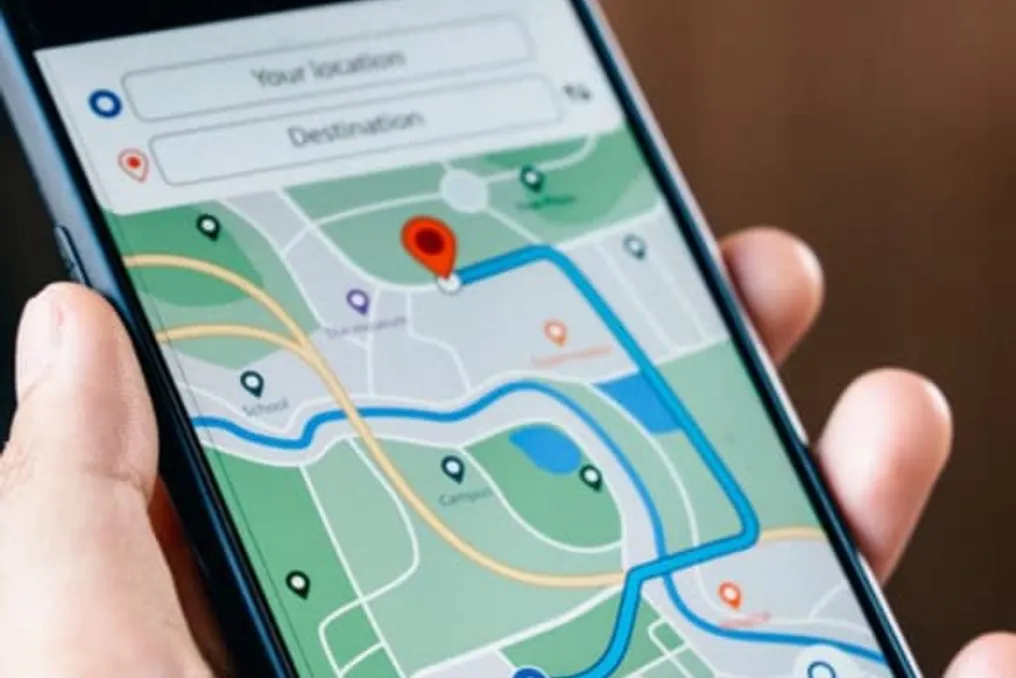
Changes in the ionosphere were not limited to scientific observations. Researchers discovered changes in electron density that could potentially lead to positioning errors of several meters in GPS systems. This occurs because receivers must calculate the distance to various satellites to determine their location; when signals pass through an area of the ionosphere with altered electron concentration, they can experience shifts in propagation time, which reduces measurement accuracy.
Charles Lin, an Earth science professor at National Cheng Kung University and one of the study's authors, warned that errors of just a few meters could pose a threat to technologies dependent on precise positioning. He explained to Space.com: 'A positioning error of a few meters is enough for an autonomous vehicle to change lanes.'
According to Lin, similar effects could also affect the localization of drones and other automated navigation systems. The scientist added that while rocket launches are known to cause such disturbances, the effects of orbital maneuvers conducted during interplanetary missions had not been observed in this manner before.
With the increase in space flights toward the Moon and Mars, researchers expect these phenomena to become increasingly important for monitoring so-called space weather. The study itself was published as a preprint in the scientific journal Geophysical Research Letters.