New Chevrolet Silverado and GMC Sierra models with diesel engines receive larger tanks and can travel nearly 1500 km without refueling
Read more
AutoPapo
autopapo.com.br

New Chevrolet Silverado and GMC Sierra models with diesel engines receive larger tanks and can travel nearly 1500 km without refueling

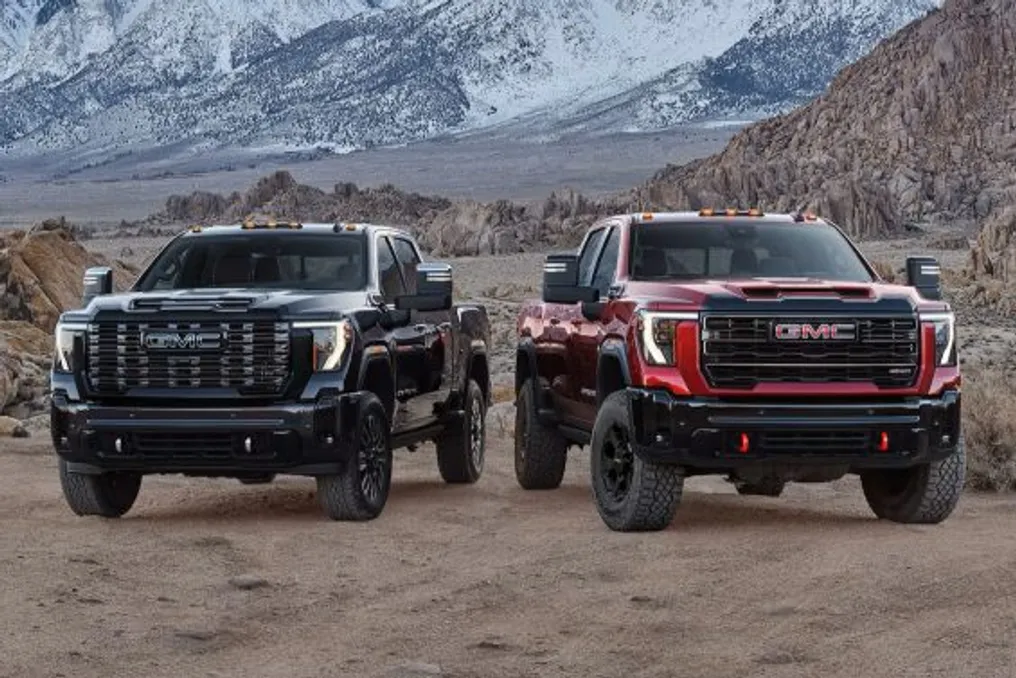
The new generation of Chevrolet Silverado 1500 and GMC Sierra 1500 pickups, which will arrive on the American market as the 2027 lineup, will be equipped with larger fuel tanks in diesel versions.

The reservoir for Arla 32, which reduces emissions from diesel engines, has been increased from 20.5 liters to 28 liters. It is standard equipment on all versions with the 3.0 Duramax six-cylinder inline turbocharged diesel engine.

This change corresponds to a new optional fuel tank with a capacity of 129 liters. It costs $445 USD (about 2200 Brazilian reais) in some cabin configurations and comes with the most expensive trims, such as ZR2, AT4X, and Denali Ultimate.

In the previous generation, the diesel pickups had tanks with capacities of 83 or 91 liters. Thanks to the larger tank, the diesel versions can now cover about 1480 km on the highway without needing to refuel, based on GM's stated fuel consumption of 11.5 km/L for rear-wheel-drive configurations.

However, GM's pickups lag behind competitors in this aspect: the Ford F-150 offers a 136-liter tank, the Ram 1500 offers 125 liters, and the Toyota Tundra offers 122 liters.

In practice, this means that drivers transporting cargo over long distances will have to make fewer stops to refuel with diesel and Arla 32.

However, the new pickups have lost the hidden compartments in the rear seat back that were offered since 2019. American sites speculated that the reason for this change was the larger tanks. Nevertheless, GM product managers told GM Authority that the reason was low demand, as few owners used this space.

One explanation is accessibility: these compartments cannot be opened if there are passengers or child seats in the back seat. To compensate for this, the new generation features a redesigned center console with movable cup holders and almost 5 liters more storage space.

In Brazil, the current generation Silverado is sold only with a V8 gasoline engine.
Similar stories

78-Liter Diesel Engine Used in Mining Trucks is Now Used in AI Data Center Generators
Read more
autopapo.com.br

78-Liter Diesel Engine Used in Mining Trucks is Now Used in AI Data Center Generators

A 78-liter diesel engine, originally designed for the world's largest mining trucks, has found a new application: powering artificial intelligence data centers during grid failures.

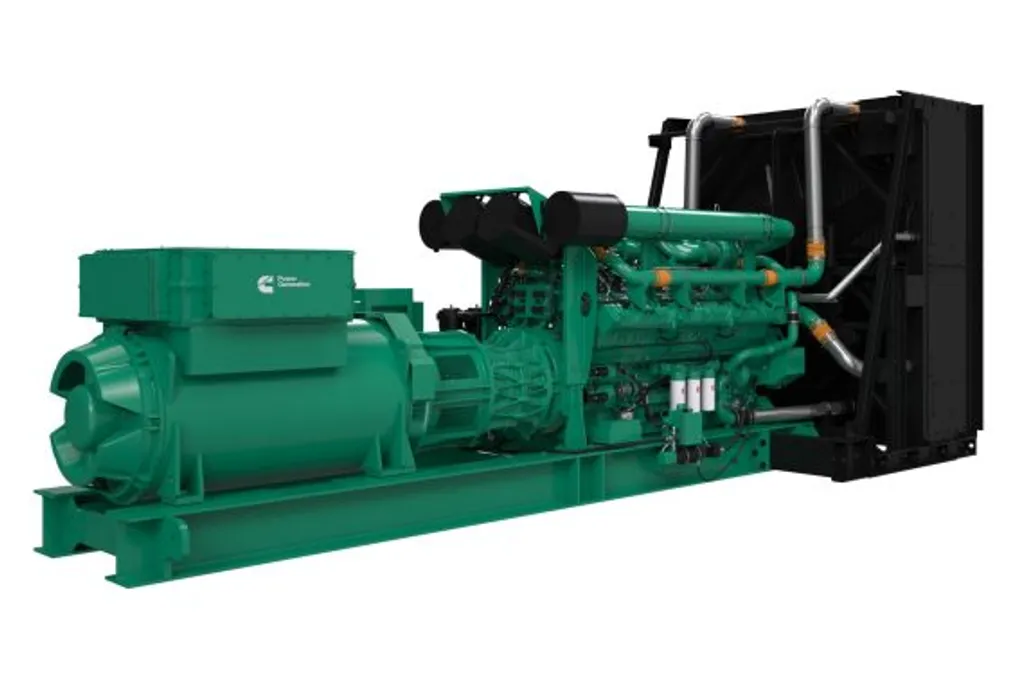
Cummins has increased the power of generators equipped with the 78-liter QSK78 diesel engine to 3 MW. This new offering was unveiled at the DCD Connect Brasil event, dedicated to the data center sector, which took place in São Paulo on Thursday and Friday.

When the QSK78 was launched in 2000, Cummins called it the world's largest engine for the mining industry. It was developed in collaboration with the Japanese company Komatsu for off-road trucks, such as the Komatsu 960E, capable of carrying up to 327 tons of cargo in a single trip.

The engine's specifications are impressive: it features 18 cylinders, each with a displacement of about 4.3 liters, which is larger than the entire 2.8-liter Toyota Hilux engine. The total weight of the unit exceeds 11 tons, and in its mining version, it produces 3,549 hp and a torque of 1,404.3 kgm.

Data centers cannot tolerate power outages, so they maintain backup diesel generators that activate when the main grid fails. With the expansion of artificial intelligence, which demands significantly more computing power and electricity, these generators needed to become more powerful.

In 2024, one of Cummins' executives noted that hospitals, which previously used 1 MW installations, have begun purchasing 2 or 3 MW models. According to the company, data centers can achieve up to a 20% revenue growth over the next five years.

Thanks to the increased power, the QSK78 now covers the range previously served by the 95-liter QSK95 model, which remains in the catalog for generators up to 3.5 MW. Centum series generators, such as the C2750D6E and C3000D6EB, have capacities of 2,750 kW and 3,000 kW, equivalent to approximately 3,739 hp and 4,079 hp. The largest of these reaches over 7 meters in length and 3.5 meters in height.

According to the manufacturer, the unit takes less than ten seconds to take on a load and can run on HVO—renewable diesel made from vegetable oils and fats—without losing power. Leandro Vilhena, Data Center Manager at Cummins Brazil, emphasized that the generator's size must correspond to the load growth and expansion plans of each facility.

NGO suggests limiting plug-in hybrid tanks to 15 liters to encourage electric use
Read more
autopapo.com.br

NGO suggests limiting plug-in hybrid tanks to 15 liters to encourage electric use

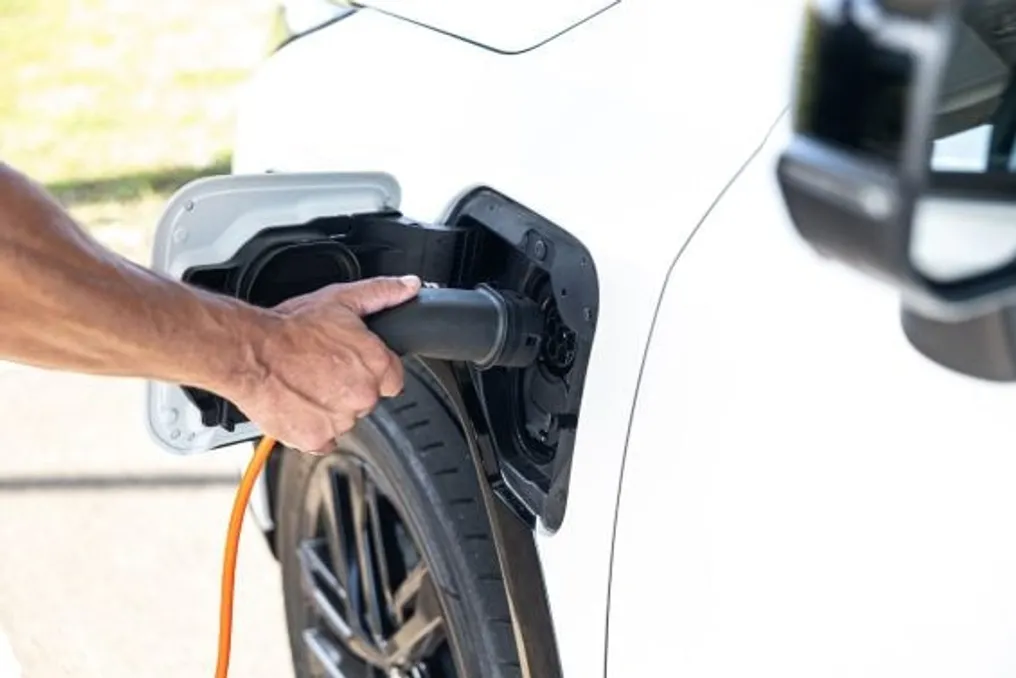
The non-governmental organization (NGO) advocates that plug-in hybrid vehicles should have a fuel tank limited to 15 liters. Although these models promise to operate exclusively on electricity in urban environments, reality shows that many owners rarely connect the cars to the electrical grid, resorting to gasoline use.

To promote this change, the European NGO Transport & Environment (T&E) recommends that governments across the continent offer incentives only to models with a maximum tank capacity of 15 liters, given that the current average is 51 liters.

With a smaller tank volume, a driver who chooses not to recharge the battery would have to refuel 57 times a year, compared to the 17 times currently recorded. The total fuel cost would remain unchanged; the strategy aims for the inconvenience of going to the gas station to motivate the driver to use electric charging.

This proposal is based on consumption data collected directly by the vehicles themselves and compiled by the European Environment Agency. According to T&E, plug-in hybrids registered in 2024 emitted an average of 145 grams of CO2 per kilometer during actual use, a value almost six times higher than the 24 g/km established in official homologation.

This discrepancy occurs because official standards assume that these cars will travel more than 80% of the distance in electric mode, when in reality, this proportion was only 27%. As a result, they emitted only 14% less than combustion and conventional hybrid cars, contradicting the official promise of an 83% reduction.

Large capacity tanks intensify this problem. In Europe, Chinese manufacturers such as BYD and Chery, which owns the Omoda and Jaecoo brands, dominate sales in this segment with models offering over 1,000 km of total range, thanks to tanks close to 70 liters.

The 15-liter limit is associated with other requirements proposed by T&E. By 2030, the NGO wants there to be a minimum real electric range of 200 km, support for fast charging exceeding 100 kW, and an electric motor with a power at least three times greater than that of the combustion engine.

With 15 liters and a consumption of 14.9 km/l when the battery is discharged, the vehicle could travel approximately 220 km using only fuel, which is comparable to the distance traveled in electric mode.

It is important to note that this measure is a recommendation from the NGO and not a regulation from the European Union. However, the debate is relevant to Brazil, given that Chinese plug-in hybrids are among the best-selling electrified vehicles in the country.

Payload Capacity Comparison Among Single Cab Pickup Trucks: Hilux, S10, and Ranger
Read more
autopapo.com.br

Payload Capacity Comparison Among Single Cab Pickup Trucks: Hilux, S10, and Ranger

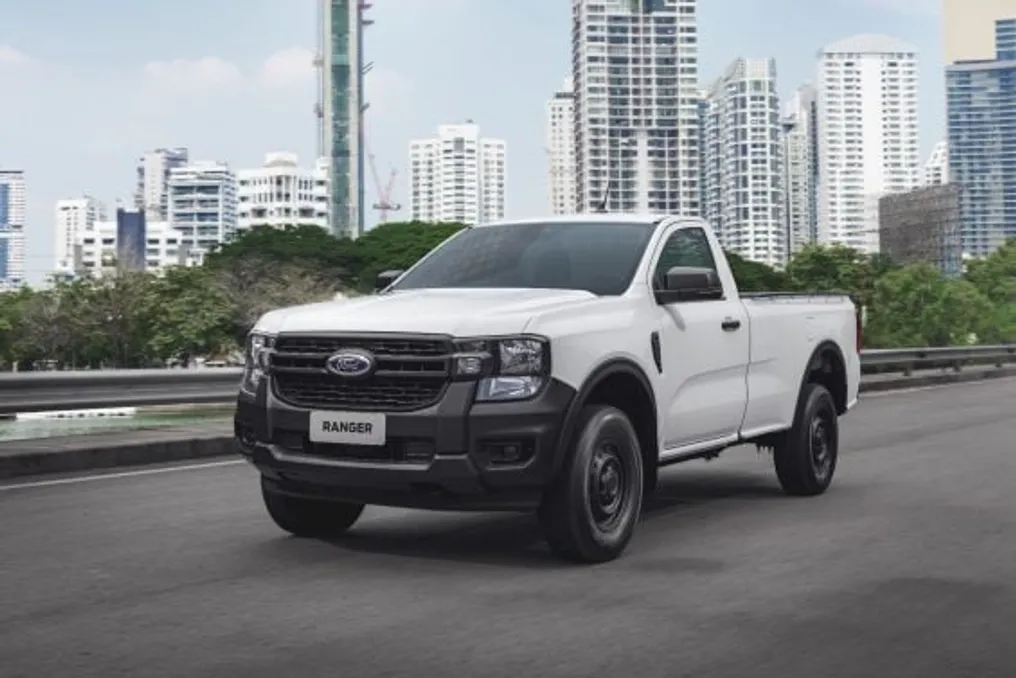
Consumers looking for a medium pickup truck with a single cab have three main options in the market: Chevrolet S10, Toyota Hilux, and Ford Ranger. Since these vehicles are geared towards work, payload capacity is a major factor, and the models have been listed in order along with information on power, torque, and price.

A notable aspect in this work-focused segment is the growing popularity of the automatic transmission. Both the Toyota Hilux and the Ford Ranger offer this option in the single cab version, while Chevrolet restricts this transmission to the double cab. The adoption of an automatic transmission in work vehicles aims to reduce the risk of operational failures and also decreases the need for maintenance, such as clutch replacements; however, choosing this transmission may result in a reduction in payload capacity.

Performance and Payload Capacity of the Models

The Ford Ranger XL, in the single cab configuration, reached the top of the segment in terms of payload capacity. Equipped with a manual transmission, this model can carry up to 1,223 kg in the bed, surpassing the Chevrolet S10 by 3 kg. In work versions, the Ford Ranger uses the 2.0 EcoBlue turbodiesel engine, which generates 170 hp and 41.3 kgfm. Although it is the least powerful engine on the list, it offers low fuel consumption.

The Chevrolet S10, in the single cab version, presents a considerable payload capacity and is very close to the manual Ford Ranger. Its bed has more basic features, similar to the Hilux, including external hooks and a non-electrically locking cover. The Chevrolet S10's engine is the most powerful in the group, delivering 207 hp and 46.9 kgfm. It is equipped with a six-speed manual transmission, being the only one that does not offer an automatic gearbox option.

When selecting the automatic transmission in the Ford Ranger XL, there will be a loss of 53 kg in payload capacity, but the vehicle will gain more comfort and the cruise control feature, known as autopilot. Toyota has homologated the single cab Hilux with a load capacity of 1,005 kg, a value that is only 5 kg higher than the double cab version, maintaining the same price regardless of the transmission chosen. In the case of the Hilux, what varies is the adjustment of the 2.8 turbodiesel engine: with a manual transmission, it produces 42.8 kgfm, while with the automatic gearbox it reaches 50.9 kgfm, keeping the power constant at 204 hp.

Popular