BMW launches elongated version of the 3 Series for China with 2.97m wheelbase and up to 287 hp
Read more
AutoPapo
autopapo.com.br

BMW launches elongated version of the 3 Series for China with 2.97m wheelbase and up to 287 hp

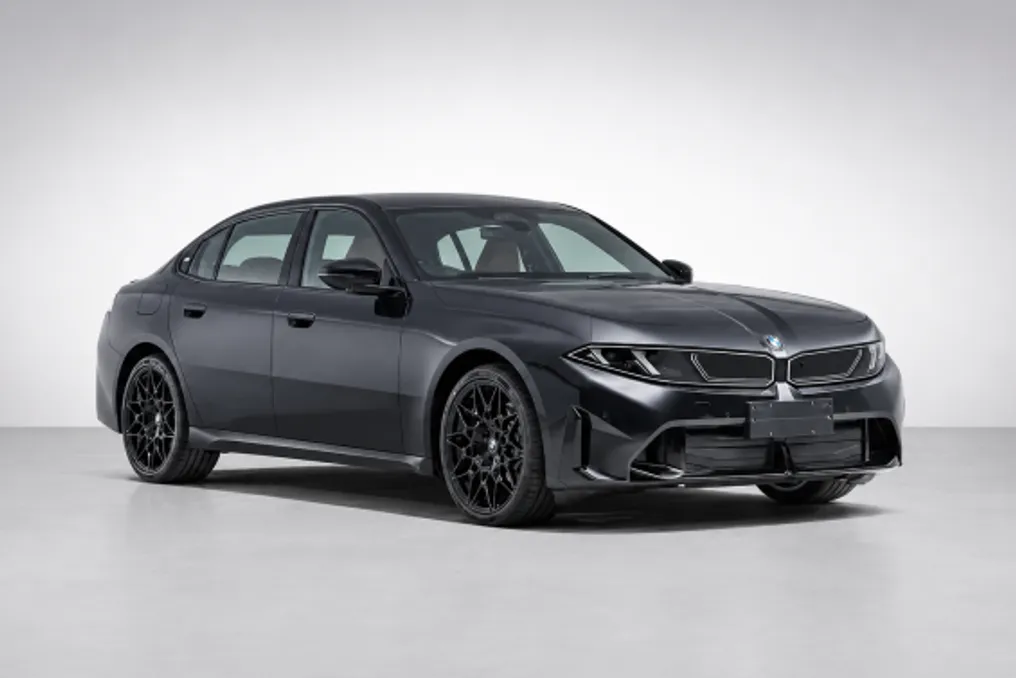
BMW is about to market an extended edition of its new 3 Series in China, which approaches the size of a 5 Series. The details of this sedan were registered with the Chinese Ministry of Industry and Information Technology (MIIT), a mandatory procedure before its official launch.

The model has a total length of 4.87 meters and a wheelbase of 2.97 meters. This spacing is only 2.5 centimeters less than that found in the 5 Series sold in Brazil. The reason for this elongated design is the preference of the Chinese consumer for sedans that offer ample space for rear passengers, who often include the vehicle owner themselves.

When compared to the 3 Series recently launched in the West, the Chinese variant features an increase of 11 centimeters in wheelbase and approximately 10 centimeters in total length.

This strategy of offering elongated versions is not new; the current generation has had an exclusive version for China since 2019, with a 2.96-meter wheelbase. In the Brazilian market, BMW continues to produce the previous generation of the sedan in Araquari (SC), which has a 2.85-meter wheelbase.

This model is produced in Shenyang by BMW Brilliance, a joint venture between the German brand and a Chinese automaker. It uses an update of the CLAR platform and maintains traditional door handles, aligning with new Chinese regulations that prohibit built-in and electric handles starting in 2027.

The available options will be the 325L and 330L versions, both equipped with a 2.0-liter four-cylinder turbo engine. The 325L delivers 234 hp, while the 330L reaches 287 hp, whereas the 320i manufactured in Brazil has 184 hp for comparison purposes. Versions with six-cylinder engines, such as the M350 xDrive, are not listed in the MIIT records.

It is important to note that in China, the consumption tax applied to new vehicles increases according to engine displacement, resulting in higher costs for models with engines over 2 liters.
Similar stories

Nissan transforms Sentra sedan into 304 hp sports concept with supercar components
Read more
autopapo.com.br

Nissan transforms Sentra sedan into 304 hp sports concept with supercar components

The Sentra, a mid-size sedan known for being a more traditional vehicle and which was discontinued in Brazil in July, has been transformed into a high-performance sports model in the United States.

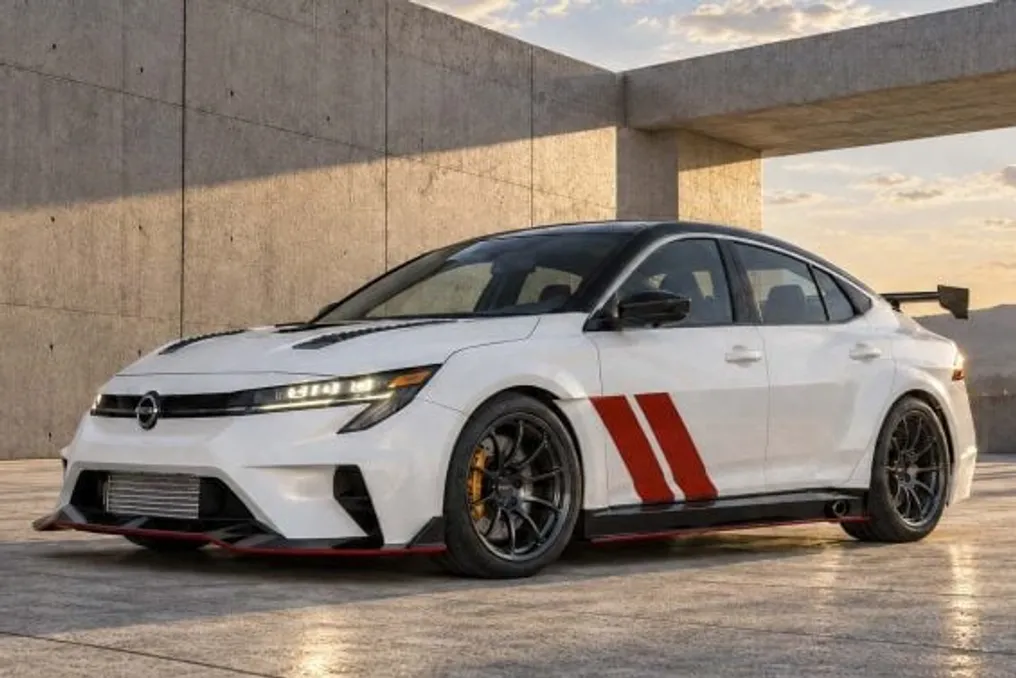
On Wednesday, the 28th, Nissan presented the Sentra Spec-V Concept. This concept features a 2.0 turbo engine that generates 304 horsepower, a six-speed manual transmission, and incorporates several components taken from the GT-R supercar.

This concept car serves to celebrate the 35th anniversary of the Sentra SE-R, a sporty version that captured enthusiasts in North America. It will be exhibited at the Sema Show, the main automotive accessories and tuning fair in the US, which will take place in Las Vegas between November 3rd and 6th.

In the standard version, the Sentra's 2.0 engine is naturally aspirated and produces 151 hp. However, in the concept version, it was equipped with a Garrett G25 turbocharger, front intercooler, JE forged pistons, and Carrillo connecting rods, along with other internal reinforcements. These modifications raised the wheel-measured power to 304 hp, doubling the original output.

The transmission system includes a six-speed manual gearbox and an automatic locking differential, both sourced from the Juke Nismo RS, the sporty version of the compact SUV. The assembly is complemented by a lighter engine flywheel supplied by Centerforce.

The brakes were inherited from the GT-R Nismo, featuring Brembo six-piston calipers and 39 cm discs in the front, and four-piston calipers with 38 cm discs in the rear. Other supercar elements given to the concept include the rear spoiler and Recaro front seats.

Aesthetically, the Sentra received a widened body kit, an air scoop hood, a side-exit exhaust system, and 19-inch Nismo forged wheels mounted with Yokohama Advan tires.

To optimize track performance, the suspension was enhanced with front shock absorbers that have external reservoirs, stiffer springs, and new stabilizer bars.

Despite its advanced features, Nissan clarifies that the Sentra Spec-V is strictly a concept car and will not be available for commercial sale. According to Kim Less, Vice President of Aftermarket and Customer Loyalty for Nissan in the Americas, such projects function as a way to inspire fans and demonstrate the potential that can be achieved with models like the Sentra and the Z.

BMW F 450 RR, considered a miniature of the S 1000 RR, has 48 hp and costs around R$ 42 thousand
Read more
autopapo.com.br

BMW F 450 RR, considered a miniature of the S 1000 RR, has 48 hp and costs around R$ 42 thousand

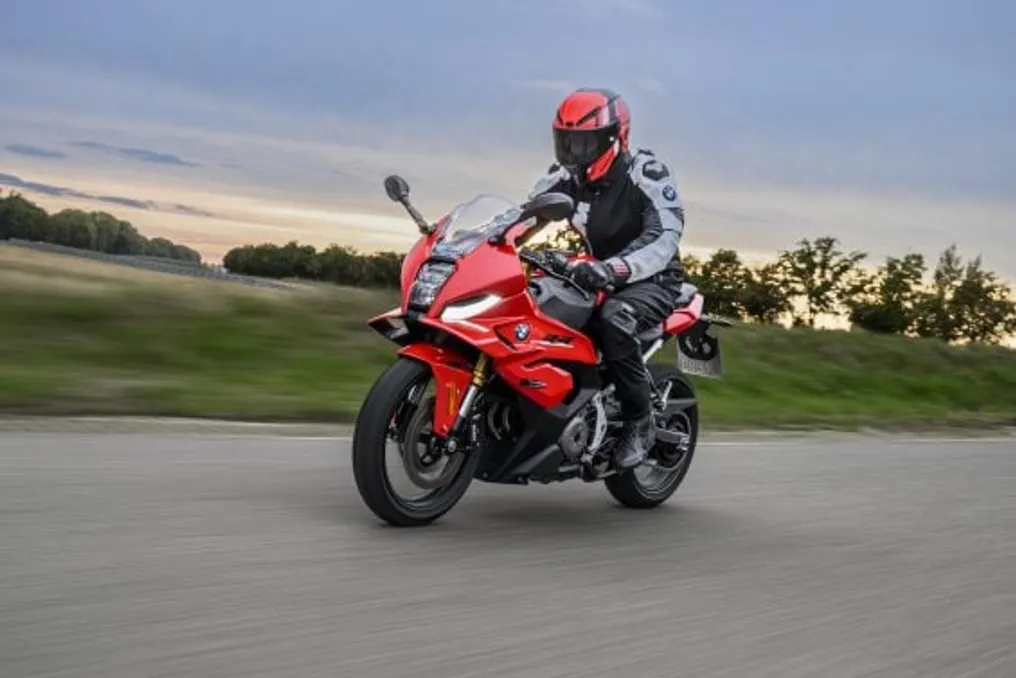
BMW Motorrad has launched the F 450 RR, a reduced version of the superbike S 1000 RR. This model was presented in Europe as the new entry option for the RR line, which encompasses the brand's faired sport motorcycles.

In Germany, the starting price for the motorcycle is approximately R$ 42 thousand, which corresponds to 7,250 euros. The F 450 RR is equipped with a 420cc twin-cylinder engine, derived from the F 450 GS engine, generating 48 hp at 8,750 rpm and 4.4 kgfm at 6,750 rpm. The manufacturer states that 80% of this torque is available from 3,000 rpm, and it features a six-speed gearbox.

The power has been specifically calibrated to meet the A2 category of the European license, which imposes a limit of 35 kW (equivalent to 48 hp) for novice riders.

Structurally, the unit is built on a steel tubular chassis and weighs 177 kg ready to ride. According to BMW, it can reach 100 km/h in 5.6 seconds and achieve a top speed of 177 km/h.

The fairing aesthetics reflect the characteristic design of the RR line, featuring a low front section, high rear, and side winglets for aerodynamics. The LED headlight replicates the lighting signature of larger BMW motorcycles, and the side air intakes have an asymmetrical design.

As standard equipment, the F 450 RR comes with a 6.5-inch TFT display with connectivity, electronic throttle, and three riding modes: Rain, Road, and Race. The front braking system uses a 310mm disc and a four-piston Brembo monobloc caliper, in addition to ABS Pro, which operates even during curves.

In Europe, the bike is available in four distinct configurations, offering visual and equipment packages adapted for both road use and track use. The more expensive versions may include the Easy Ride Clutch, an automated clutch system that eliminates the need to use the lever to start or stop the vehicle.

Currently, the 450 family has not yet been introduced to the Brazilian market. Although BMW has confirmed its intention to commercialize the F 450 GS in the country, no date or price has been disclosed. If it arrives, the RR will compete against models such as the Yamaha R3 and Kawasaki Ninja 500.

BMW presents third generation of M Motorsport chassis for the M 1000 RR, based on tracks
Read more
autopapo.com.br

BMW presents third generation of M Motorsport chassis for the M 1000 RR, based on tracks

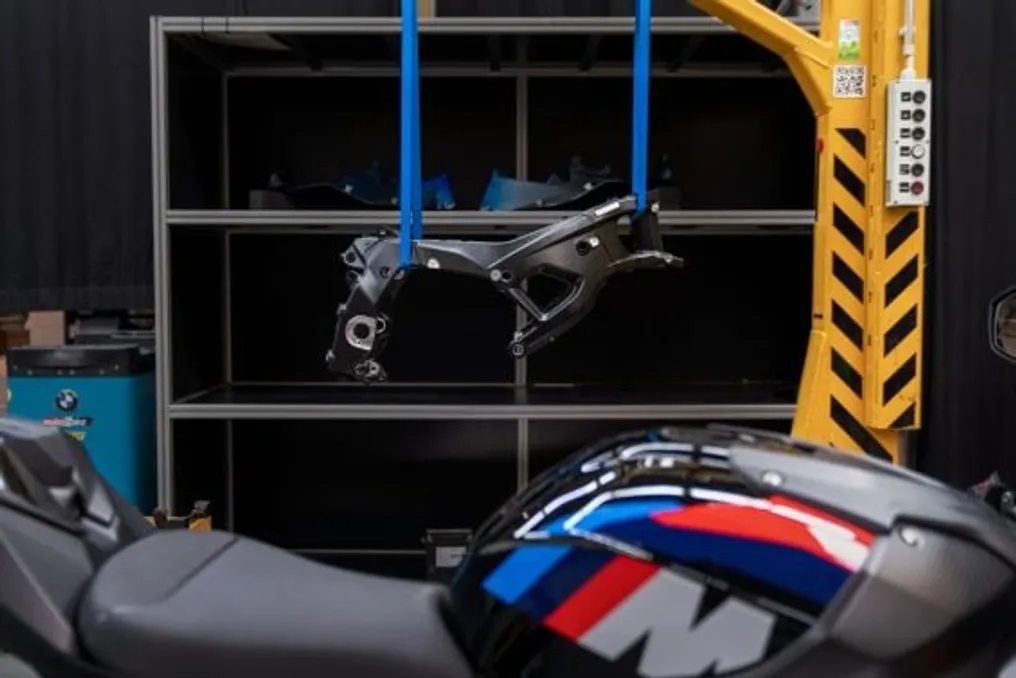
BMW has unveiled the third version of its M Motorsport chassis, which serves as the basis for its highest-performance motorcycle, the M 1000 RR. This global announcement will apply to the superbikes starting from the 2027 model year, when the new chassis will become standard factory equipment.

This innovation is part of the brand's strategy to directly transfer competition performance to road use. The same frame used by elite teams will be employed by customer racing teams using the M 1000 RR around the world.

Technical details of the new chassis

According to BMW, the new aluminum structure is approximately 1.3 kg lighter than the previous one, featuring wall thickness reductions of up to 30% in certain areas. In a track-focused superbike, weight reduction in the central area contributes to improved agility and directional changes.

The reduction in thickness was used to independently adjust stiffness and flexibility in different directions. BMW explains that a sport bike chassis should not be completely rigid; when the bike is leaned over, the suspension operates at an unfavorable angle for absorbing irregularities, requiring the frame itself to offer some compliance to keep the tire in contact with the ground.

This is the point BMW states it has designed: in curves, the frame flexes laterally within predefined limits in the design, assisting the suspension in absorbing road imperfections. The expected result is more stable tire contact, clearer feedback for the rider, and more even tire wear.

In contrast, longitudinally, the structure maintains high rigidity to ensure that braking and acceleration are transmitted without loss of predictability under load.

Statements and development process

Sven Blusch, head of BMW Motorrad Motorsport, stated that 'the new M Motorsport frame combines consistent lightweight construction with precisely calibrated stiffness and flex characteristics. This creates the foundation for precise cycling performance and maximum grip.'

The development of this component took place in Munich, where the geometry, stiffness distribution, and wall thicknesses were initially defined through digital simulations, subsequently validated on test benches and track tests.

The four cast parts that make up the frame—steering head, left and right sides, and rear section—are produced at the BMW Group factory in Landshut, using a low-pressure casting process. This method ensures that the mold is filled in a controlled manner, minimizing turbulence and air inclusion, which is a critical factor in thin-walled parts.

Internal voids are created using quartz sand molds, generated by the cold-box process. Before tooling manufacturing, BMW performs digital simulations of the behavior of the sand and air mixture to determine the position of vents and nozzles. After casting, the components undergo inspection with X-ray, wall thickness measurement, and coordinate measurement.

The final assembly of the frame takes place at the Berlin factory, which leads BMW's motorcycle production network. There, the four parts are aligned and joined by TIG welding, followed by a cathodic dip painting process that protects even the internal cavities against corrosion. Finally, final machining adjusts the operational surfaces and mounting points, and a new coordinate check ensures the dimensional accuracy of the assembly before it is released to the M 1000 RR assembly line.

In the Brazilian context, expectations regarding the arrival of the M 1000 RR are low, given that the competition M version is not officially marketed. Enthusiasts seeking sportiness in Brazil must settle for the S 1000 RR, as the country manufactures its own BMW motorcycles, making the introduction of a new model significantly more complex due to the need to realign the entire factory.

Popular