Living near green areas is associated with a lower risk of developing type 2 diabetes
Read more
Super Abril
super.abril.com.br

Living near green areas is associated with a lower risk of developing type 2 diabetes

Having a personal garden or living in an area with many nearby parks may help reduce the likelihood of developing type 2 diabetes. This is supported by a study published in the journal BMC Public Health, which tracked over 400,000 people in the UK for approximately 15 years.

Researchers found that people living in areas with more residential gardens had about a 7% lower risk of developing the disease. Among participants who had three or more parks within 800 meters of their home, the risk of illness was 5.7% lower.

Expert Opinion on the Link Between Lifestyle and Diabetes

Geriatrician Erika Satomi from Einstein Hospital Israelita notes that type 2 diabetes is linked to both insufficient physical activity and obesity and unhealthy lifestyles, including inflammatory diet. She emphasizes that people who use green spaces are generally more physically and socially active, have less exposure to pollutants, and are less prone to hypodynamia.

However, this does not mean that having a garden itself prevents diabetes. The link identified in the study is likely indirect. An active lifestyle reduces the risk of the disease primarily by decreasing body fat and insulin resistance, which are risk factors for type 2 diabetes.

There is also evidence that contact with green areas affects the reduction of cortisol levels and blood pressure, as well as causing changes in cardiovascular markers and increasing adiponectin—a substance associated with metabolic protection. Satomi notes that it is not yet clear through which mechanism this effect occurs or what type of green space usage has such an impact.

Another point raised in the study is the number of available parks. Researchers did not find a correlation between the distance to the nearest park and the risk of diabetes, but they did notice a lower risk among those who had three or more parks within 800 meters.

Nevertheless, this could also indicate areas with better socioeconomic conditions, which generally provide easier access to medical services, quality nutrition, and other opportunities for physical activity.

Study Limitations and Recommendations

The geriatrician analyzes that when speaking of a 7% or 5.7% risk reduction, the impact of less green versus greener conditions is compared, not the density of the greenery. She believes that socioeconomic status might have had a much greater influence than just having one, two, or three parks.

Gardening can help prevent hypodynamia, but it cannot be considered a substitute for physical exercise. The study itself did not check whether participants engaged in gardening at home. Erika Satomi asserts that any physical activity that helps break out of a state of hypodynamia and stress has the potential to prevent diabetes, complementing improved quality of life.

For apartment dwellers or residents of areas without nearby parks, growing plants in pots can be an alternative to increase contact with nature and provide moments of relaxation. However, the most important thing is not to forget long-established prevention factors. The physician from Einstein insists on the need to consider larger factors, such as promoting real physical activity, social interaction, and improving the population's nutritional quality.

Similar stories

Variety of vegetables is crucial for health, even when following consumption recommendations
Read more
super.abril.com.br

Variety of vegetables is crucial for health, even when following consumption recommendations

Even those who follow the guideline to consume five daily servings of fruits and vegetables may not be absorbing an adequate amount of beneficial substances for cardiovascular health. A study published in the journal Food & Function, which analyzed data from over 30,000 individuals in the United States and the United Kingdom, points to this issue.

The researchers investigated whether current healthy eating guidelines are sufficient to ensure the intake of approximately 500 milligrams of daily flavonoids, which are bioactive compounds naturally found in vegetable foods and belong to the flavonoid family. These compounds help improve vascular function, promote nitric oxide production (which leads to artery dilation), and possess antioxidant and anti-inflammatory properties.

The team evaluated participants' dietary patterns using urinary biomarkers to objectively estimate the consumption of these compounds. The findings indicate that people with higher quality diets and greater consumption of fruits and vegetables do indeed ingest more flavonoids. However, less than 25% of those who follow nutritional recommendations reach the quantity considered beneficial for the heart.

Importance of dietary diversification

According to the authors, this disparity occurs because not all types of fruits and vegetables contain the same concentration of these compounds. Nutritionist Letícia do Vale Pires, from Einstein Israelite Hospital, comments that although there are no official recommendations yet regarding the daily intake of flavonoids, the studies reinforce the need for a diet rich and varied in plant-based products.

Important sources of flavonoids include green tea and black tea, cocoa, apple with skin, grapes (especially purple ones), pear, and berries. Although greens, vegetables, and legumes also contain these compounds, their concentrations tend to be lower.

The specialist advises focusing on variety, alternating the fruits consumed, keeping the skin whenever possible, incorporating beans and other legumes (such as lentils, chickpeas, peas, and soy) into meals, and replacing sugary drinks with unsweetened teas. Another suggestion is to prefer chocolates with a minimum of 70% cocoa content. Pires emphasizes that there is no single miracle food; the determining factor is a balanced and diverse dietary pattern.

The preparation method can also affect the amount of nutrients. Cooking food for long periods and discarding the cooking water can reduce some beneficial compounds, as can removing the skin from fruits like apples, where they are concentrated to a greater degree. The recommendation is to mix raw and cooked preparations, maintaining a diet abundant in plant-based foods.

Benefits for at-risk groups

Individuals with higher cardiovascular risk, such as those with hypertension, diabetes, high cholesterol, obesity, or a family history of heart problems, can benefit from a diet rich in flavonoids. However, it is essential to emphasize that these foods do not replace medical monitoring or prescribed drug treatments. The nutritionist warns that they integrate a set of healthy habits that aid in the prevention and control of these diseases.

To suggest a meal plan, the specialist indicates that breakfast can include apple with skin, oats, and a cup of green or black tea. For the morning snack, grapes or berries are suggested. Lunch should feature a varied salad, vegetables, and beans. In the afternoon, a small portion of chocolate with at least 70% cocoa can serve as a snack. For dinner, a colorful salad, vegetables, and a fruit as dessert are recommended.

Despite the positive results presented, there are no official guidelines established for the daily intake of flavonoids or for supplementation. The general recommendation to consume five servings of fruits and vegetables daily, regardless of type, remains valid.

Gum disease can lead to kidney problems, doctor explains oral hygiene maintenance methods
Read more
www.aajtak.in

Gum disease can lead to kidney problems, doctor explains oral hygiene maintenance methods

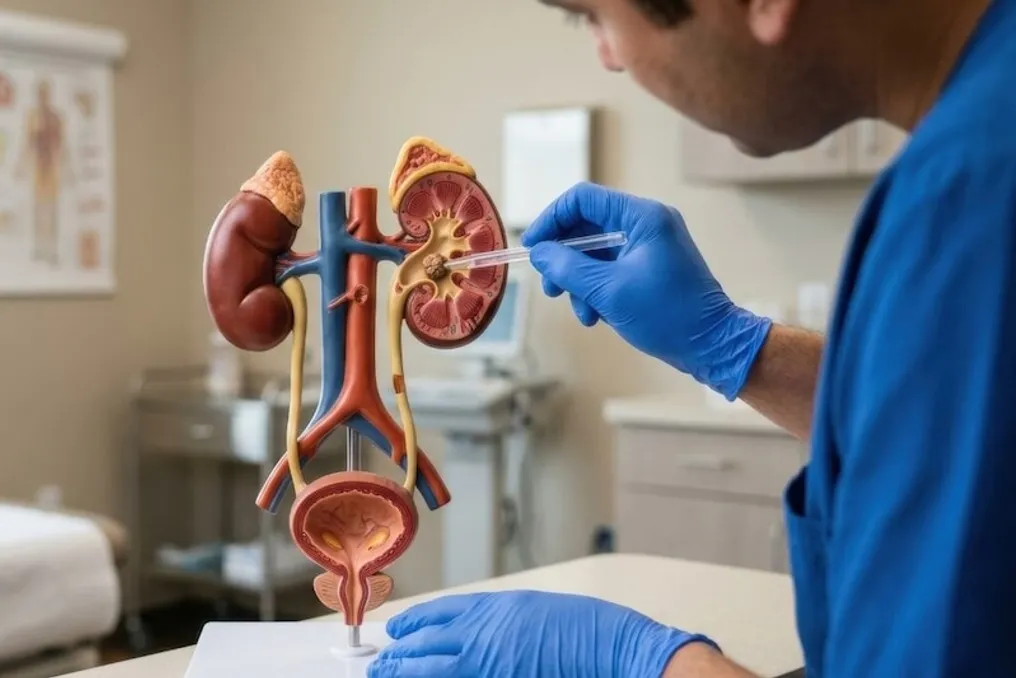
Maintaining oral health is critically important for preventing kidney diseases, despite the apparent illogical nature of this statement. Medical science establishes a link between the condition of the mouth, especially gum health, and kidney health. According to data from the National Kidney Foundation, gum disease can increase the risk of various kidney problems, which has been confirmed in several of the Foundation's studies.

Studies show that these systems are connected through the body's immune and circulatory systems. A correlation has been found between gum disease (periodontitis) and kidney diseases. The body's fight against bacteria causing gum problems leads to inflammation. Although inflammation is a natural reaction, its prolonged persistence can negatively affect the kidneys. Furthermore, dental infections can complicate blood pressure control and increase risks during surgery or transplantation, especially in people who already suffer from kidney diseases, are on dialysis, or are taking immunosuppressant drugs after transplantation.

It is important to understand that gum disease is not a direct cause of kidney failure, and it cannot be prevented solely by brushing teeth and using dental floss. Nevertheless, caring for oral hygiene is an integral part of overall bodily care.

Dr. Ghotechkar emphasizes the need to pay attention to oral hygiene to maintain good dental health. He recommends brushing teeth at least twice daily and avoiding sweets in the evening. If toothache or mouth ulcers appear, one should consult a doctor. It is also advised to refrain from consuming tobacco products (pan masala, gutkha) and alcohol.

The kidneys also follow the body's sleep cycle. Therefore, adequate sleep contributes to improving kidney health. It is recommended to sleep seven to eight hours every night. Sleep helps regulate blood pressure and blood glucose levels, which are two extremely important factors for kidney health. Studies have also shown that lack of or excess sleep can increase the risk of developing kidney diseases or proteinuria. However, these studies only demonstrate a correlation, not that chronic kidney disease arises exclusively due to lack of sleep.

Study shows link between parents' autoimmune diseases and risk of type 1 diabetes in children
Read more
nplus1.ru

Study shows link between parents' autoimmune diseases and risk of type 1 diabetes in children

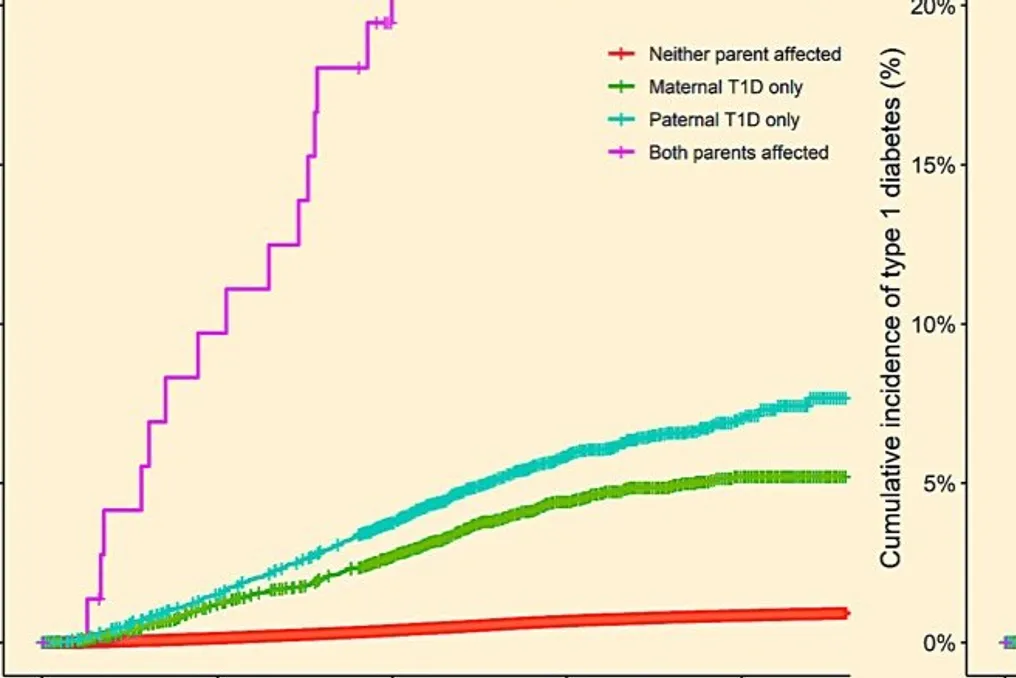
A large-scale study conducted by scientists from Sweden established a correlation between the presence of autoimmune diseases in parents and an increased probability of developing type 1 diabetes in their offspring.

It was found that if the mother suffers from an autoimmune disease during pregnancy, the risk of the child developing type 1 diabetes increases by an average of 57 percent. Similarly, the presence of such diseases in the father also increases this risk, raising it by 51 percent.

The results of this scientific investigation were officially presented in the journal JAMA Pediatrics.

Popular