Brazil expands protected wetlands to increase wildlife habitat space
Read more
Getaway
getaway.co.za

Brazil expands protected wetlands to increase wildlife habitat space

Brazil has increased the territory of one of its most important national parks by adding thousands of hectares of protected land to the Pantanal—vast wetlands known for their outstanding biodiversity and wildlife.

The expansion of the Pantanal Matogrossense National Park added approximately 47,260 hectares (116,782 acres) to the protected area in the state of Mato Grosso. The presidential decree, signed on March 23, 2026, increased the total park area to approximately 183,095 hectares.

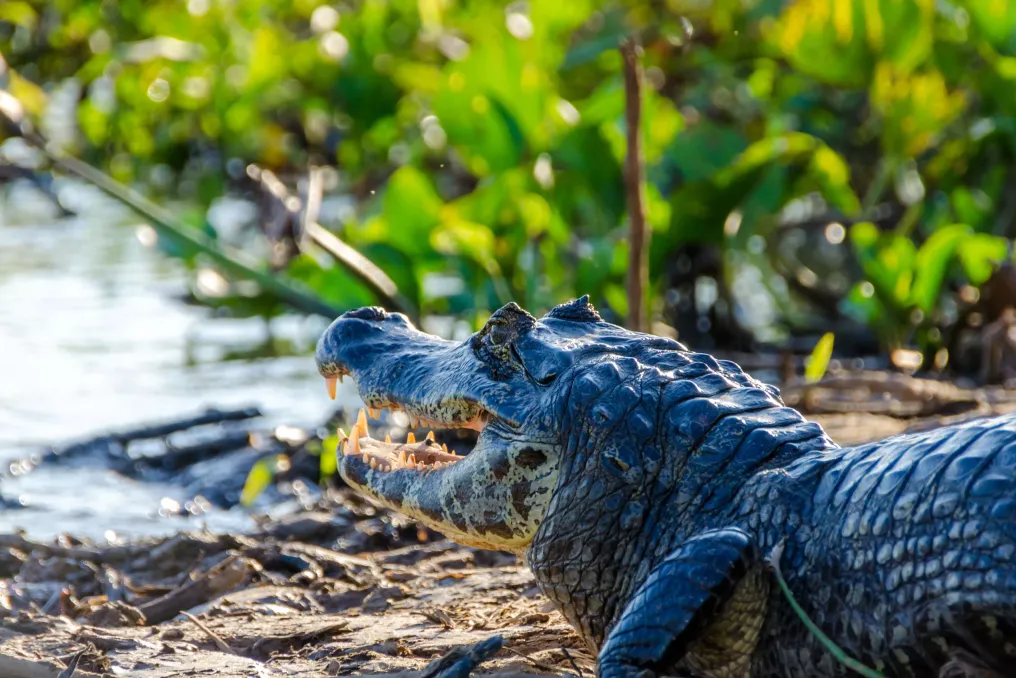
This step is significant for a landscape that supports an exceptional diversity of wild animals, including jaguars, giant otters, tapirs, and giant sloths. The Pantanal is the world's largest tropical wetland, whose landscape is shaped by seasonal flooding.

The rivers, grasslands, and lagoons in this region provide food, shelter, and breeding grounds for an incredible number of species. It is home to 463 species of birds, 269 species of fish, and over 236 species of mammals, including giant otters, tapirs, giant sloths, and giant tortoises. Furthermore, the region has the largest concentration of jaguars on Earth.

However, wildlife protection requires attention not only to individual species but also to the need to provide animals with space to move between habitats, find food, and maintain healthy populations. This is why this expansion is particularly important.

The Chico Mendes Institute for Biodiversity Conservation (ICMBio), which manages the park, identified important biological corridors that animals use to leave the protected area. These corridors help prevent the isolation of animal populations and maintain genetic diversity, especially among endangered species.

Cooperation with landowners in the surrounding areas will be crucial for preserving these natural routes. The expansion also responds to the demands of environmental activists who advocate for stronger protection of important breeding sites, ensuring a safer habitat for vulnerable animals.

Despite its astonishing biodiversity, the Pantanal faces growing environmental pressure. Fires and droughts threaten its natural balance, and damage to the rivers that feed the wetlands can negatively affect the entire ecosystem. Water plays a central role in the survival of the Pantanal, as seasonal floods shape the landscape, support wildlife, and help the wetlands retain water capacity.

More than three decades ago, this area was recognized as a wetland of international importance under the Ramsar Convention. The expansion of the national park will not eliminate all threats facing the region, but it will provide an additional layer of protection to this remarkable landscape.

Similar stories

Gabon's Forest Elephants: A Study of Tropical Forest Conservation Frontiers
Read more
getaway.co.za

Gabon's Forest Elephants: A Study of Tropical Forest Conservation Frontiers

In the depths of Central African rainforests live African forest elephants, moving through some of the continent's most outstanding wild landscapes. These elusive animals, often hidden under the dense canopy of the forest, are less common than their savanna relatives, but their impact on the environment is immense.

They play a key role in maintaining the ecosystems they inhabit, promoting long-distance seed dispersal and shaping the structure of tropical forests. Gabon is one of the most crucial countries for the survival of these animals, as the country is covered with vast tropical forests and holds a significant portion of the world's remaining forest elephants, making it one of the main conservation hubs in Central Africa.

However, protecting these animals requires more than just species preservation; it involves protecting associated habitats, combating illegal ivory trade, and finding ways for wildlife and rural communities to coexist.

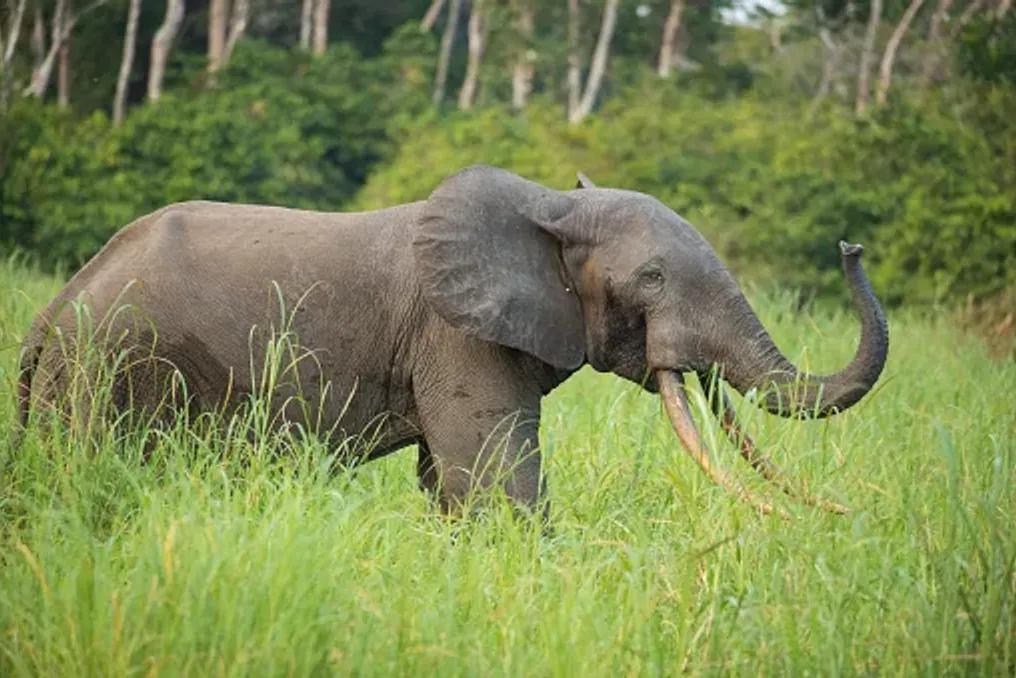
The African forest elephant (Loxodonta cyclotis) is a distinct species, different from the more familiar African savanna elephant. It is found predominantly in the tropical forests of Central and West Africa and possesses several physical characteristics adapted to life under the tropical forest canopy.

Forest elephants are generally smaller than their savanna counterparts, have straighter, downward-pointing tusks, and rounder ears. Their smaller size helps them navigate dense vegetation, and their diet mainly consists of fruits, leaves, bark, and other plant material growing in the forest.

Unlike elephants roaming open grasslands, forest elephants are difficult to spot. Dense vegetation hinders tracking, and their movements often take them far from roads and frequented areas. They are particularly associated with forest clearings known as baobabs, where mineral-rich soil and accessible water attract elephants and other wildlife.

These clearings provide some of the best opportunities for observing forest elephants in their natural habitat, although a sighting cannot be guaranteed. Forest elephants are sometimes called 'gardeners of the rainforest,' and this is not accidental. Their feeding habits and extensive movements influence plant distribution and contribute to the restoration of forest ecosystems.

Fruits form an important part of the forest elephant's diet. As they move through the tropical forest, elephants consume fruits and transport seeds over significant distances before depositing them in their excrement. This process, known as seed dispersal, helps plants colonize new territories and supports the regeneration of tropical forests. Some tree species rely heavily on large animals for seed dispersal, making elephants a vital contribution to the long-term health and diversity of these ecosystems.

Their movements also connect different parts of the forest, helping to maintain ecological links that might otherwise be disrupted by habitat fragmentation. Elephants impact their surroundings through feeding, trampling, and moving vegetation. Their activities can alter the structure of forest habitats, creating opportunities for various plant species and other animals.

Forest clearings, or baobabs, hold special significance. These open spaces in the dense tropical forest often contain mineral-rich water and open ground that attract elephants, gorillas, buffalo, and many other species.

In Indvindo National Park

In places like Baie Langue in Indvindo National Park, these natural gathering spots offer researchers and visitors the chance to observe wildlife that would otherwise remain hidden under the forest canopy. However, the link between elephants and forest regeneration is complex. Their impact varies depending on the plant species, habitat, and local conditions. It is clear that their disappearance would have consequences extending far beyond the loss of a single species.

A crucial part of elephant protection is understanding where they move. Their ranges can span hundreds of square kilometers, encompassing various habitats in search of food, water, and suitable conditions. Studies conducted in the Wonga-Wongwe presidential reserve in Gabon used GPS tracking to study their movements. A study involving 17 collared elephants showed that they traveled an average of about 2840 km annually, with an average range of about 713 square kilometers.

These results demonstrate why conservation cannot be limited to individual national parks or isolated patches of forest. Elephants need space to move, and their survival depends on maintaining connectivity between habitats. Roads, settlements, and agricultural development can disrupt these movements, increasing the likelihood of human contact and hindering access to certain areas for elephants.

Therefore, protecting ecological corridors and managing lands outside officially protected areas are vital elements of Gabon's broader nature conservation efforts.

Gabon is one of the most important remaining habitats for African forest elephants. Its vast tropical forests are part of the Congo Basin—the second-largest tropical forest region in the world, stretching across several Central African countries. A nationwide study published in 2021 estimated that there were about 95,000 forest elephants remaining in Gabon. Although this estimate carried significant uncertainty, it confirmed the country's exceptional importance for this species.

Gabon has also established an extensive network of national parks protecting vital tropical forest habitats, laying the foundation for wildlife research and conservation. Located in northern Gabon, Minkebe National Park protects a vast area of relatively untouched tropical forest. Historically, it supported a significant population of forest elephants but was also subjected to intense poaching pressure. Between 2004 and 2014, researchers counted that the park lost approximately 78–81% of its forest elephant population, mainly due to illegal ivory hunting. The scale of the decline highlighted how quickly even remote wilderness areas can suffer from organized poaching networks.

On the western coast of Gabon, Loango National Park is known for its unusual combination of tropical forest, lagoons, wetlands, beaches, and coastal habitats. The park is particularly interesting because it demonstrates the diversity of environments utilized by forest elephants. It is also part of a wider landscape supporting gorillas, chimpanzees, hippos, buffalo, and diverse birdlife. Its combination of coastal and forest scenery has made Loango one of Gabon's most unique natural destinations.

In eastern Gabon, Indvindo National Park protects vast tropical forests, rivers, and impressive waterfalls. Baie Langue is located here, one of the country's most famous forest clearings. This clearing attracts forest elephants and other wildlife, making it an important site for ecological research and observation. Its remote location also illustrates the challenges of wildlife monitoring in large, densely vegetated landscapes.

Lope National Park offers a different view of Gabon's nature, presenting a landscape where tropical forest meets savanna. This mix of habitats supports rich biodiversity and provides opportunities to study how animals utilize different environments. The park is also recognized as a UNESCO World Heritage site, reflecting its ecological and archaeological significance.

Despite Gabon's importance as a conservation hub, forest elephants are still classified as critically endangered. Their populations face a range of interconnected threats, many of which extend beyond national borders. Illegal ivory trade has had a devastating impact on forest elephants across Central Africa. Their relatively slow reproductive rate means that populations require many years to recover from significant losses. Even protected areas are vulnerable when poaching networks operate in remote forest landscapes. The dramatic decline in Minkebe remains a stark example of the consequences.

Effective protection requires continuous investment in anti-poaching patrols, intelligence gathering, law enforcement, and cooperation between neighboring countries. As forests and agricultural lands increasingly intersect, human-elephant conflict has become a critical conservation issue. Forest elephants sometimes raid crops, damaging fields and threatening the livelihoods of farming communities. For families dependent on harvests, the loss of food or income can create significant hardship. This can lead to retaliatory actions against elephants, undermining conservation efforts and creating tension between local communities and conservation authorities. Solving this problem requires more than just asking for tolerance of elephant presence. Practical measures, community involvement, and support for affected households are necessary to ensure coexistence.

In 2025, Gabon initiated a two-year project involving the government, the Wildlife Conservation Society, and Space for Giants to support efforts toward more peaceful human-elephant coexistence. While national parks provide vital refuges, elephants do not recognize protected boundaries. Many move through forests used for logging and other economic activities. Therefore, responsible forestry, careful infrastructure planning, and the protection of ecological corridors are essential.

The challenge lies in finding ways to balance economic development with the ecological needs of a species that requires large, connected landscapes to survive. Gabon's forest elephants represent more than just one of Africa's most prominent wildlife populations. Their movements, feeding habits, and relationships with other species are woven into the ecological functioning of the tropical forest. By protecting them, we preserve the forests that sustain countless other plants and animals, and we acknowledge the needs of the people who share these landscapes. The country's conservation efforts demonstrate both the opportunities and the difficulties associated with protecting vast wilderness areas. Its national parks, research programs, and community initiatives lay an important foundation, but long-term success will depend on sustainable protection and cooperation.
Brazil registers 63 beaches with international Blue Flag environmental seal for the 2026/2027 season
Read more
viagemeturismo.abril.com.br

Brazil registers 63 beaches with international Blue Flag environmental seal for the 2026/2027 season

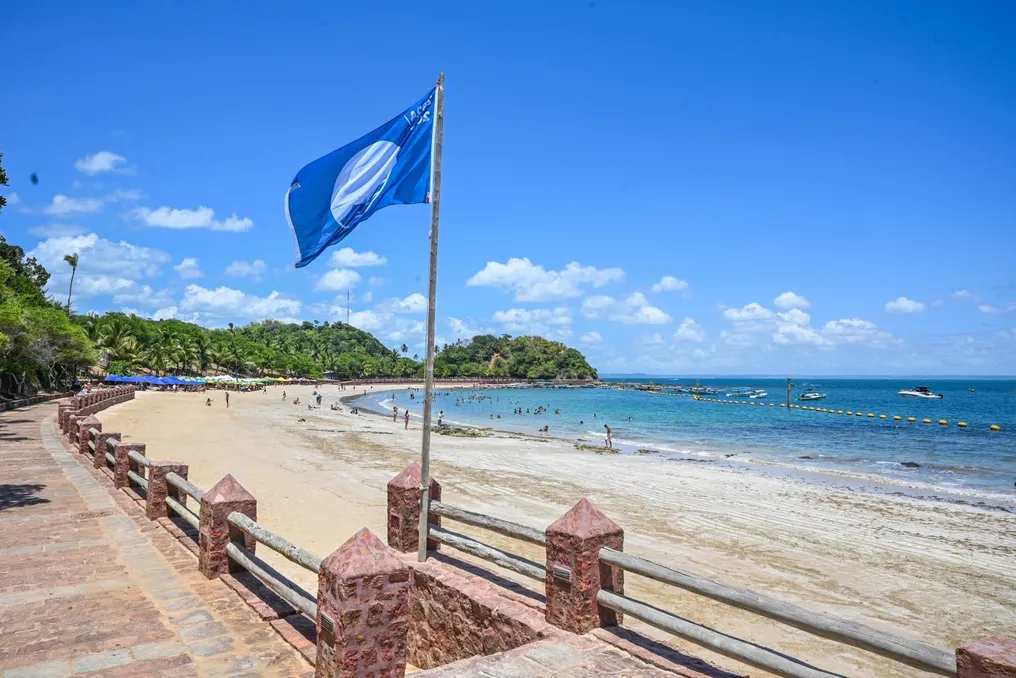
Brazil has reached the milestone of 63 beaches certified by the Blue Flag program for the 2026/2027 season, representing an increase of 13 units compared to the previous edition. In addition to beaches, the list includes 13 marinas. This international seal is granted to locations that meet rigorous standards related to water quality, environmental management, infrastructure, safety, and environmental education. The certification is valid for one year, after which the locations are subjected to inspections to ensure compliance with the requirements.

Highlights of this new season include Mar Grosso Beach, located in Laguna, which becomes the first beach on the southern coast of Santa Catarina to receive such recognition. Three beaches were also included in the state of Rio de Janeiro: Caravelas, in Armação dos Búzios; Pontal, in the Vila Industrial stretch, in Arraial do Cabo; and Gravatá, in Saquarema.

In Bahia, there was a notable growth, with the municipality of Camaçari increasing its number of recognized beaches from two to four. Additionally, Santo Antônio, in Mata de São João, received the seal for the first time.

Santa Catarina Leadership and Other States

The coast of Santa Catarina leads the national ranking with 33 beaches certified by the Blue Flag. Among the most highlighted tourist spots are Quatro Ilhas and Mariscal beaches, in Bombinhas, as well as Moçambique and Daniela, in Florianópolis. In total, the state accounts for 38 certifications, including five marinas.

Rio de Janeiro holds the second position, registering 19 recognized beaches. Five of these beaches are concentrated in Búzios, while Saquarema has four certifications.

Bahia totals seven certified beaches, four of which are located in Camaçari. São Paulo has one listed beach, Tombo, in Guarujá, complemented by four marinas recognized by the program.

There was also an increase in the volume of applications. For the 2026/2027 season, the program analyzed 83 applications, resulting in the approval of 75, which represents an approval rate of approximately 90%. In the previous edition, 64 candidates were evaluated, with 60 approvals, reaching a rate close to 94%.

About the Blue Flag Program

The Blue Flag initiative, present in Brazil for two decades, constitutes a voluntary and international ecological certification. It is coordinated by the Foundation for Environmental Education (FEE), a global organization focused on environmental education that operates in more than 80 countries.

The process to obtain the Blue Flag begins with the submission of an application by the municipal government. Initially, the location undergoes a technical visit to verify its capacity to meet the program's criteria. At this stage, the municipality receives guidance on the necessary modifications to satisfy environmental and infrastructure demands, having up to two years to implement such adjustments.

After this period, the beach can proceed to the final application, provided all requirements are met. The documentation is then evaluated by the Institute Ambientes em Rede (IAR), which is responsible for the national coordination of the project. Applications are sent to both national and international juries, who judge whether the location meets the established criteria. Approval grants the Blue Flag for one season, but to maintain the seal in subsequent years, the beach must continuously prove compliance with the criteria through new evaluations.

Regional Details

In Alagoas, two beaches were registered in Porto de Pedras (Lage and Patacho Beaches). Bahia has seven certified beaches, including Praia do Caribinho, Praia de Genipabu, and Praia do Paraíso in Guarajuba, Camaçari, as well as Praia da Espera in Itacimirim, Praia de Santo Antônio in Mata de São João, and Ponta de Nossa Senhora de Guadalupe, on Ilha dos Frades, in Salvador.

Ceará contributed one beach, Praia do Cumbuco, in Caucaia. Rio de Janeiro, with its 19 beaches, stood out in Búzios (five beaches) and Saquarema (four beaches).

Santa Catarina obtained 33 certified beaches, with several examples in Bombinhas (Quatro Ilhas, Mariscal, Daniela) and Florianópolis (Moçambique, Daniela). São Paulo registered only Tombo Beach, in Guarujá.

Shadhol Forests are Important for Tigers and Elephants as They Form a Natural Corridor Between Bandhavgarh and Achankmar
Read more
www.aajtak.in

Shadhol Forests are Important for Tigers and Elephants as They Form a Natural Corridor Between Bandhavgarh and Achankmar

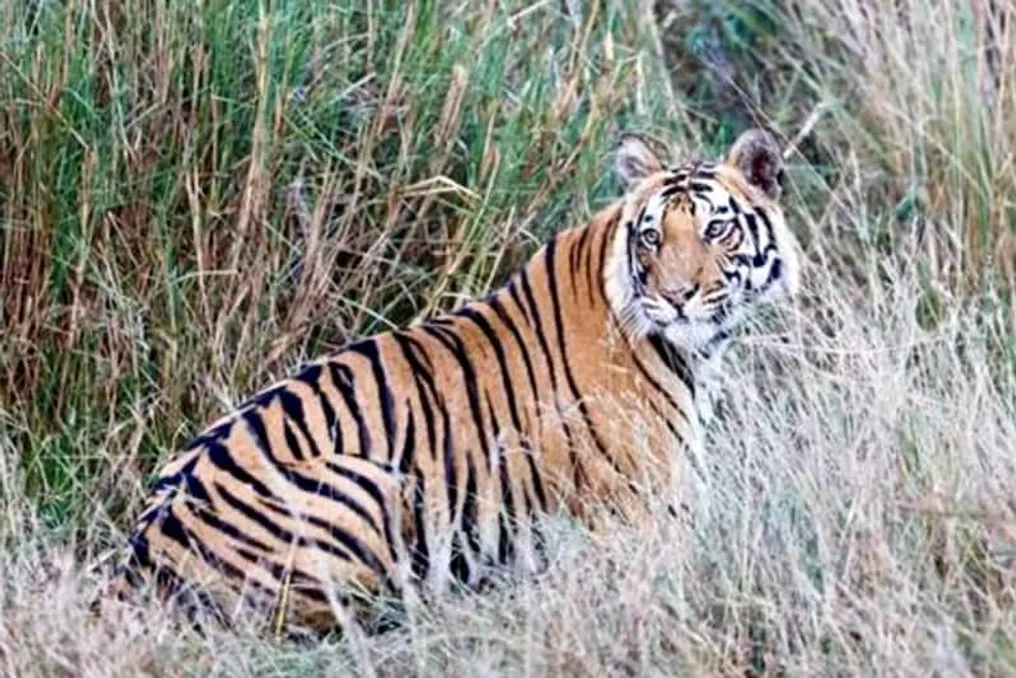
The Shadhol region in Madhya Pradesh is known for its rich forest cover and biodiversity. The dense forests here serve as natural routes for many wild animals, including tigers, elephants, leopards, and bears. Due to its location between the forest areas of Madhya Pradesh and Chhattisgarh, the Shadhol forests play a critically important role in wildlife conservation.

Although Shadhol itself is not a tiger reserve, its forest lands are vital for ecological corridors connecting the Bandhavgarh, Kanha, and Sanjay Gandhi reserves with the Achankmar reserve in Chhattisgarh. Special attention is paid to the Southern Forest Division area, which is considered a key link in the movement of wild animals.

The Shadhol forests provide a favorable habitat due to the presence of sal forests, natural water sources, and sufficient food. Tigers can use these forests to expand their territory and search for new habitats in other forests, while elephants travel long distances along their traditional paths.

These natural pathways help animals move from one forest mass to another. These natural routes maintain connectivity and migration among wild animals living in different forests.

Bandhavgarh Tiger Reserve in Umaria district is famous for its tigers, but the presence of elephants is also crucial for wildlife conservation. The movement of elephants from Chhattisgarh through the Anuppur and Shadhol forest areas to Bandhavgarh demonstrates the importance of these forests. Since early 2018, the appearance of elephants in the Bandhavgarh area has become an important aspect of conservation efforts.

Ecological corridors are natural paths that animals can use to move from one forest to another. These routes may include not only forests but also rivers, hills, villages, and settlements. Ensuring the safety of these corridors maintains contact between different natural habitats of wild animals, helping them find food, water, and new places to live.

However, deforestation, construction work, and other anthropogenic impacts can create obstacles on these paths, disrupting animal movement and increasing the risk of human-wildlife conflict.

Residents of settlements located in the migration areas of tigers and elephants need to be vigilant. If a wild animal is spotted near a forest or village, one should avoid approaching, surrounding, or provoking the animal. In such cases, it is extremely important to report it to the forest department.

Maintaining natural habitats, as well as the availability of water and food in forest zones, is also an integral part of wildlife conservation. The Shadhol, Anuppur, and Umaria forests play a key role in protecting the natural heritage of Madhya Pradesh. It is important to preserve these natural corridors between the forest areas of Madhya Pradesh and Chhattisgarh to conserve tigers, elephants, and other wildlife, as well as to maintain biodiversity.

Popular