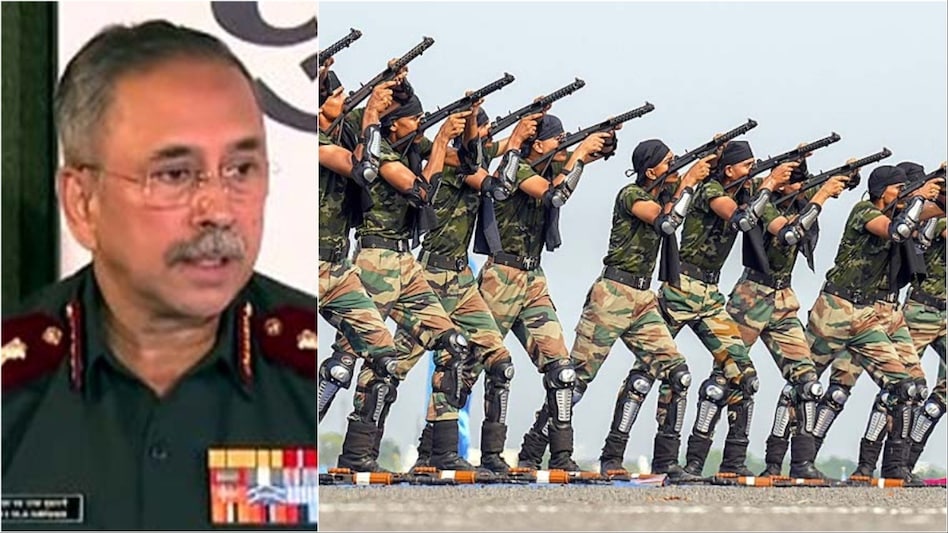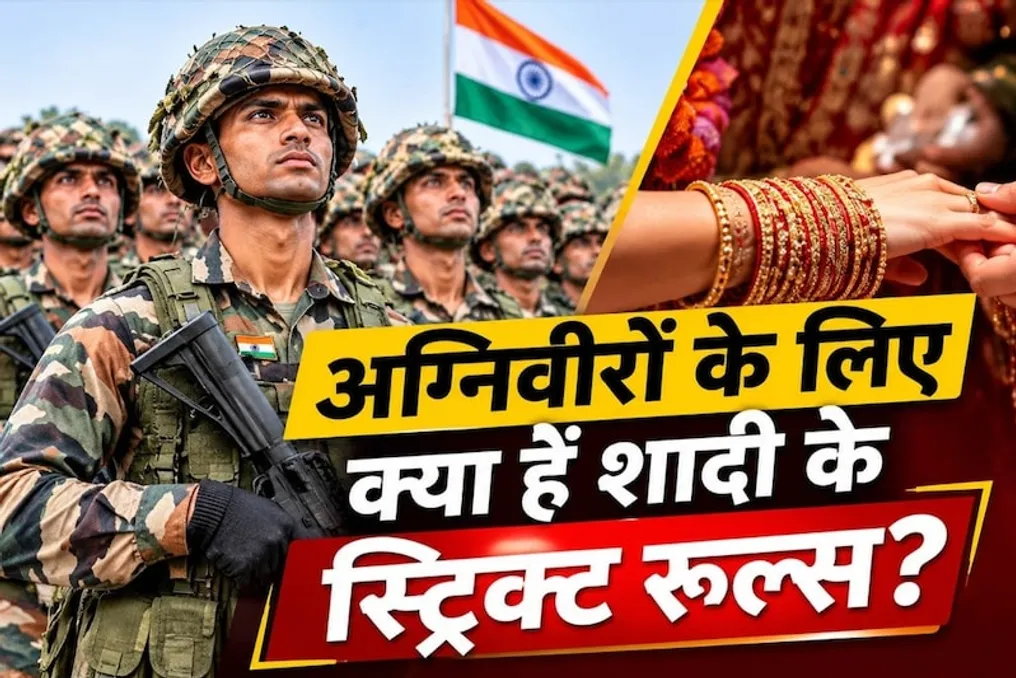
For young people dreaming of serving in the Indian Army under the 'Agnipath' scheme, a significant and encouraging change has recently occurred. The government and the Ministry of Defence have decided to grant Agniveers an additional two years of service after the initial four years.
Thanks to this new provision, about 75 percent of Agniveers will no longer be automatically discharged after four years of service but can voluntarily continue serving the country for another two years.
Although this decision has brought relief to young people regarding their careers, it has also raised an old question: will Agniveers be able to marry during this additional period, or will they have to wait six years?
According to the current system, the terms of the 'Agnipath' program clearly stipulate that candidates must be unmarried at the time of joining service. Furthermore, Agniveers are prohibited from marrying even during the first four years of service.
The army's argument is that the initial four-year period is an extremely sensitive time requiring focus on intensive training, operational duties, and military discipline. The requirement of being unmarried also remains for young people wishing to become regular soldiers until the selection results are announced.
Agniveers usually join service between the ages of 17.5 and 21. When the four-year term is completed and two additional years are added, many servicemen reach the age of 24 to 26. This age is an important stage when marriage and family life become a significant aspect of social existence.
Considering this, the Ministry of Defence and military planners are considering softening the rules regarding marriage and family during these two additional years.
According to information received from high defence sources, the armed forces are reviewing family provisions for Agniveers who have served more than four years under the revised 'Agnipath' structure. However, this does not mean that existing restrictions have been immediately lifted or that a new regulation has been officially published. The rule prohibiting marriage for the first four years remains fully in effect, but the possibility of changes to the rules, considering the needs of personal and family life during the two additional years, is being discussed.
After the announcement of the modified system by the Chief of Defence Staff (CDS) General N.S. Raja Subramani, servicemen will essentially have two options after completing four years of service:
Firstly, they can join the regular cadre: about 25% of Agniveers selected for permanent service will be eligible to marry upon appointment. Secondly, they can opt for the two-year extension: for the remaining 75% of servicemen who choose the extension, the final decision on allowing marriage during this period will depend on future official directives from the Ministry of Defence.