Thanks to a comprehensive review of statistical data, Ethiopia has significantly advanced in the global ranking, becoming one of the continent's largest economies. The approximate value of the economy was $210.7 billion for the financial year ending in July, and this occurred without the construction of new production facilities.
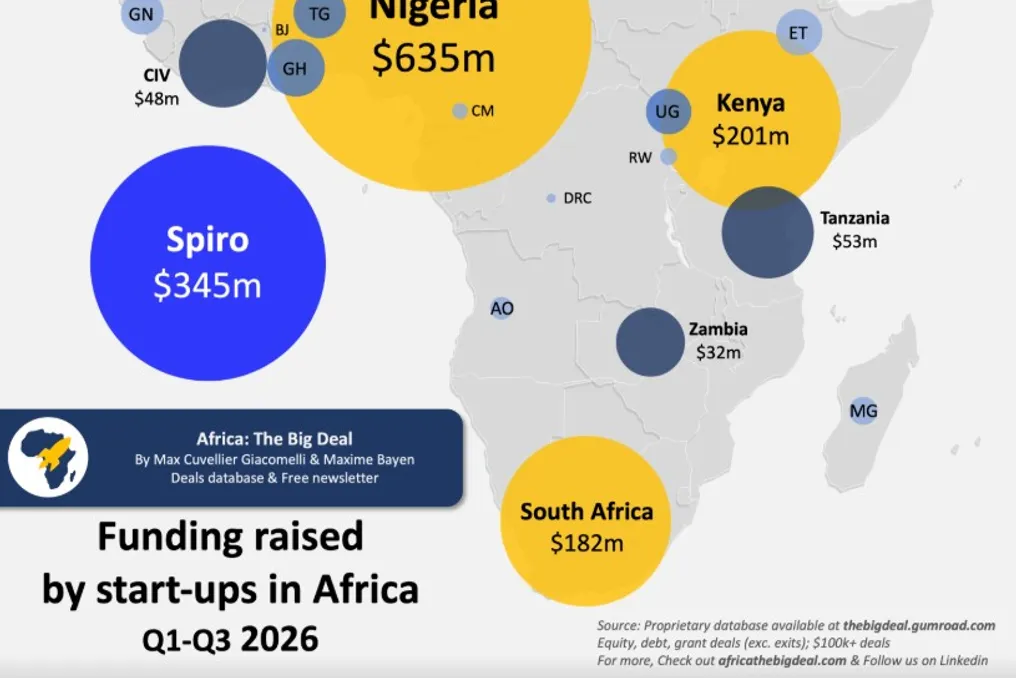
This significant leap resulted from one key step—data revision. Now, the East African country is only surpassed by Nigeria, South Africa, Egypt, and Algeria, and it has overtaken Morocco, Angola, and Kenya.
Finance Minister Fitsum Assefa presented the new figures on the social network X. The main change was the shift in the base measurement year. Previously, Ethiopia used 2015/16 as the basis, but now the 2024/25 period is being applied. This transition is critically important because a ten-year gap is long in a rapidly developing economy.
Fitsum noted that the old base year no longer reflected real changes in the economy, as new sectors had emerged and previous weighting coefficients were outdated. Consequently, statistics conducted a re-survey using fresh land records and new household surveys. Furthermore, state-owned enterprises and non-profit organizations were included for the first time.
In 2024/25, the economic volume reached $201.4 billion, which is 59% higher than previous estimates. Some sectors showed sharp growth: manufacturing increased by 161%, mining by 245%, and transport and warehousing by 287%.
Currently, the service sector accounts for almost 36% of GDP, with Ethiopian Airlines playing a significant role. Agriculture makes up 32%, followed by industry at about 30%. This is a substantial change for a country long considered predominantly agrarian.
GDP per capita has also risen, climbing from approximately $915 to $1,517. The government is optimistic and forecasts growth of 10.2% in the current fiscal year. Steps are also being taken to open the telecommunications and banking sectors to attract foreign investors, which is seen as an important point for investors and business founders, as a larger and more accurately measured market is easier to present, assess, and enter.
However, there are challenges. Ethiopia has external debt of about 8.73 trillion Birr. Compared to the old GDP, this represented 45.3%, whereas under the new data, this figure decreased to 27.4%.
Economist Alexander Winter from Oxford Economics emphasized that the debt itself, the costs of servicing it, and the need for foreign currency remain unchanged. Ethiopia continues the restructuring process within the G20 Common Framework. While the reduction in the debt ratio may help in these negotiations, it will not solve the financial problems.
The tax situation is also ambiguous: revenues fell from approximately 9.1% of GDP to 5.5%. A large part of the new economic activity is informal, which complicates taxation.
The new statistical data does not affect the wage level. As StockMarket.et summarized, this means 'a big economy, same empty pockets.' Daily life sees inflation of 15.3% in July following a fuel price shock. The Birr weakened to around 162 per dollar in October. A new graduate entering civil service receives 11,500 Birr, equivalent to about $71 per month, while rent in some areas of Addis Ababa can exceed this amount.
Meanwhile, the proportion of people living on less than $3 a day has reportedly increased from 33% in 2016 to approximately 43% in 2025. The country also requires about 1.8 million new jobs annually. Ultimately, the country might view this as a partial victory: improved data facilitates more informed decision-making by providing investors with a clearer market map, but the real test lies ahead—growth must translate into increased citizen income, not just improvements in tables.