
About 45% of the budget in Uzbekistan goes to food products; only six countries have a higher figure
Read more
Podrobno.uz [uz]
podrobno.uz

About 45% of the budget in Uzbekistan goes to food products; only six countries have a higher figure

According to research, residents of Uzbekistan allocate almost half of their budget to purchasing food products. According to an assessment by Visual Capitalist, based on statistics from the US Department of Agriculture for 2025, the share of food expenses in the country reaches 44.8%, placing Uzbekistan seventh among 103 surveyed states.

Only six countries spend more than this percentage on food. Among the leaders are countries such as Nigeria with a rate of 56.2%, Myanmar (54.8%), Laos (53.9%), Kenya (48.7%), Turkmenistan (46.3%), and Tanzania (45.8%). Kazakhstan ranks tenth in the rating with a food expenditure share of 41.7%.

However, national statistics from Uzbekistan show a different picture. According to data from the National Committee of Statistics of Uzbekistan, in 2025, households spend 56.5% of their consumer spending on food, which is 11.7 percentage points higher than the Visual Capitalist estimate.

This discrepancy is due to differences in calculation methodology. The USDA considers only food intended for home consumption, excluding spending on meals in cafes and restaurants, as well as on alcohol and tobacco from the international study.

For contrast, in several countries, food expenses account for less than ten percent of the total budget: in Ireland, this figure is 8.3%, in the USA—6.4%, and in Singapore—6.3%.

The comparison also shows regional differences: in Nigeria, the share of food expenses is more than three times that of South Africa (17%), and in Asia, Myanmar residents spend nearly ten times more on food than Singapore residents.

Differences in spending structure between countries are often explained by Engel's Law, which states that the higher the household income, the smaller the percentage of the budget allocated to food. Nevertheless, in absolute terms, affluent families may spend more on food than low-income families, so the percentage of expenditure does not always accurately reflect the real cost of the food basket.

Furthermore, a high proportion of spending on food may indicate financial vulnerability among the population, as significant food expenditures amplify the restrictive effect of price increases on other essential needs.

In the context of other indicators, Uzbekistan has previously lowered its ranking in the passport index, taking 82nd place out of 106, while citizens of the country have access to 57 destinations without the need for a prior visa or with the possibility of entry on arrival.
Similar stories

UK Government Confirms Introduction of New Tourist Accommodation Tax from 2028
Read more
getaway.co.za

UK Government Confirms Introduction of New Tourist Accommodation Tax from 2028

Travelers planning a trip to England may face increased accommodation costs as the UK government has confirmed its intention to introduce a new tourist levy for overnight stays.

The proposed tax will grant 13 Mayoral strategic bodies in England, including Greater London, the authority to impose an overnight stay charge in their respective regions.

Chancellor John Healey announced this during his budget speech on Wednesday, October 28, 2026, according to The South African.

Unlike destinations that charge visitors a fixed nightly fee, the proposed levy in England will be calculated as a percentage of the accommodation cost. This means the additional charge may vary depending on the location and the price of the lodging, affecting hotels, guesthouses, and other overnight accommodation providers differently.

The levy will not automatically apply across all of England. Instead, individual mayors and leaders of strategic bodies will decide whether to implement it in their areas and how the collected funds will be spent.

According to The South African, the government confirmed that local authorities will receive these powers starting in 2028. However, the exact rates and implementation details have not yet been determined.

For international guests, including South Africans traveling to the UK, the proposed levy is another potential expense to consider when budgeting for accommodation in some major English cities.

Kapitalbank plans to issue corporate bonds worth 50 million US dollars
Read more
uzdaily.uz

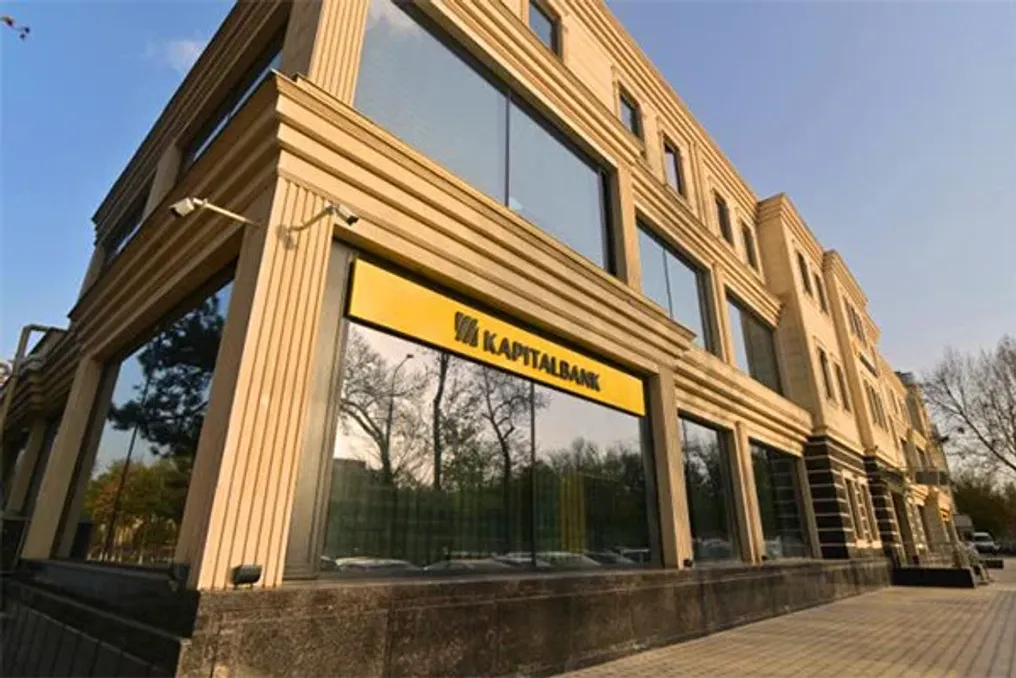
Kapitalbank plans to issue corporate bonds worth 50 million US dollars

Kapitalbank has announced its intention to issue corporate bonds bearing interest denominated in US dollars, totaling $50 million.

According to the bank's statement, this decision was approved at an extraordinary general meeting of shareholders held in Tashkent on October 29, 2026.

The bank will issue 500,000 registered bonds with a nominal value of $100 each. The annual coupon rate will be 7%, and interest payments will be made every three months.

These bonds will have eight coupon periods and a term of 731 days from the start of trading. The issuance will be unsecured.

The bond offering will be conducted through a public subscription for one year from the date of state registration of the issue. All transactions will take place in the organized securities market in accordance with the rules of the trading organizer.

Kapital Securities LLC will act as the underwriter. Payments on the bonds and their redemption will be made in US dollars via non-cash settlements. Settlements will be governed by the rules for conducting foreign currency securities transactions within the special legal regime known as the Regulatory Sandbox.

Heating bills recalculated in Kashkadarya region of Uzbekistan for nearly 2.3 billion soms
Read more
uzdaily.uz

Heating bills recalculated in Kashkadarya region of Uzbekistan for nearly 2.3 billion soms

In the Kashkadarya region of Uzbekistan, the heating payments for residents of 5,500 apartments were recalculated, amounting to almost 2.3 billion soms. This recalculation was necessary for periods when centralized heating was unavailable.

According to a statement from the press service of the Committee for Competition and Consumer Rights Protection of Uzbekistan, the adjustment occurred after an inspection of the boiler house operations. During the inspection, instances were identified where residents were charged for periods when heating services were not provided.

The regional branch of the committee assessed the quality of central heating services in residential buildings across the region. Heating was supplied by local boiler houses operated by Issiqlik Ta’minoti LLC.

This company serviced 384 residential buildings in the districts of Karshi, Nishan, Kasansai, and Yakkabag. In total, 14,448 apartments were connected to the central heating system. Additionally, the company had contracts for heat supply with 12 budgetary and other organizations.

The inspection showed that the boiler houses ceased operation at various times for several reasons: scheduled maintenance, system breakdowns, gas pressure dropping below the required level, as well as interruptions in the supply of cold water and electricity. As a result, consumers remained without heating.

Despite the lack of service, charges continued for the corresponding periods. The Committee reviewed this issue and decided to make changes to the payments after the end of the heating season in accordance with established legal procedures.

Ultimately, the bills for 5,500 apartments were recalculated in favor of the residents, with the total adjustment amount reaching almost 2.3 billion soms. The Committee stated its intention to continue working on consumer rights protection and monitoring compliance with requirements for providing utility services.

Popular