If you are looking for an alternative source of income besides traditional crops, consider growing hot peppers. This product has constant year-round demand and can be sold both in local markets and large wholesale markets. A feature of this crop is the possibility of multiple harvests after the plant has fully developed.
Farming Opportunities
Both small and large farmers can grow hot peppers. At the initial stage, you can start with a small plot to gain experience in market operations and yield. Loamy soil with good drainage is best suited for this, as water accumulation can damage plant roots. Therefore, proper water drainage must be ensured when preparing the field.
Choosing Varieties for High Yield
When cultivating hot peppers, variety selection is crucial. Farmers can consider improved and hybrid varieties such as Kashi Ratna, Kashi Jamuna, Arun-99, and VNR-6013. These varieties are characterized by good yield and increased resistance to certain diseases. However, not every variety is suitable for all regions. Before purchasing seeds, it is recommended to consult an agronomic center or an agricultural specialist in your area.
Starting the Process with Seedlings
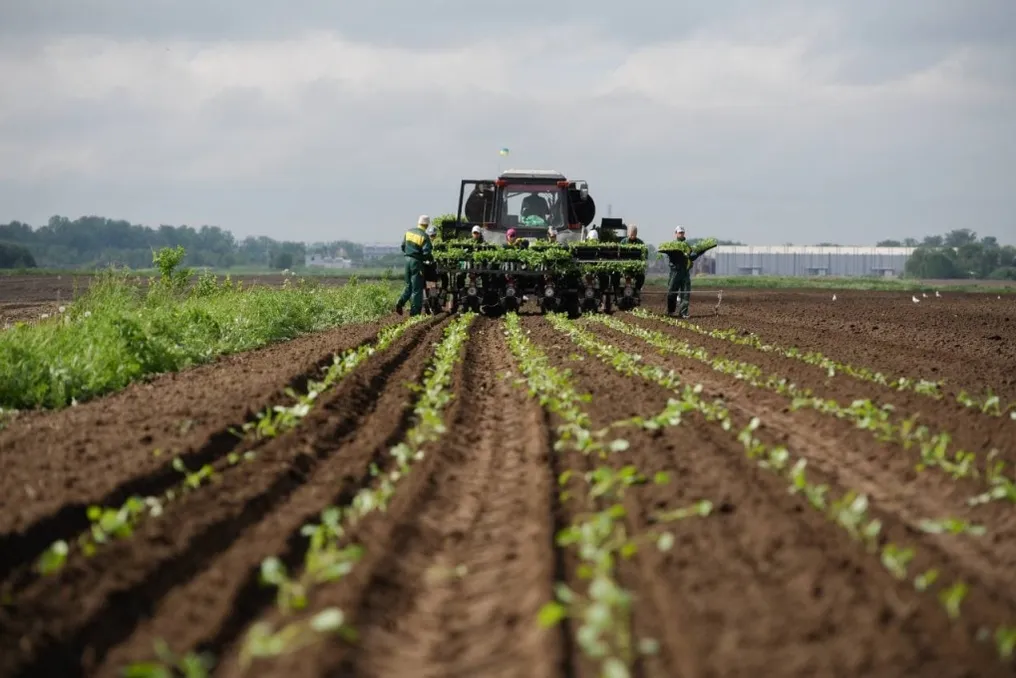
Hot pepper cultivation begins with sowing seeds in a nursery to prepare seedlings. It is necessary to choose high-quality certified seeds. In the nursery, plants should be watered as needed and protected from pests and diseases. Usually, healthy seedlings are ready for transplanting into the field after 30–35 days. When planting, it is important to maintain the correct spacing so that the plants have enough room to grow.
Precautions After Planting
Regular care is required after transplanting plants into the field. Weeding must be done periodically so that weeds do not absorb nutrients. Watering should be carried out taking into account the soil type and weather conditions. During flowering and fruiting, moisture deficit must be avoided, but waterlogging in the field must also be prevented. The use of fertilizers and nutrients should be based on soil analysis and the advice of an agronomist.
When Do Fruits Appear?
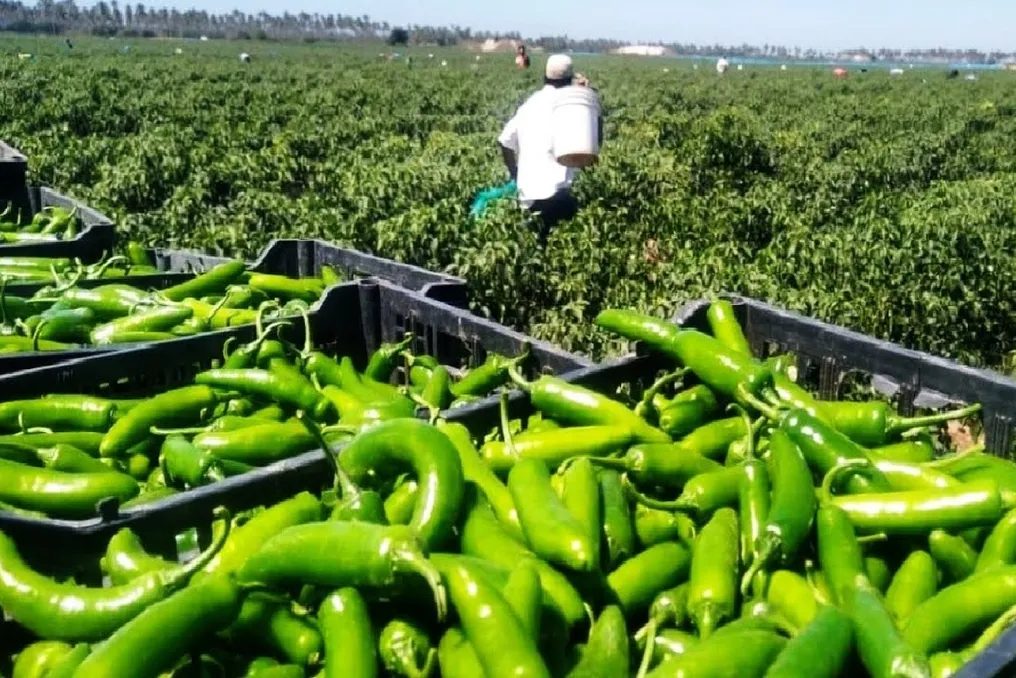
Fruits on hot pepper plants may begin to appear approximately 50–60 days after transplanting. This period can vary depending on the variety, weather, and farming methods. Harvesting is done when the pepper is fully ripe and ready for sale in the market. The fruits should be carefully detached from the stem to avoid damaging the branches and the rest of the harvest.
Multiple Harvests
One of the advantages of growing hot peppers is that harvesting does not require it to be done all at once. Depending on the condition of the crop, the farmer can harvest peppers weekly or every 8–10 days. With proper care and favorable weather, harvesting can continue for several months, allowing the farmer to sell their produce at different times on the market. However, the duration of production depends on the variety, weather, and the overall condition of the crop.
Yield Per Hectare
With ordinary hot pepper varieties, a yield of about 200–250 quintals per hectare can be obtained. When using improved varieties and ensuring optimal conditions, the yield can reach 300–400 quintals per hectare. It should be noted that this is the maximum potential volume, which is not guaranteed. Actual yield depends on the soil, seeds, weather, irrigation, fertilizers, and pest and disease control.
Costs and Income in Agriculture
In growing hot peppers, costs are related to seeds, nursery, field preparation, fertilizers, irrigation, labor, pest and disease control, harvesting, packaging, and transportation. Costs can vary significantly depending on the region and farming methods. According to available agricultural studies, the cost per hectare ranges from approximately 1.3 lakh rupees to over 3.3 lakh rupees. This amount should not be considered fixed for every farmer. To calculate the income, assume that 250 quintals, or 25,000 kg of peppers, were obtained from one hectare. If the farmer receives an average price of 40 rupees per kilogram, the total sales volume will be 10 lakh rupees. Real profit will only be realized after deducting the costs of farming, harvesting, packaging, and transportation. Income can also change depending on fluctuations in market prices.
Tips for High Income
Before starting to grow hot peppers, you need to study information about the soil, weather, and market in your region. You should use certified seeds and choose varieties suitable for your climate. Ensure good drainage in the field and avoid excessive use of fertilizers or pesticides. If the plants show signs of problems such as leaf curling, spots, or fruit rot, you should seek advice from an agronomist. Also, before planting, gather information about demand, prices, and buyers in nearby markets to minimize difficulties in selling the harvest.