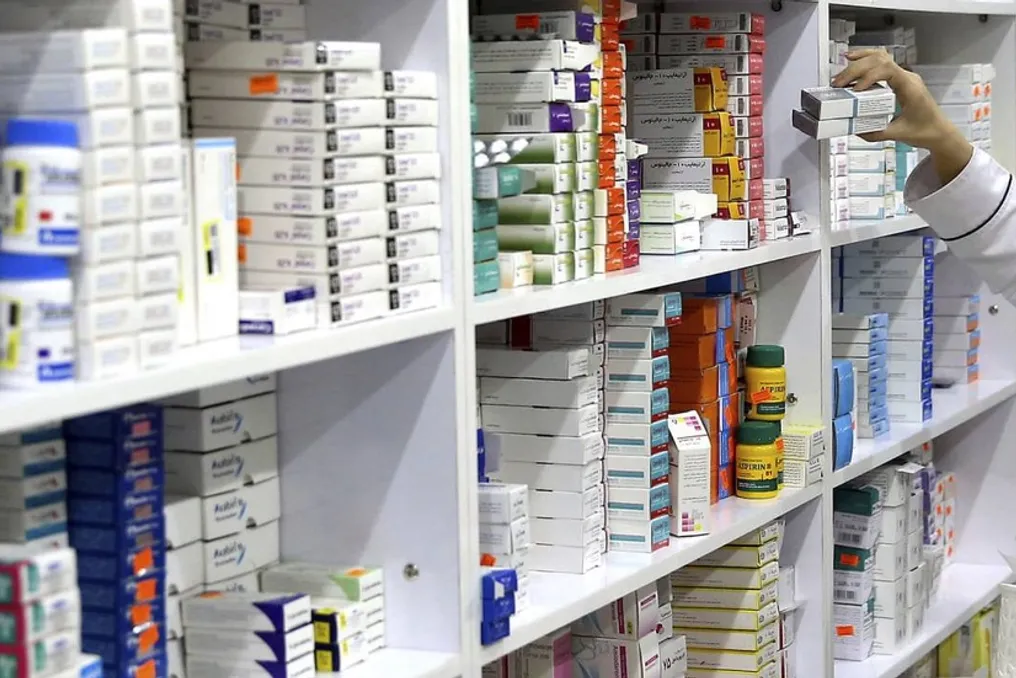
New rules for online sale and delivery of medicines are being developed in Uzbekistan
Read more
Podrobno.uz [uz]
podrobno.uz

New rules for online sale and delivery of medicines are being developed in Uzbekistan

Uzbekistan is preparing to update regulations concerning the sale, storage, and transportation of pharmaceuticals. According to the Ministry of Health's draft, it will be permitted to order over-the-counter medications and certain medical devices online, and new requirements will be established for pharmacies and courier services.

Only pharmacy chains and their representatives will be allowed to engage in online trade. Product delivery is permitted either by the pharmacy itself or through the use of marketplaces and aggregators. Temperature-sensitive medications will require specialized transport equipped with refrigeration units or thermal containers; transporting such drugs together with other cargo will be prohibited.

Pharmacies will be obligated to provide consumers with comprehensive information about each drug, including its name, dosage, serial number, expiration date, cost, and instructions. The pharmacist will bear personal responsibility for the correctness of dispensing and the accuracy of the provided data.

The new draft aims to strengthen consumer protection: if packaging damage or an order discrepancy is found, the consumer has the right to refuse the purchase. If there is suspicion of falsification or low quality, the drug will be temporarily removed from sale, and information about it will be forwarded to the Center for Pharmaceutical Product Safety.

A regulation for withdrawing dangerous or substandard medicines from circulation within a period of 24 to 72 hours, depending on the risk level, is being introduced. Information about such incidents will be published via the official website, mass media, and social networks.

Furthermore, norms for the disposal of unusable medicines are being tightened: they must be neutralized and incinerated at high temperatures, while products containing living microorganisms must undergo disinfection.

Discussion of this draft is open to participants until November 19, 2026. It should be noted that the Competition Committee is currently reviewing appeals from pharmacies regarding situations where wholesale suppliers force the purchase of additional, unordered medications.

Similar stories

Uzbekistan and Beyond Health Discuss Establishment of Domestic Peptide Drug Production
Read more
uzdaily.uz

Uzbekistan and Beyond Health Discuss Establishment of Domestic Peptide Drug Production

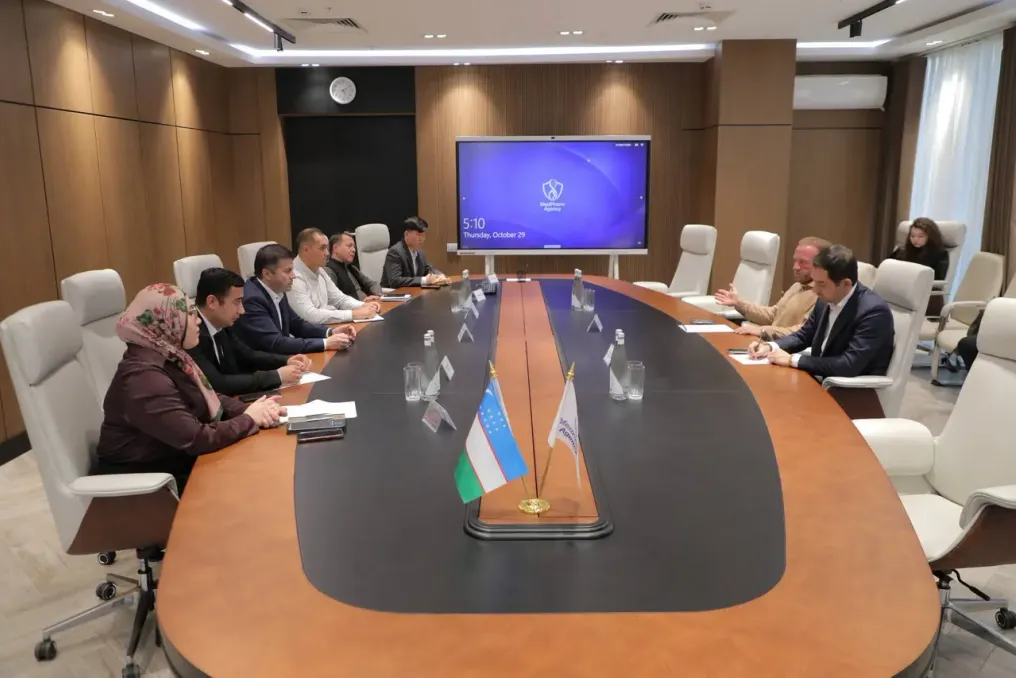
The Agency of Uzbekistan for the Development of Medical and Pharmaceutical Industry held negotiations with the company Beyond Health regarding potential investment projects aimed at establishing local production of peptide-based medicines.

The Agency's Director, Abdullah Azizov, met with company representatives Farhod Shagulamov and Jan Sebastian Herman to discuss prospects for cooperation in the country's pharmaceutical sector.

During the discussions, potential investment initiatives were reviewed, as well as issues concerning the improvement of the regulatory framework governing pharmaceutical activities in Uzbekistan.

Key Discussion Areas

Particular attention was paid to the implementation of international Good Manufacturing Practice (GMP) standards, drug registration and licensing procedures, as well as the development of domestic pharmaceutical production and increasing the industry's export potential.

The meeting participants also closely examined the practical aspects of the proposed investments in peptide drug production, including the conditions necessary for implementing such projects. The meeting focused on defining areas of possible interaction and assessing opportunities for developing pharmaceutical manufacturing in Uzbekistan.

Uzbekistan will begin phased procurement of medical services from the private sector
Read more
podrobno.uz

Uzbekistan will begin phased procurement of medical services from the private sector

New outsourcing methods will be introduced into the healthcare system of Uzbekistan, according to which medical services will gradually begin to be purchased from private structures. This was announced by President Shavkat Mirziyoyev during a meeting with employees of the medicine and pharmaceutical sectors.

The President emphasized that new medical institutions will be created according to an approved master plan that takes into account both population density and the location of various territories. He noted that there is an imbalance: in some places there is a shortage of hospitals, while in others capacities are not being fully utilized.

Entrepreneurs will be granted the right to occupy spaces in state hospitals to place modern medical equipment. Financing for the provided services will be carried out through the insurance system. Businesses will be able to purchase services such as hemodialysis, laboratory, sterilization, rehabilitation, and physiotherapy procedures. Furthermore, financing conditions and market mechanisms beneficial to entrepreneurs will be established in each region.

Shavkat Mirziyoyev also commented on the growth in the number of private clinics, which has increased from 3.5 thousand in 2017 to over 9 thousand. He pointed out that the private sector already leads in some high-tech areas: its share reaches 90% in dentistry, 70% in diagnostics, and 60% in ENT services, urology, and ophthalmology.

Nevertheless, the head of state noted a significant gap in development between regions. In Andijan, Fergana, Namangan, Samarkand regions, and Tashkent, about 35–40% of private clinics have inpatient wards, whereas this figure does not exceed 15% in Karakalpakstan, Syrdarya, Jizzakh, and Navoi regions.

The President believes that the participation of the private sector remains insufficient in critically important areas such as rehabilitation, nephrology, oncology, neurosurgery, psychiatry, narcology, and maternity hospitals. These areas will receive increased attention. Regional heads will annually determine and publish land plots designated for the construction of private clinics, putting these lands up for auction exclusively for this purpose.

It was previously announced that a unified master plan for the development of medical infrastructure for the period from 2026 to 2036 would be developed. Shavkat Mirziyoyev added that the placement, construction, and equipping of all medical institutions must take into account the real needs of the local population.

Uzbekistan is checking drug suppliers due to pharmacy complaints about forced imposition of medications
Read more
podrobno.uz

Uzbekistan is checking drug suppliers due to pharmacy complaints about forced imposition of medications

Checks have begun on medical suppliers in Uzbekistan following appeals from pharmacy chains. Complaints state that wholesale suppliers compel pharmacies to purchase additional medicines that were not originally ordered.

The Competition Committee is examining the possibility of violations and warns pharmaceutical companies that imposing additional conditions may result in financial penalties.

According to agency data, 305 companies imported medicines into the country during the first nine months of 2026. The five largest importers accounted for 47.2% of the total import volume.

The Committee also drew attention to the dynamics of pharmacy infrastructure development. As of October 1, 2026, there were 14.6 thousand pharmacies operating in the country, including 449 wholesale and over 14 thousand retail ones. There was a decrease in the number of main retail pharmacies from 8.5 thousand in 2023 to 7.9 thousand, but the number of their branches increased from 4.6 thousand to 6.2 thousand.

The agency emphasizes that the practice of imposing additional goods can negatively affect small businesses, restrict their operations, and hinder fair competition. A typical example is when a supplier offers to sell a necessary drug to a pharmacy only on the condition that it also purchases other unrequested medicines.

Legislation enshrined in the 'Competition Law' directly prohibits the abuse of dominant position. Specifically, it is unacceptable to impose additional conditions on counterparties by forcing them to buy goods unrelated to the initial transaction or refusing cooperation with this supplier's competitors.

If violations are confirmed, companies may be subject to financial sanctions. The amount of these fines can reach 5% of the revenue generated from goods sales during the period of violation, but cannot exceed the sum for the last three years.

Currently, the Competition Committee continues to study the situation in the wholesale drug trade market in detail. If it is established that the forced sale of unsolicited medicines constitutes a violation of the law, suppliers will face legal liability.

Previously, in Tashkent pharmacies, cases of selling medicines at prices significantly exceeding established maximum limits were identified during 'mystery shopper' checks.

Popular