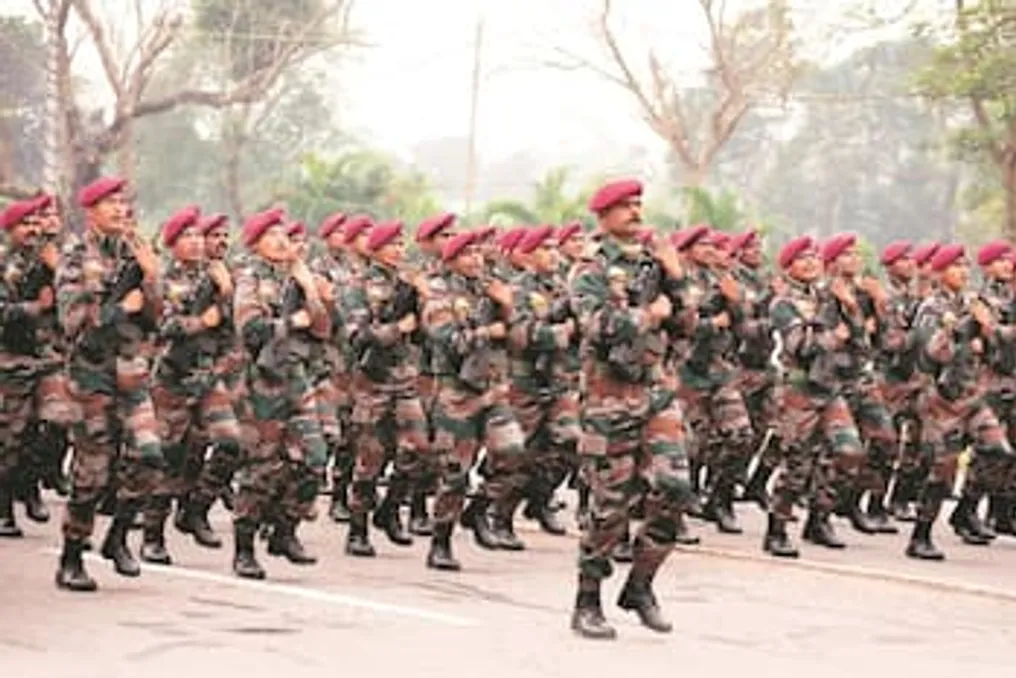
Agnipat Scheme Revised: All Agniveers Can Transition to Regular Forces After Six Years of Service
Read more
Business Standard
business-standard.com

Agnipat Scheme Revised: All Agniveers Can Transition to Regular Forces After Six Years of Service

Changes have been made to the Agnipat scheme, which provides for an additional two-year service period for Agniveers, opening up the possibility for all to join the regular forces provided they meet the requirements of desire, physical fitness, and discipline.

According to a report from the ANI agency, citing representatives from defense departments, all Agniveers will now be integrated into the regular forces. The first twenty-five percent will be accepted after the initial four-year term of service, while the remaining seventy-five percent will be included without quantitative restrictions after completing the second service period.

These changes resulted from a government decision made on Wednesday to introduce an additional two-year service period for Agniveers completing their initial term under the Agnipat scheme. This decision was approved by the Cabinet of Ministers upon the recommendation of the three armed forces, and the Chief of Defence Staff General NS Rajah Subramani announced it shortly after the Cabinet's approval.

Continuation of the Agnipat Scheme, According to Military Officials

Officials clarified that the latest announcement does not mean the cancellation of the Agnipat scheme. Instead, another two-year service period has been introduced, creating a pathway for all Agniveers to become regular soldiers after completing this additional term.

Regarding seniority for the seventy-five percent of Agniveers who do not receive permanent placement after the first four years, defense department representatives stated that their seniority will be protected. They will be placed immediately after their group mates who transitioned to the regular forces after the first four years, ensuring they are not ranked below subsequent groups.

The Agnipat scheme, launched in June 2022, initially stipulated a four-year enlistment, with only 25 percent of each batch having the right to remain in military service in the regular forces. The latest changes were announced less than three weeks before approximately 18,000 Agniveers were due to complete their four-year term and leave the armed forces.
Similar stories

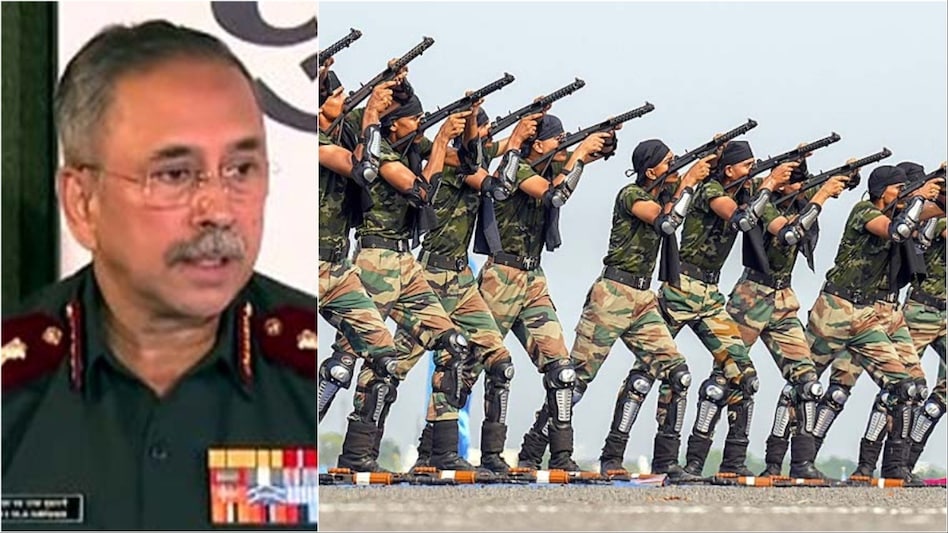
CDS announced two-year extension of Agniveer service under the Agnipath program
Read more
www.aajtak.in

CDS announced two-year extension of Agniveer service under the Agnipath program

The Indian government and armed forces are conducting a comprehensive analysis of the Agnipath program. Significant changes are being discussed as the first cohort of Agniveers approaches the end of their four-year service term, which expires in 2026-27. General NS Raja Subrahmanyam, Chief of Defence Staff (CDS), stated that Agniveers will be granted a two-year service extension.

The two-year service period will be extended for selected Agniveers who will not be immediately offered a transition to the permanent force. Under the current system, Agniveers serve for four years, after which only 25% remain in the permanent cadre, and the remaining 75% are given the option to extend their service for two years.

The proposed extension is significant because retaining trained personnel in the army for some time instead of their complete discharge after four years allows for the maintenance of their experience and qualifications. Discussions are growing in military and political circles regarding the retention of personnel, their experience, and their future.

General Raja Subrahmanyam, CDS, emphasized that the program is continuously being improved based on ground feedback, as well as from commanders and the Agniveers themselves. The government's stance is clear: Agnipath is not a static system but a plan that will evolve over time.

Since the launch of the Agnipath program, a new path has opened up in the army for the youth; however, questions have arisen concerning lack of experience and uncertainty about the future due to the fact that most servicemen leave after four years. The two-year extension will be available to selected Agniveers who demonstrate superior performance.

This will give the army an advantage in terms of trained personnel, and the soldiers will gain additional experience and stability. In addition to pension accumulations, salary and other benefits will continue to be paid during the extension period. This step may help increase the program's acceptability among the youth.

Defense experts believe that such adjustments will make the program more practical. Learning from the mistakes of the first batch, the government is trying to strike a balance between increasing the retention percentage and providing an extension option. The CDS's statement clearly shows that feedback is being taken seriously. Official announcements are expected in the coming months. This review is a positive step towards enhancing the effectiveness of Agnipath, considering both the army's needs and the aspirations of the youth. Overall, this change could strengthen the young force of the Indian armed forces.

Popular