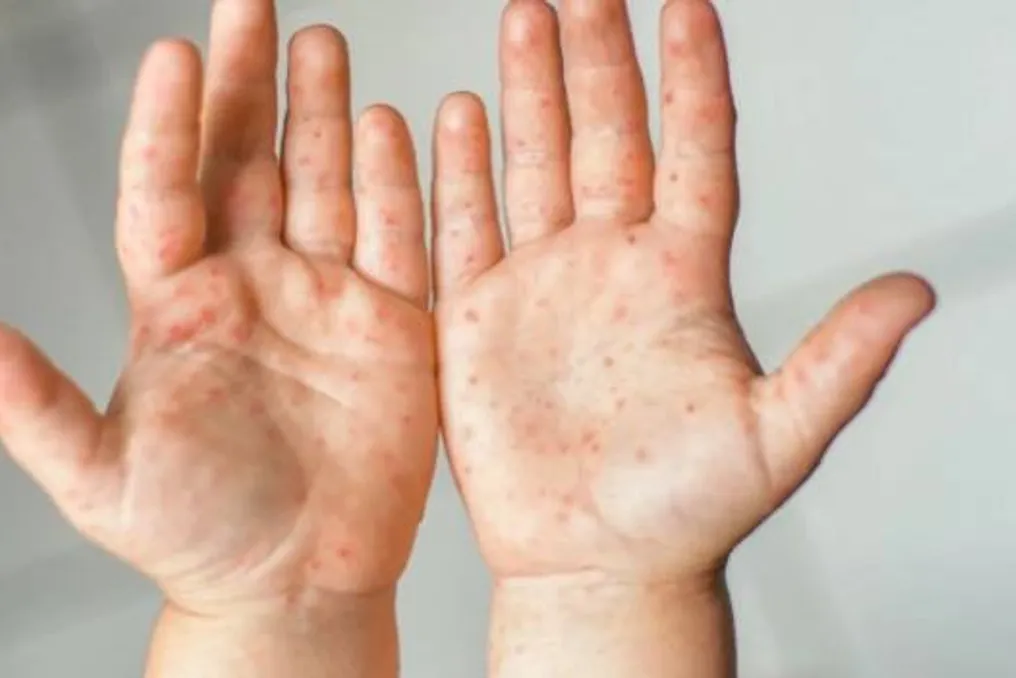
The Ministry of Health of Uzbekistan has drawn public attention to the Coxsackie virus, warning about a possible increase in infection risk during the autumn and winter period. Specialists provided information on how to identify this infection and what steps need to be taken to prevent the illness.
Information about the Coxsackie virus
Nurmat Atabekov, First Deputy Chairman of the Committee for Sanitary and Epidemiological Welfare and Public Health, explained that the Coxsackie virus belongs to the enterovirus group and primarily affects children. Symptoms of the disease may include fever up to 39–40 degrees Celsius, headache, weakness, as well as nausea and vomiting.
Key signs of this infection are a rash that appears on the palms, soles, and mucous membranes of the mouth.
Prevention Measures and Recommendations
To prevent infection, specialists advise regularly performing hygienic procedures, such as washing hands with soap. It is also important to clean common items and toys, as well as thoroughly wash all vegetables and fruits, using only safe drinking water.
If clear symptoms arise, it is necessary to immediately consult a medical professional. It is emphasized that taking antibiotics independently is not advisable, as they do not work against viral infections.
Furthermore, it was noted that Uzbekistan is preparing for the expected seasonal surge in influenza and ARVI cases. According to the Ministry of Health data, the peak of morbidity traditionally occurs from November to February, and the country's medical institutions have secured the necessary supplies of medicines and equipment.