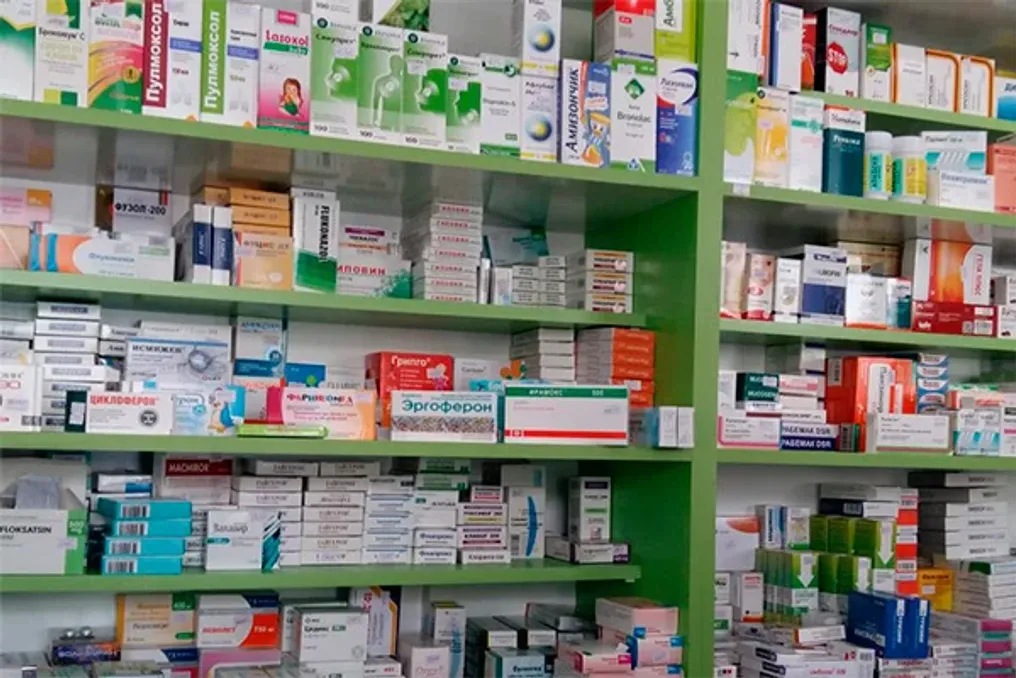
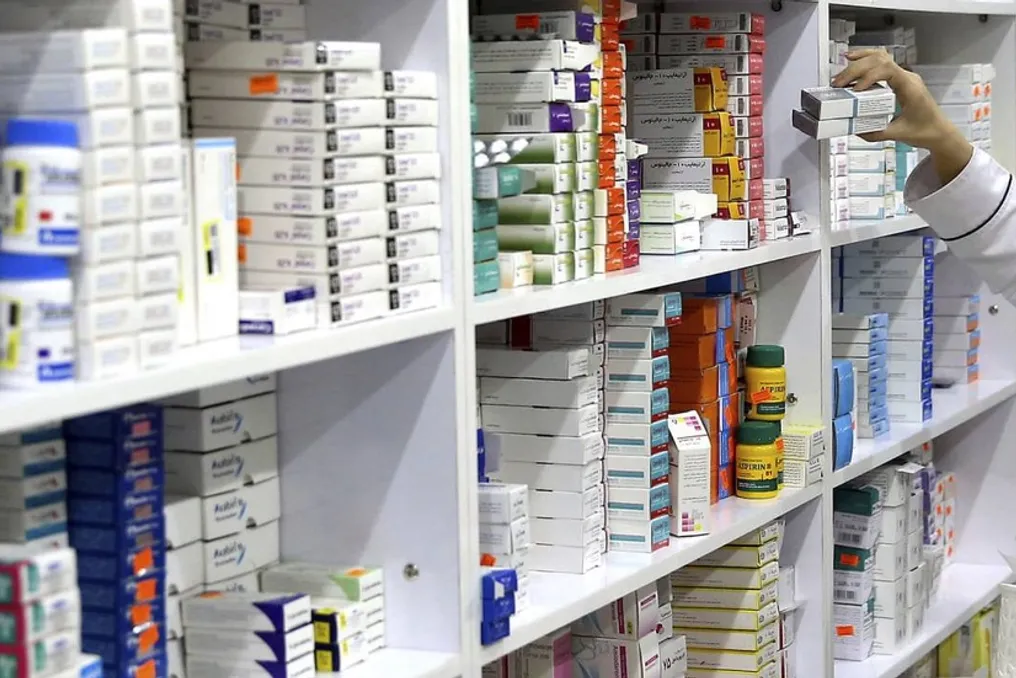
Uzbekistan studies the experience of Great Britain in conducting pharmacy inspections
Read more
UzDaily
uzdaily.uz

Uzbekistan studies the experience of Great Britain in conducting pharmacy inspections

Specialists from Uzbekistan held a discussion on modern methods of pharmacy control and the application of risk-based supervision with a representative of the General Pharmaceutical Council of Great Britain (GPhC).

The online meeting took place on November 4th and was attended by staff from the Center for Good Practices at the Agency for the Development of Medical and Pharmaceutical Industry of Uzbekistan.

During the negotiations, the parties reviewed various mechanisms for controlling pharmacy activities, methods for using risk assessment when planning inspections, as well as ways to improve supervisory procedures.

Participants also discussed opportunities for further professional exchange and identified areas for practical cooperation between the relevant organizations of the two countries.

Similar stories

Uzbekistan and Beyond Health Discuss Establishment of Domestic Peptide Drug Production
Read more
uzdaily.uz

Uzbekistan and Beyond Health Discuss Establishment of Domestic Peptide Drug Production

The Agency of Uzbekistan for the Development of Medical and Pharmaceutical Industry held negotiations with the company Beyond Health regarding potential investment projects aimed at establishing local production of peptide-based medicines.

The Agency's Director, Abdullah Azizov, met with company representatives Farhod Shagulamov and Jan Sebastian Herman to discuss prospects for cooperation in the country's pharmaceutical sector.

During the discussions, potential investment initiatives were reviewed, as well as issues concerning the improvement of the regulatory framework governing pharmaceutical activities in Uzbekistan.

Key Discussion Areas

Particular attention was paid to the implementation of international Good Manufacturing Practice (GMP) standards, drug registration and licensing procedures, as well as the development of domestic pharmaceutical production and increasing the industry's export potential.

The meeting participants also closely examined the practical aspects of the proposed investments in peptide drug production, including the conditions necessary for implementing such projects. The meeting focused on defining areas of possible interaction and assessing opportunities for developing pharmaceutical manufacturing in Uzbekistan.

Uzbekistan investigates forced sale of medicines along with popular drugs
Read more
uzdaily.uz

Uzbekistan investigates forced sale of medicines along with popular drugs

The Committee for Competition Development and Consumer Rights Protection of Uzbekistan is investigating cases where buyers are allegedly forced to purchase additional medications when buying popular drugs in bulk.

The regulator warned importers and wholesale distributors about the possible application of penalties if violations are confirmed. According to the committee, the number of complaints on social media regarding the forced sale of additional medicines alongside in-demand drugs has recently increased.

The committee noted that such methods can negatively affect the economic interests of small businesses, restrict their activities, and undermine competition.

Market analysis showed that in the first nine months of 2026, 305 pharmaceutical companies were imported into Uzbekistan. Furthermore, the five largest importers accounted for 47.2% of the total import volume.

The structure of the country's pharmaceutical market has changed in recent years. In 2023, there were 13,744 pharmacies operating in Uzbekistan, including 521 wholesale points and 13,223 retail pharmacies. The retail network at that time consisted of 8,584 main pharmacies and 4,639 branches.

In 2024, the total number of pharmacies decreased by 5.6%, reaching 13,010. By October 1, 2026, this figure increased to 14,598, which included 449 wholesale points and 14,149 retail pharmacies. The retail network during this period comprised 7,940 main pharmacies and 6,209 branches.

Compared to 2023, the number of main retail pharmacies decreased by approximately 8% due to mergers and closures, while the number of branches grew by 33.8%.

According to Article 14 of the Law of Uzbekistan on Competition, dominant bargaining power is defined as the ability of a company or group of persons not holding a dominant position in the market to unilaterally influence the terms of transactions, the geographical area of goods sales, or prices.

Article 18 lists several practices classified as an abuse of such power. These include imposing discriminatory conditions and reducing the volume of circulating goods in a way that leads to price increases or harm to consumer rights. Abuse also includes requiring a contractual partner to purchase or sell another product, or to refuse cooperation with other companies as a condition for concluding an agreement.

Antimonopoly law violations, including the prohibition or restriction of purchasing or selling competitors' goods, can result in financial fines. The sanction amount is 5% of the revenue from sales during the violation period, but does not exceed the previous three years.

If it is established that buyers were forced to purchase unwanted medicines or other goods along with in-demand drugs, and this practice is recognized as a violation of antimonopoly legislation, the relevant companies will face penalties stipulated by the law.
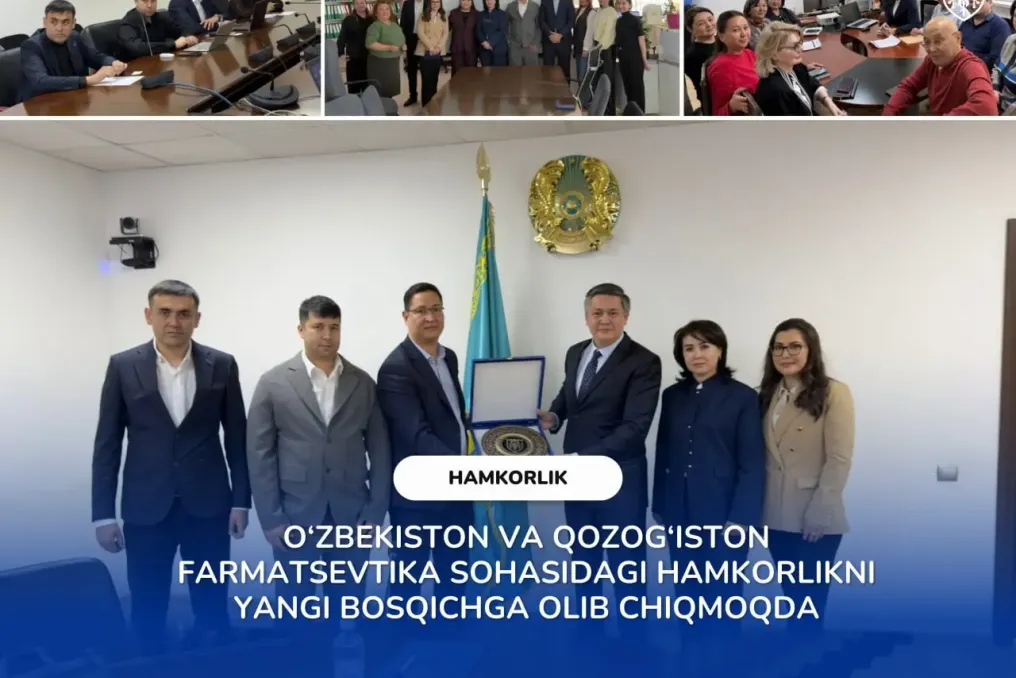
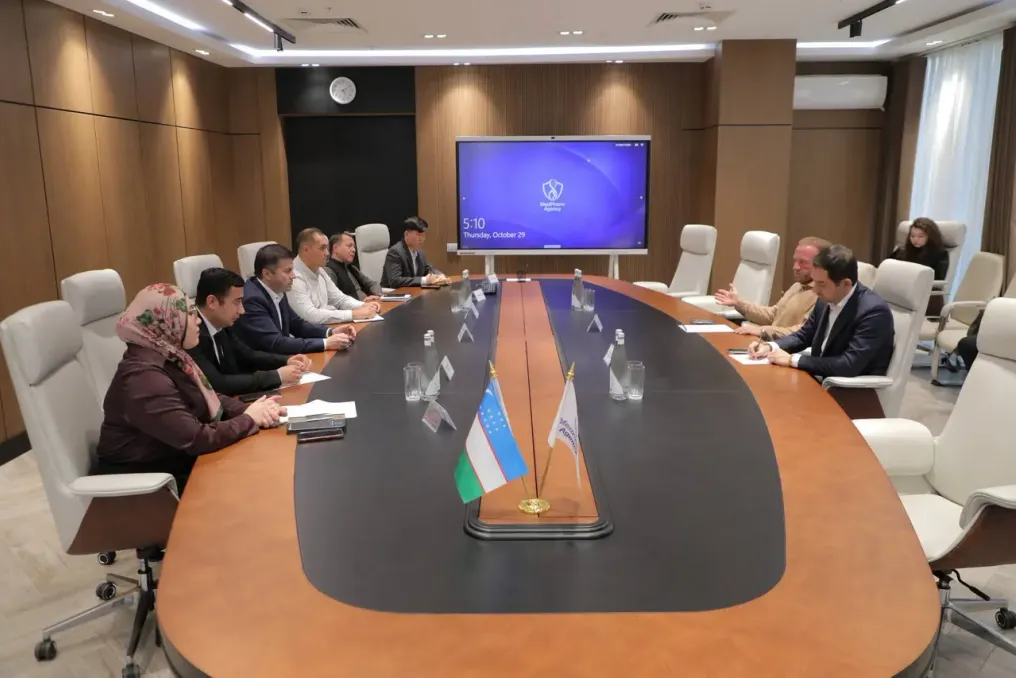
Uzbekistan is checking drug suppliers due to pharmacy complaints about forced imposition of medications
Read more
podrobno.uz

Uzbekistan is checking drug suppliers due to pharmacy complaints about forced imposition of medications

Checks have begun on medical suppliers in Uzbekistan following appeals from pharmacy chains. Complaints state that wholesale suppliers compel pharmacies to purchase additional medicines that were not originally ordered.

The Competition Committee is examining the possibility of violations and warns pharmaceutical companies that imposing additional conditions may result in financial penalties.

According to agency data, 305 companies imported medicines into the country during the first nine months of 2026. The five largest importers accounted for 47.2% of the total import volume.

The Committee also drew attention to the dynamics of pharmacy infrastructure development. As of October 1, 2026, there were 14.6 thousand pharmacies operating in the country, including 449 wholesale and over 14 thousand retail ones. There was a decrease in the number of main retail pharmacies from 8.5 thousand in 2023 to 7.9 thousand, but the number of their branches increased from 4.6 thousand to 6.2 thousand.

The agency emphasizes that the practice of imposing additional goods can negatively affect small businesses, restrict their operations, and hinder fair competition. A typical example is when a supplier offers to sell a necessary drug to a pharmacy only on the condition that it also purchases other unrequested medicines.

Legislation enshrined in the 'Competition Law' directly prohibits the abuse of dominant position. Specifically, it is unacceptable to impose additional conditions on counterparties by forcing them to buy goods unrelated to the initial transaction or refusing cooperation with this supplier's competitors.

If violations are confirmed, companies may be subject to financial sanctions. The amount of these fines can reach 5% of the revenue generated from goods sales during the period of violation, but cannot exceed the sum for the last three years.

Currently, the Competition Committee continues to study the situation in the wholesale drug trade market in detail. If it is established that the forced sale of unsolicited medicines constitutes a violation of the law, suppliers will face legal liability.

Previously, in Tashkent pharmacies, cases of selling medicines at prices significantly exceeding established maximum limits were identified during 'mystery shopper' checks.

Popular