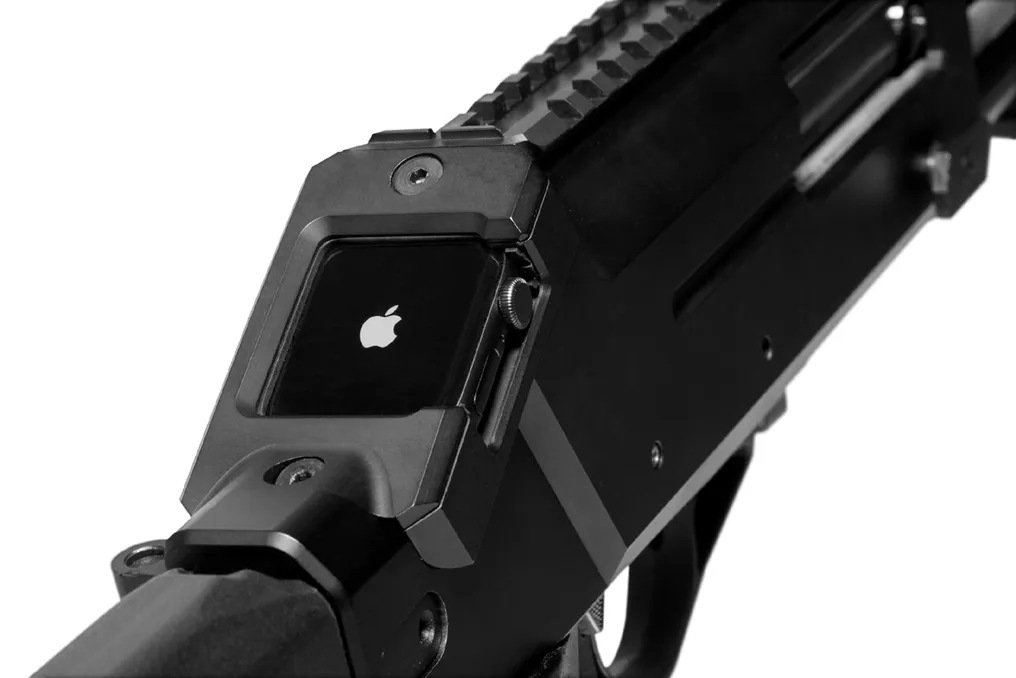
AK-47 Company to Begin Production of MP-155 Anti-Drone Shotgun in India Under License
Read more
Aaj Tak
www.aajtak.in

AK-47 Company to Begin Production of MP-155 Anti-Drone Shotgun in India Under License

The well-known Russian arms manufacturer Kalashnikov Concern has entered into a licensing agreement with an Indian partner for the local production of the MP-155 shotgun in India. This is the company that produces the AK-47. This was reported by Alan Lushnikov, CEO of Kalashnikov Concern. This agreement is considered a significant step towards strengthening defense cooperation between India and Russia.

The MP-155 was originally developed as a semi-automatic 12-gauge shotgun for hunting, but it has proven effective against low-flying unmanned aerial vehicles in modern combat zones. This shotgun was created at the Izhevsk Mechanical Plant and began mass production in 2012. It is a gas-operated semi-automatic shotgun capable of using 12/76 and 12/89 caliber cartridges.

The weight of the MP-155 is approximately from 3.15 to 3.8 kilograms, and thanks to the use of aluminum alloy, it is characterized by lightness and good balance. In addition to the standard hunting version, tactical and anti-drone modifications are available. The anti-drone version is equipped with elements such as a Picatinny rail, a red dot sight, a night vision device, and an extended magazine. When using special ammunition, it can hit small and fast drones at a distance of 50 to 100 meters.

The growing use of FPV and kamikaze drones in modern warfare makes this weapon relevant. Military personnel use it to destroy drones at close range because traditional rifles are less effective against small and fast targets, whereas shot shells cover a larger area.

Kalashnikov Concern already manufactures AK-203 assault rifles in India through the company Indo-Russian Rifles Private Limited. This factory operates with technology transfer in Amate. The licensing agreement for the MP-155 is an expansion of this cooperation. However, information about the name of the Indian partner, the place of production, volume, and timelines has not yet been disclosed. Production will be carried out with technical support from Russia, with a gradual increase in the share of local components.

This step aligns with India's policy of achieving self-sufficiency. India is working on finding both domestic and foreign solutions to counter the drone threat. Security services and armed forces are looking for inexpensive and effective means of combating drones. Weapons like the MP-155 could be useful not only for the military but also for internal security services.

Combat operations, including the conflict in Ukraine, have demonstrated that the shotgun is a practical means against drones. Special ammunition damages the rotors or body of the drone, causing it to fall. Kalashnikov adapted the MP-155 specifically for this need. The company is promoting this weapon in international markets where it may be in demand in countries like India, where the risk of drone appearance is increasing both on the borders and in cities.
Similar stories

India develops unmanned surface vessel (USV) and joins group of nations capable of creating such systems
Read more
www.aajtak.in

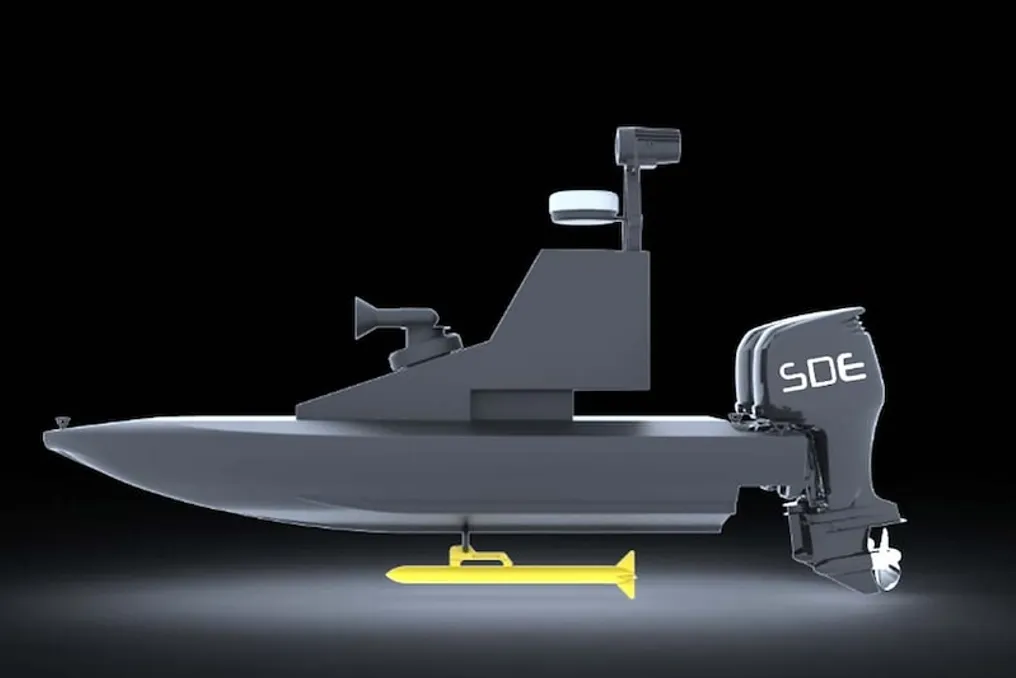
India develops unmanned surface vessel (USV) and joins group of nations capable of creating such systems

The global landscape of military methods is undergoing significant changes as unmanned systems operating from the Black Sea to the Red Sea transform naval warfare. During this period, India has achieved an important breakthrough by joining the ranks of select nations capable of producing Unmanned Surface Vessels (USVs).

These drone ships are used in conflicts such as the Russia-Ukraine conflict and in the Strait of Hormuz. This achievement is not only technological but also a major success within the 'Atmanir Bharat' (Self-Reliant India) campaign.

The Indian private defense startup Sagar Defence Engineering, based in Pune, developed this indigenous USV. The USV is an uncrewed marine vessel that operates either remotely or autonomously. According to the founder of Sagar Defence Engineering, Nikunj Parashar, this ship is specially designed to perform dangerous missions, including surveillance, reconnaissance, security provision, and asymmetric warfare. The main advantage is that operators do not have to put themselves at risk.

In modern conditions, where drones and unmanned systems dominate, the USV becomes a critically important tool for strengthening the navy. After incorporating this USV into the Indian Navy, it was first presented at the Swavalamban exhibition held in Delhi. Swavalamban is an initiative of the Indian Navy aimed at stimulating innovation and localizing production. This exhibition serves as a platform to bridge the gap between the armed forces and the ecosystem of Indian industries and startups.

The demonstration of this USV at the exhibition clearly showed that India no longer intends to rely solely on imports but is capable of independently creating advanced systems. The addition of this USV will significantly enhance the operational capabilities of the Indian Navy, particularly strengthening the potential for constant monitoring in the Indian Ocean. This step by India aligns with the global trend where navies worldwide are actively transitioning to using automated and unmanned platforms. Thus, India joins powers such as the USA, China, Israel, and the United Kingdom in this area of technology. This achievement expands not only defense security but also prospects for defense product exports.

The contribution of a private company like Sagar Defence Engineering highlights the vital role that startups can play in the defense sector. The government's 'Atmanir Bharat' campaign has provided private companies with an opportunity, and the results are already visible. In the future, even more diverse systems ready for various tasks may be created. The USV will be extremely useful for securing maritime borders, combating smuggling, and monitoring adversaries in times of military conflict.

Overall, this development sets a new direction for India's maritime power. Unmanned systems have become an integral part of the future of warfare, and India has taken its place in this race. The focus on indigenous technologies will not only reduce dependence on external supplies but also strengthen national security.

Popular