Generation Z Revives Traditional Indian Art Forms by Integrating Them into Modern Design
Read more
Aaj Tak
www.aajtak.in

Generation Z Revives Traditional Indian Art Forms by Integrating Them into Modern Design

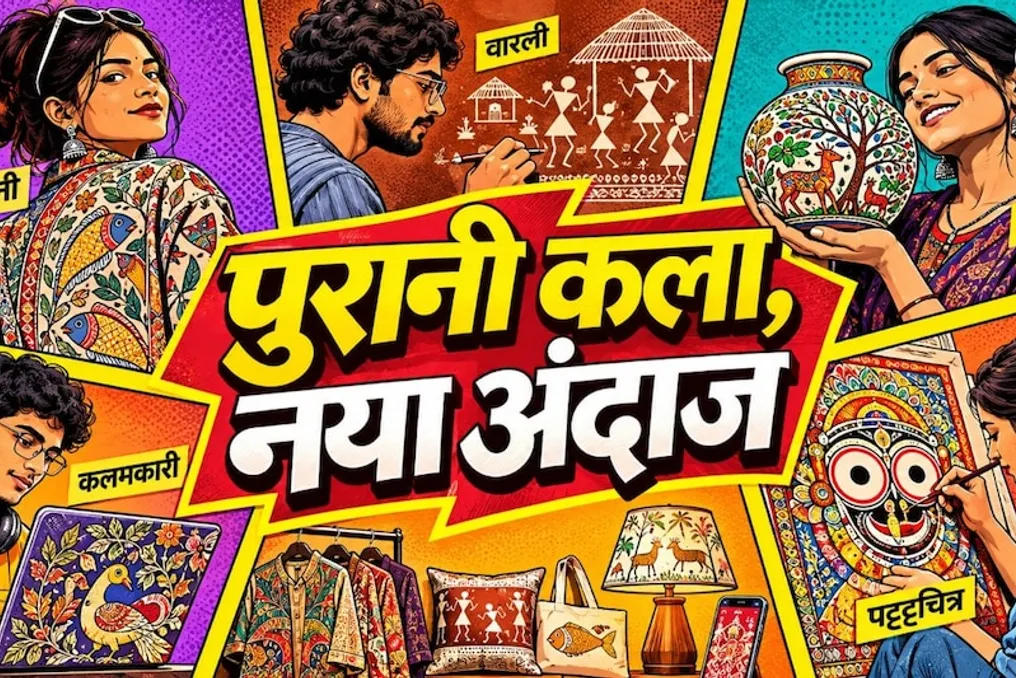
In an era where digital art, graphic design, and modern creativity are gaining popularity among Generation Z, many members of this generation are actively learning and popularizing traditional Indian art. Thanks to social media and online platforms, these ancient art forms are reaching new audiences after being adapted to modern needs.

Let's look at five such traditional art forms that Generation Z is reviving in a new format.

Madhubani painting, originating from the Mithila region in Bihar, is known for its fine detail, bright colors, and natural forms. Originally, this technique was used to decorate walls and paper; however, today young artists transfer it onto canvases, bookmarks, phone cases, clothing, and home decor items. Creators from Generation Z enrich traditional patterns with new shades and contemporary themes, linking them to current lifestyles and fashion.

Warli art, a tribal art form from the state of Maharashtra, is famous for its white geometric figures on a reddish-brown background. It depicts scenes from daily life, such as agriculture, dances, weddings, and festivals. Today, young masters use Warli designs on T-shirts, bags, walls, jewelry, and other creative products, attracting new layers of viewers to this traditional form.

Gond art, associated with the state of Madhya Pradesh, is characterized by colorful figures, small patterns, and nature-related imagery. It uniquely portrays trees, animals, birds, and folk tales. Young artists apply this technique not only on canvases and walls but also in digital illustration, posters, and home decor items, thereby giving Gond art a place in the world of modern design.

Kalamkari art, originating from Andhra Pradesh and Telangana, involves hand-painting designs onto fabric using a pen. These works depict flowers, leaves, religious stories, and mythological characters. Many contemporary designers incorporate Kalamkari prints into items such as kurtas, saris, dupattas, bags, and other fashionable accessories, thus connecting traditional Indian art with the latest fashion trends.

Pattachitra art from Odisha is renowned for its delicate painting and depictions of mythological subjects. It portrays deities like Lord Jagannath and the deeds of Krishna through vibrant colors and exquisite compositions. Contemporary artists transfer this technique onto small canvases, bookmarks, wall hangings, postcards, and decorative items, and they also spread their work globally through social media.

A New Perspective on Old Art

The growing interest of Generation Z in traditional art forms demonstrates that one does not have to abandon one's culture to be modern. Young artists combine old art forms with new design solutions, fashion, and digital platforms. This not only helps these arts gain a new identity but also provides an opportunity to promote traditional artisans and their creativity.

Similar stories

How to improve New Year's decor at home: 6 tips for more stylish garland placement
Read more
www.aajtak.in

How to improve New Year's decor at home: 6 tips for more stylish garland placement

When it comes to Diwali, the topic of decorating homes with lights is unavoidable. People actively purchase colorful bulbs and garlands for the holiday. However, the method of installation often remains the same: some simply attach the garland directly to the wall, while others wrap windows and doors with them. As a result, even expensive garlands may not give the house a particularly decorative look.

Sometimes the placement of lights looks so chaotic that instead of beauty, it spoils the overall appearance, inviting mockery from guests. If you want your guests to admire the decor of your home this Diwali, you should abandon old methods of hanging garlands. Small changes can transform ordinary lights into very stylish and attractive decor.

Firstly, instead of attaching the garland directly to the wall, you should create patterns. Instead of a simple straight line, the garland can be arranged in a zigzag, waves, or as a drape. Small hooks or transparent clips are suitable for this, which will create a beautiful design on the wall and give the room a chic look.

Secondly, change your approach to window decoration. Although hanging garlands on windows is common, proper installation can illuminate the entire room. The garland should be placed around the window like a frame. You can also add cascading fairy lights from above. This will make the window very beautiful and allow soft light to fill the room at night.

Thirdly, decorate the entrance door with flowers along with the garlands. Instead of just hanging a garland on the main entrance, it should be decorated with carnations and tuberose. The light should be placed on the sides and above the door. Adding floral garlands will give the decor both a traditional and modern touch, making the entrance very attractive.

Fourthly, avoid placing all garlands in one spot. When all the lights are concentrated in one point, one part of the house will be excessively bright, while other areas will remain empty. It is better to distribute the lights across different zones: some on the balcony, some near the windows, and some in the living room. This will ensure balanced lighting throughout the house and make the decor more harmonious.

Fifthly, change the way you decorate the balcony. Instead of just wrapping the railing with a garland, it can be hung from top to bottom. Besides the railing, light can be placed on the ceiling and in the corners of the balcony. If there are plants on the balcony, you can use light fairy lights around them. Even a small balcony can become very beautiful.

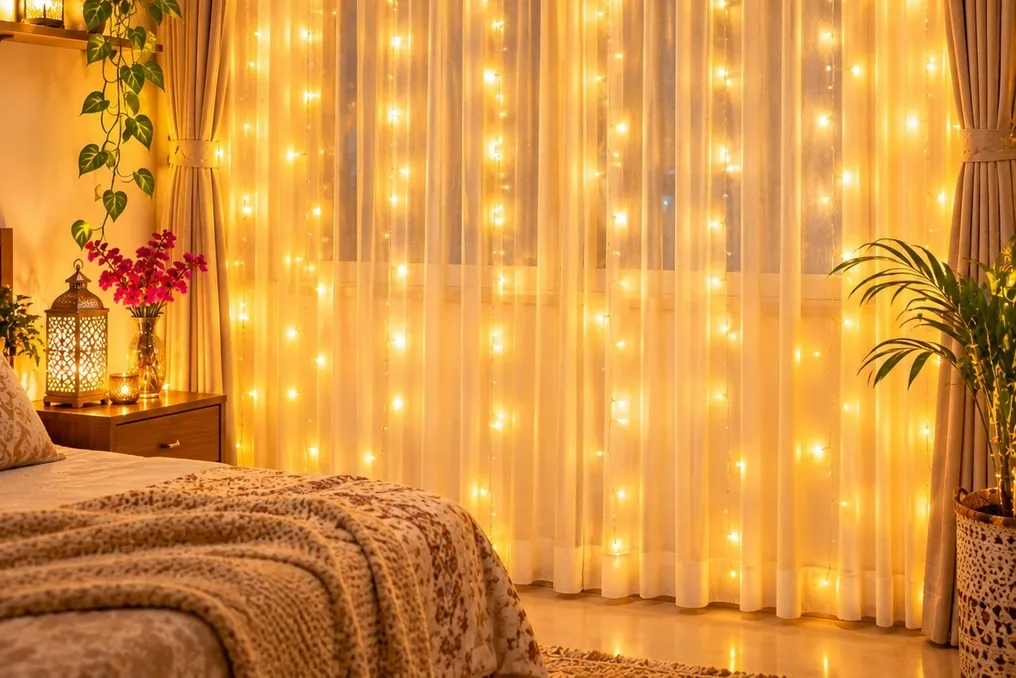
Finally, the sixth tip is to place garlands behind curtains. If your home has light or semi-transparent curtains, placing the lights behind them is an excellent idea. The light passing through the fabric will make the room incredibly beautiful, and you won't need to buy expensive additional decorations for this.

When installing garlands, it is also important to observe some minor rules. First of all, you must carefully check the wires and plugs of the lighting fixtures. Electric garlands should be kept away from moisture and dampness. It is strictly forbidden to connect lights to each other or use garlands with damaged wires or broken plugs. Reliable and safe hooks should be used for hanging garlands.

In conclusion, this Diwali, you shouldn't spend money only on buying expensive garlands; it is important to change the way they are installed. With some planning and these simple tricks, you can give old lights a new look and make your home decoration special.

Gen Z Consumers are Shaping India's Beauty Market, Focusing on Prevention and Expanding Reach Beyond Major Cities
Read more
yourstory.com

Gen Z Consumers are Shaping India's Beauty Market, Focusing on Prevention and Expanding Reach Beyond Major Cities

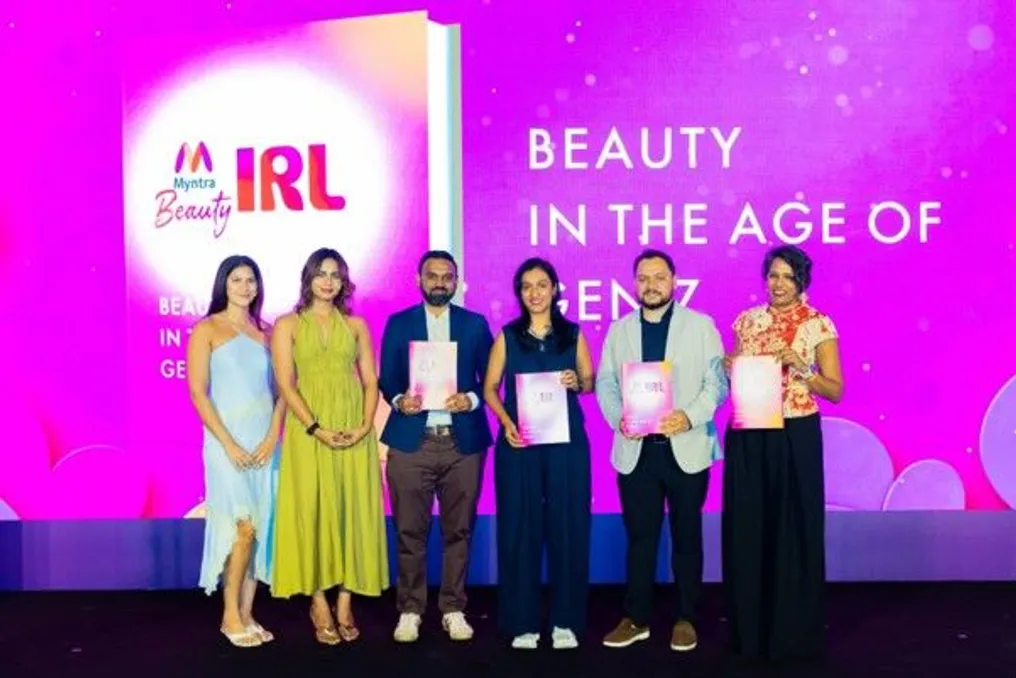
Generation Z is transforming the approach to beauty product purchases in India, viewing cosmetics as an integral part of daily self-expression. This consumer group focuses on skin protection before correction, prefers premium brands in miniature formats, and actively buys products outside of metropolitan areas. These findings are presented in the new report 'Beauty in the Gen Z Era,' released by Myntra, which indicates that this generation prioritizes product composition over marketing hype.

Both Gen Z and Millennials contribute to the growth of the beauty and personal hygiene category on Myntra, with Gen Z's spending share in this category exceeding that of Millennials by 75%. Self-expression is a priority for this generation, and cosmetics are one of the most obvious ways to manifest it. Gen Z's spending on beauty and personal hygiene products on Myntra has increased by 1.2 times compared to the previous year, against the backdrop of the platform's rapidly growing customer base. Notably, half of Gen Z cosmetic buyers on Myntra reside in second and third-tier cities.

Gen Z buyers show a 60% year-on-year increase in demand for sun protection (SPF) products. Furthermore, 53% of luxury cosmetic orders on Myntra now include miniatures.

Gen Z's Approach to Skincare

Dipak Joshi, Senior Director of Beauty and Personal Care at Myntra, noted that 'this is a skin-oriented generation. Gen Z does not use brand names as a substitute for trust. They want to understand what is in the product and how it will affect their skin. They strive to maintain short routines and choose what works, acting proactively to prevent damage rather than fixing it later. That is why sun protection has stopped being a seasonal purchase for them; it has become an annual habit.'

According to industry estimates from Redseer, the industry shaped by Gen Z is expected to grow from approximately $23 billion to $40 billion. However, only about $15 is spent per capita on beauty in India, compared to $38 in China and $383 in the US.

Myntra Leadership's View

Sharon Price, Head of Myntra, emphasized that 'beauty and personal care are one of the strongest growth drivers for Myntra. For Gen Z, beauty is self-expression. It is how they present themselves, plan their look, and live their social lives. They try premium and international brands through miniatures, discover new ones through content creators and K-Beauty, and make choices based on composition and efficacy, in cities across the country. Brands that succeed must meet these buyers early, simplify the process of discovering new products, and earn trust through the product and its ingredients.'

Miniatures and Content Creators

Miniatures account for 14% of the volume of luxury units sold, with lipsticks, perfumes, and face primers leading in popularity. Over half of new customers of brands like M.A.C, Kayali, Smashbox, and Salvatore Ferragamo come through miniatures. Video content has become the primary way for Gen Z to search for cosmetics. Myntra hosts about 82,000 active beauty content creators; user-generated content (UGC) in this area has grown by 40% year-on-year, and nearly two-thirds of new content creator registrations in the last four months belong to Gen Z representatives.

Purchases Outside Megacities

Gen Z shopping carts in second and third-tier cities include serums, toners, sunscreens, and hair masks, alongside everyday items. These cities account for half of the international demand for cosmetics on the platform. Among the cities driving growth are Ludhiana, Patna, Bhopal, Indore, Guwahati, Surat, Varanasi, and Imphal.

Prevention, Ingredients, and K-Beauty

Sun protection has become an all-year habit among Gen Z buyers: searches for SPF sprays have increased by 80%, for ingredient-focused sunscreens by 70%, and for tinted sunscreens by 60%. Gel textures without fragrances and that do not leave a greasy film are in demand. Gen Z actively seeks components such as centella asiatica, copper peptides, azelaic acid, and panthenol.

Demand for K-Beauty has grown by 200% year-on-year, and search queries have increased by over 300%. Myntra currently offers over 1000 SKUs from more than 90 K-Beauty brands, with over 30 added in the last year. Hair mask sales have increased by 110%, compared to a 59% rise in conditioners, and men's cosmetic orders have increased by 78% year-on-year, driven by Gen Z.

Repeat Purchases

Gen Z repeat orders on Myntra have increased by approximately 70% this year. Often, a repeat cosmetic buyer is also a repeat apparel buyer. Cosmetics, which constitute about 1 out of every 5 items ordered on Myntra, are growing twice as fast as the online cosmetics market and attracted almost half a million new customers just in May 2026. Myntra offers about 250 thousand styles from over 4500 brands, including more than 360 international ones. The virtual try-on feature doubles the likelihood of purchase for buyers, and the Skin Analyzer increases conversion by approximately 58%. The M-Now service offers about 600 brands with delivery in just nine minutes.

Support for Indian Brands

Myntra features 700 purely D2C cosmetic brands and 3000 new D2C names, with the D2C sector in cosmetics growing by 68% by FY26. Among the brands contributing to this growth are Plum, Minimalist, Foxtale, The Derma Co., and Chemist at Play. Gen Z is 25% more likely to try local or D2C brands. Both Gen Z and Millennials support these brands, with Gen Z being among the fastest adopters.

Development Strategy

Dipesh Jain, Vice President of Marketing at Myntra, added: 'Gen Z doesn't search to buy; they scroll through the feed to discover something new. This changes everything for us—from the platform's user experience to the brands we attract, and what happens after the purchase. Marketing at Myntra has always been focused on following the customer. We opened our content creator ecosystem so that anyone with a community can talk about the products they believe in. Trends emerge organically, and we do not try to create them.'

The Gen Z wishlist already points to future trends, including lactic acid, transaminase acid, and hybrid foundation with SPF. Myntra's focus is shifting towards scaling and market share, improving pre- and post-purchase experience, strengthening the ecosystem through Myntra GlamStream, and maintaining momentum in the D2C, luxury, international cosmetics, non-metropolitan regions, and first-time online cosmetic buyer segments.

This report was presented at the Myntra Beauty IRL event in Mumbai during a panel discussion on the new Indian beauty consumer. It is based on the company's platform data, buyer behavior, and search trends for the period from August 2025 to August 2026, covering Gen Z buyers.
Gen Z preferences are changing the approach to home decor, and how they get ideas
Read more
www.aajtak.in

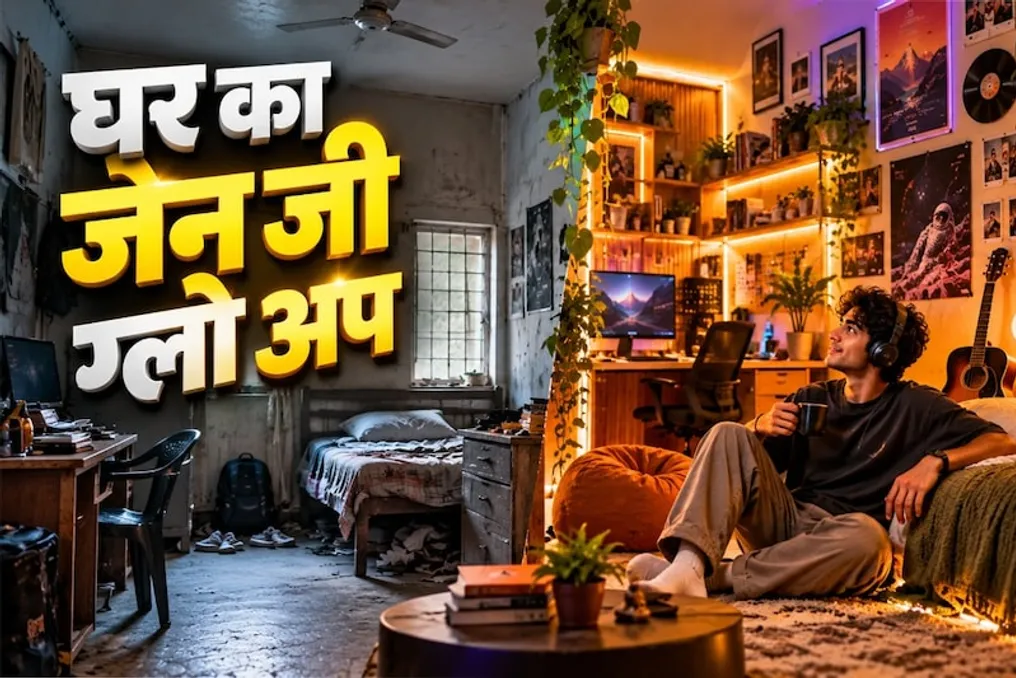
Gen Z preferences are changing the approach to home decor, and how they get ideas

Changes are being observed in the methods of acquiring and improving housing in India. Young people now consider their personal preferences, needs, and lifestyle when choosing items for the home. According to a Deloitte report from September 2026, the average age of first-time homebuyers has decreased from approximately 40 years to the early 30s.

Social media has become an important channel for obtaining home decoration ideas. According to Deloitte, about 80% of buyers learn about home and household goods through social media. Furthermore, every third customer notes that brands' video content influences their purchasing decision.

This influence is particularly noticeable among young people. The report shows that about 57% of people aged 18 to 28 draw ideas for home goods from content creators and influencers, compared to 27% among people aged 45–60.

Consumers can now see an idea for a sofa, lighting, or kitchen on social media, then gather additional information online, compare different options, and subsequently make a purchase in a store.

For Generation Z, personal preferences are gaining significance when choosing home goods. According to a Deloitte survey, about 35% of people aged 18 to 28 link home improvement to self-expression. Among the 45–60 age group, 26% share this view.

In the report, homeowners are divided into four categories. 39% prioritize the functionality of home items. 34% prefer to decorate their homes according to their taste and lifestyle. Additionally, 21% prefer smart-tech homes, while 6% constantly update and modernize their residences. These preferences are diverse, encompassing practicality, design, technology, and frequent changes in environment.

Attention is also paid to small changes within the home. Home renovation is no longer a one-time process. The report indicates that young people are interested in furniture that can be used in various ways. The use of technology in the home is also growing.

Moreover, attention is drawn to changes in the appearance of the home by replacing elements such as curtains, carpets, pillows, and sheets. The trend of choosing furniture and home goods that meet needs is part of these transformations.

Deloitte predicts that the home and household goods market in India could grow by 1.6 times over the next five years. According to the report, this market could reach $260 billion by 2030. Increased demand for higher quality and premium goods, the trend of frequent changes in home environment, and growing aspirations not only in major cities but also in other regions may contribute to this growth.

Popular