Real estate demand is growing in Delhi-NCR and other cities, with $4.5 billion in investments expected
Read more
Aaj Tak
www.aajtak.in

Real estate demand is growing in Delhi-NCR and other cities, with $4.5 billion in investments expected

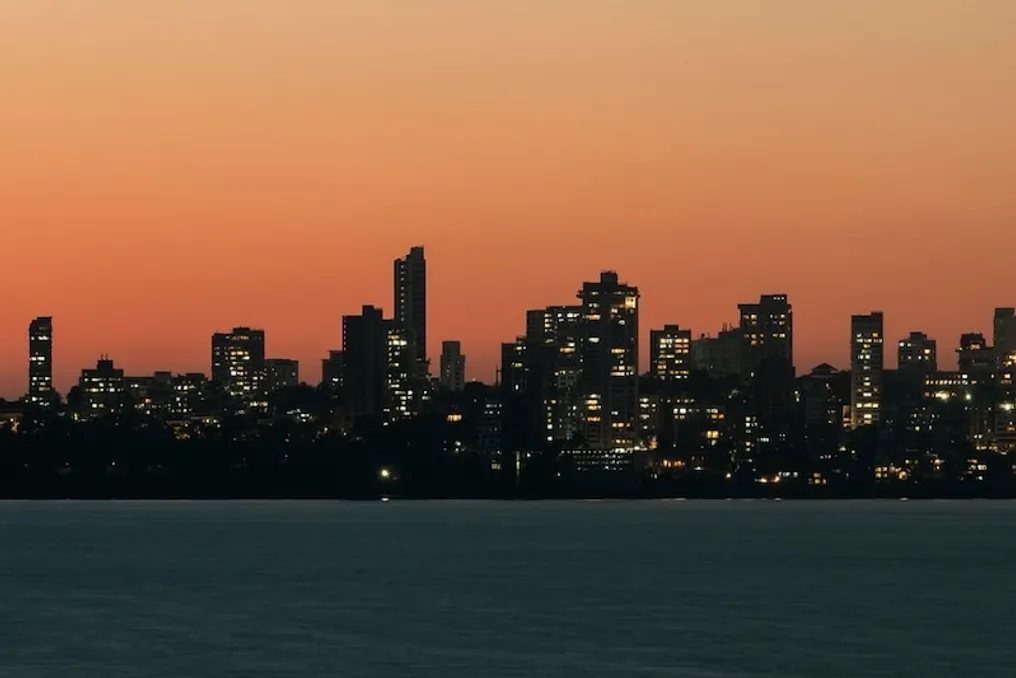
The Indian real estate market is showing positive momentum towards the end of 2026. The market is strengthening due to sustained demand for residential properties, growing leasing of commercial office spaces, and increased institutional investments. Residential sales and new project launches are expected to gain momentum during the festive season.

Nevertheless, the real estate sector faces certain challenges related to rising housing prices, the purchasing power of ordinary citizens, and increasing construction costs.

According to a Savills India report, in the first nine months of 2026, the total leased office space in six major cities in the country reached 60.7 million square feet, which is 6% more compared to the same period last year. Demand for office space is supported by the growth of Global Capability Centers (GCCs), technology companies, and financial institutions.

Arvind Nandan, Managing Director (Research and Consulting) at Savills India, notes that the Indian real estate market is confidently developing towards the end of 2026, driven by stable residential demand, consistent demand for office space, and growth in institutional investments.

The report also indicates that the share of GCCs in the total office lease volume in 2026 was 30%. This positions India as a major business and technology hub for global corporations. Demand for office space remains high in Bangalore, Hyderabad, and Delhi-NCR due to strong business infrastructure and improving connectivity in these regions.

Regarding investment activity, the picture is also encouraging. According to Savills India, private investments in Indian real estate from January to September 2026 amounted to $4.5 billion, a 16% increase over the same period last year. Investor interest is growing not only in residential and office properties but also in sectors such as industry, logistics, hospitality, and data centers.

Demand for warehouse and industrial properties is also increasing amid the growth of manufacturing, e-commerce, and supply chain activities.

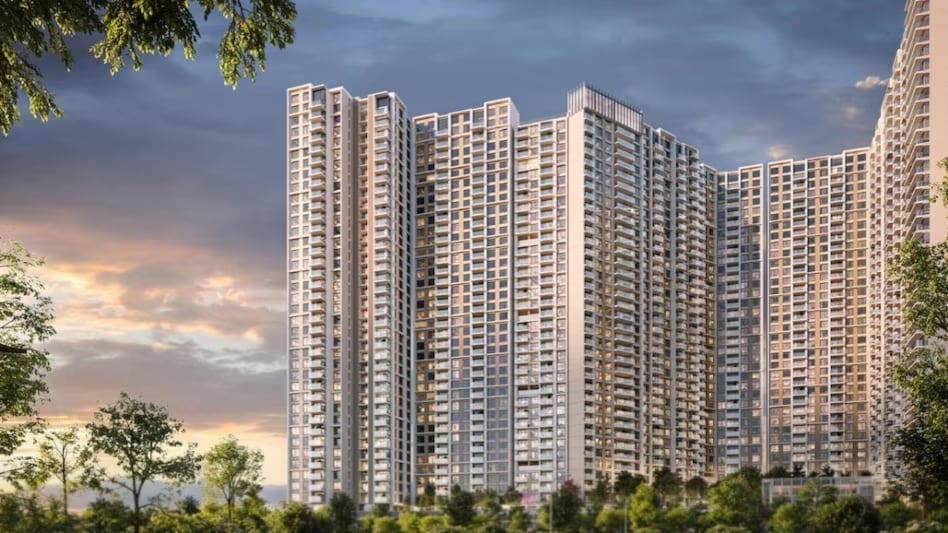
In the residential real estate market, there remains high demand for elite and luxury housing in the regions of Mumbai, Bangalore, Hyderabad, and Delhi-NCR. Ahead of the festive season, developers are offering special promotions, flexible payment plans, and new projects to attract customers.

Yashank Vasan, Managing Director of Royal Green Realty, emphasizes that the festive season plays a key role in building trust and driving housing purchase decisions. He also points to the growing potential in second-tier emerging markets such as Sonipat, Bahadurgarh, and Rohtak, noting increased interest in land-based projects.

Rupam Dey, Head of Marketing Communications and Branding at Hubtown Limited, concludes that thanks to buyer demand, commercial space leasing, and institutional investments, the prospects for the real estate market remain positive.
Similar stories

Uttar Pradesh Real Estate Regulator Approves 17 Projects Worth ₹4.844 Billion in Eight Cities
Read more
www.aajtak.in

Uttar Pradesh Real Estate Regulator Approves 17 Projects Worth ₹4.844 Billion in Eight Cities

Good news for the real estate sector in Uttar Pradesh ahead of the Diwali festival. The Uttar Pradesh Real Estate Regulatory Authority (UP RERA) has approved seventeen projects across eight districts of the state, with a total investment value of ₹4.844 billion. These projects involve the construction of over 5,726 residential and commercial units, which will boost real estate activity and provide new options for homebuyers.

According to a statement released by UP RERA on Tuesday, these projects were sanctioned during the 217th, 218th, and 219th meetings of the body, held at the regulator's headquarters. The eight districts that received approval include Lucknow, Ghaziabad, Gautam Buddha Nagar, Kanpur, Meerut, Ayodhya, Firozabad, and Moradabad.

The largest share of these projects is concentrated in the capital, Lucknow, where nine projects were approved. Among them are six residential, one mixed-use, and two commercial projects. The total estimated investment in Lucknow amounts to approximately ₹2.203.27 billion and will facilitate the construction of 3,031 units.

In Ghaziabad, two residential projects were approved with an investment of ₹943.28 billion, slated to build 1,016 units. In Gautam Buddha Nagar, one mixed-use project valued at ₹940.43 billion was sanctioned, ensuring the creation of 456 units.

As for the other districts, one residential project worth ₹524.66 billion was approved in Kanpur, planning the development of 597 units. A project worth ₹194.28 billion was sanctioned in Meerut, encompassing 313 units.

Furthermore, residential projects were also approved in Ayodhya, Firozabad, and Moradabad. Ayodhya plans to construct 159 units with an investment of ₹26.61 billion; Firozabad plans for 48 units with an investment of ₹10.87 billion; and Moradabad plans for 12 units with an investment of ₹1.03 billion.

The Chairman of UP RERA, Sanjay Bhusreddi, emphasized the critical importance of timely consideration of project proposals and regular monitoring of their implementation to ensure all projects proceed according to schedule. He noted that the regulator's goal is to provide homebuyers with a safe and reliable environment while guaranteeing that builders and developers operate in accordance with established regulations.

Over 100 thousand homes sold in seven cities, but unsold real estate inventory continues to grow
Read more
www.aajtak.in

Over 100 thousand homes sold in seven cities, but unsold real estate inventory continues to grow

Signs of recovery are being observed in the country's key real estate market. Between July and September 2026, over one hundred thousand residential units were sold in seven major cities. At the same time, the number of new projects and the overall supply in the market increased during this period. This situation presents a challenge for the market in maintaining a balance between supply and demand. For potential buyers, this means having more choice, but constantly rising prices put pressure on budgets.

According to the 'ANAROCK' report on the housing market in the third quarter of 2026, approximately 100,200 apartments were sold in the seven main cities. This figure exceeds the sales volume of the previous quarter by 10% and is 3% higher than in the same period last year. The total value of all sold homes amounted to approximately 1.55 lakh crore rupees.

Return of Buyers Stimulates Sales

The report indicates that many buyers who had postponed their purchase decision in the previous quarter returned to the market in the third quarter, giving an impetus to sales in the seven key cities. Nevertheless, the sales growth of only 3% year-on-year suggests that the market is in a stage of improvement, but calling it a significant boom is premature.

Increase in Affordable Housing Supply

In the third quarter, developers also increased the pace of launching new projects: about 114,300 new homes were released onto the market, which is 18% more than in the same quarter last year. Changes also occurred in the price structure of new homes. The share of housing priced under 40 lakh rupees increased to 14%, while the share of homes priced above 2.5 crore rupees decreased from 22% to 14%. This suggests that developers have begun to consider the needs of buyers with smaller budgets, in addition to the premium segment. However, the real benefit for ordinary buyers will depend on the actual availability and location of these homes.

Rising Housing Prices Amid Increased Supply

Despite the increase in new housing supply, property prices are not showing a decline. According to ANAROCK, the average price of a home in the seven major cities reached 9,714 rupees per square foot. This represents a 7% increase compared to last year and a 1% increase compared to the previous quarter. Thus, buyers are presented with more options, but the cost of acquiring housing is increasing. Therefore, buyers should make decisions based not only on advertised prices but also by including costs for registration, taxes, finishing, and mortgage interest in their budget.

Growth in Unsold Real Estate Inventory, Greatest Pressure in Hyderabad

According to the report, the total number of homes available for sale in the seven cities increased by 12% year-on-year, reaching approximately 630,600 units. Meanwhile, the overall surplus inventory (inventory overhang) remains at about 19 months. This means that if current sales rates are maintained, selling the existing stock may take about 19 months. Hyderabad stands out among the others: the inventory overhang there is 28 months, implying that at the current sales speed, housing may sell for about 28 months. This situation requires more attention to sales rates compared to the rate of new housing input. Although a large inventory does not guarantee a drop in prices across all projects, in such markets, buyers may have the opportunity to negotiate better terms with developers by comparing the prices and features of different projects.

Record prices for luxury real estate recorded in Mumbai: one house valued at 152 crore rupees
Read more
www.aajtak.in

Record prices for luxury real estate recorded in Mumbai: one house valued at 152 crore rupees

The luxury real estate market in Mumbai is witnessing a new record for the sale of expensive houses. In one residential complex, the average cost of a house reached 152 crore rupees. This project is called Naman Xana and is located in the Versova area of Mumbai.

In the first half of the 2026-27 financial year, specifically from April to September 2026, three houses were sold in this project for a total of 456 crore rupees. Thanks to this, Naman Xana ranked first among the ten best luxury residential projects in Mumbai by the average price per house.

According to the Lighthouse Luxury report, this analysis is based on property registration data, specifically statistics from the Chief Inspector of Registration of Maharashtra (IGR). The report indicates that demand for luxury homes in prestigious areas of Mumbai remains strong, with prices in some selected projects reaching very high levels.

Although Naman Xana led in the average price per house, Godrej Trilogy Seafront won the category of total sales volume. In this project, also located in Versova, 54 houses were sold from April to September 2026, totaling 1,199 crore rupees. The average price per house here was approximately 22.2 crore rupees.

Oberoi Elysian ranked second in this list. Over the six-month period, 67 houses were registered for a total of 899 crore rupees, while Rustomjee Crown saw 51 houses sold for a total of 622 crore rupees.

Prestige Nautilus also entered the list of luxury residential projects in Mumbai. From April to September 2026, 18 houses were sold there for a total of 571 crore rupees, corresponding to an average price of about 31.7 crore rupees, and ranked second in the rating by average cost.

Lodha The Park registered the highest number of sales—76 houses, totaling 563 crore rupees, with an average house price of about 7.4 crore rupees. In Runwal Raaya, 36 houses were sold during the same period for a total of 550 crore rupees.

According to the report, a total of 496 houses were sold across the top 10 luxury residential projects in Mumbai over six months. The total value of these transactions reached 6,116 crore rupees. The project ranking was based on the total value of registered transactions, not the number of houses.

The statistics clearly demonstrate significant differences in prices between various projects in the Mumbai luxury real estate market. While the average price per house in Naman Xana was 152 crore rupees, in Godrej Reserve, this figure was significantly lower—around 5.7 crore rupees.

Popular