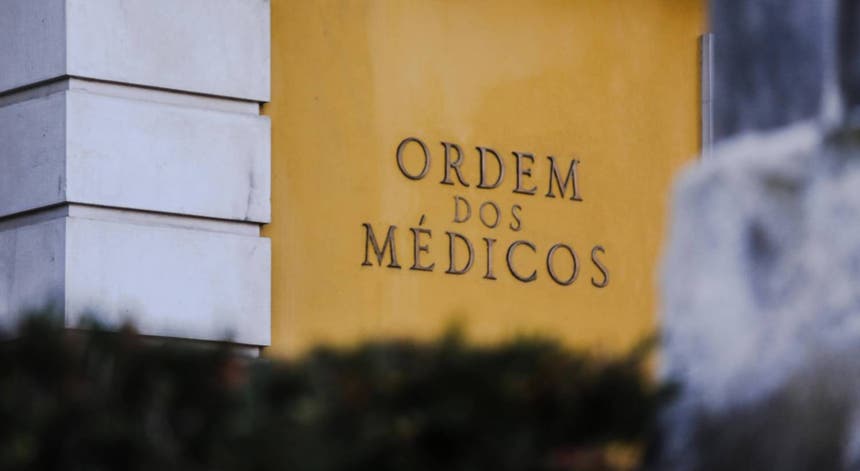
The Medical Association expressed great apprehension regarding a potential cut in care provided to hospitalized patients, resulting from the implementation of new guidelines concerning the diversion of doctors from inpatient services to emergency departments.
In an official statement, the Medical Association argued that transferring medical resources from sectors monitoring hospitalized patients to cover deficits in external emergency rooms does not represent an effective solution. This situation is motivated by a decree issued by the Ministry of Health, published on Thursday in the Official Gazette, which requires internal hospital emergency room doctors to provide support to external emergency rooms during periods of high pressure.
These new directives from the Ministry of Health aim to address emergency room service issues, specifically long waiting times. The Medical Association lamented that a determination with a direct impact on safety and hospital structure was made without adequate prior consultation with both the institution and the doctors themselves.
Additionally, it was emphasized that such decisions require meticulous planning, a deep understanding of the operational reality of the services, and a clear assessment of clinical and organizational implications—aspects that, according to the Association, the aforementioned decree lacks.
The Medical Association stressed that a patient's inpatient status does not diminish the criticality or severity of a deterioration in their clinical condition. It was recalled that internal emergency rooms already face significant assistance overload and lack the necessary reinforcement of means.
Carlos Cortes, spokesperson for the Association, stated that it is impossible to solve one problem by generating another, which could be even more serious. He warned that moving doctors to the external emergency room reduces the capacity to monitor frequently vulnerable patients who have complex clinical conditions and require constant vigilance.
The Independent Doctors' Union (SIM) also expressed 'deep concern' with Minister Ana Paula Martins' dispatch, considering it 'particularly censurable' that an incentive system created to reward extra effort from doctors could be used to justify the accumulation of care responsibilities.
The SIM guaranteed that it would not accept internal emergency room doctors becoming a permanent reserve of professionals to compensate for staff shortages in external emergency rooms, which would jeopardize the safety of hospitalized patients. The union emphasized that a ministerial decree cannot annul the law or disregard rights established in collective bargaining.
The Ministry of Health decree came into effect this Friday and establishes the principles of articulation and organization between internal and external emergency rooms in National Health Service hospitals. This follows the financial incentives created to compensate doctors who work beyond the annual limit of supplementary hours.
These remuneration incentives were instituted in June of this year to ensure the normal functioning of emergency services, but internal emergency room doctors were included later, via a new decree published in August. Hospital boards of directors have a period of 60 days to approve or adjust their internal procedures in accordance with the standards defined in this dispatch.